
Best Time to Visit India for Foreign Tourists
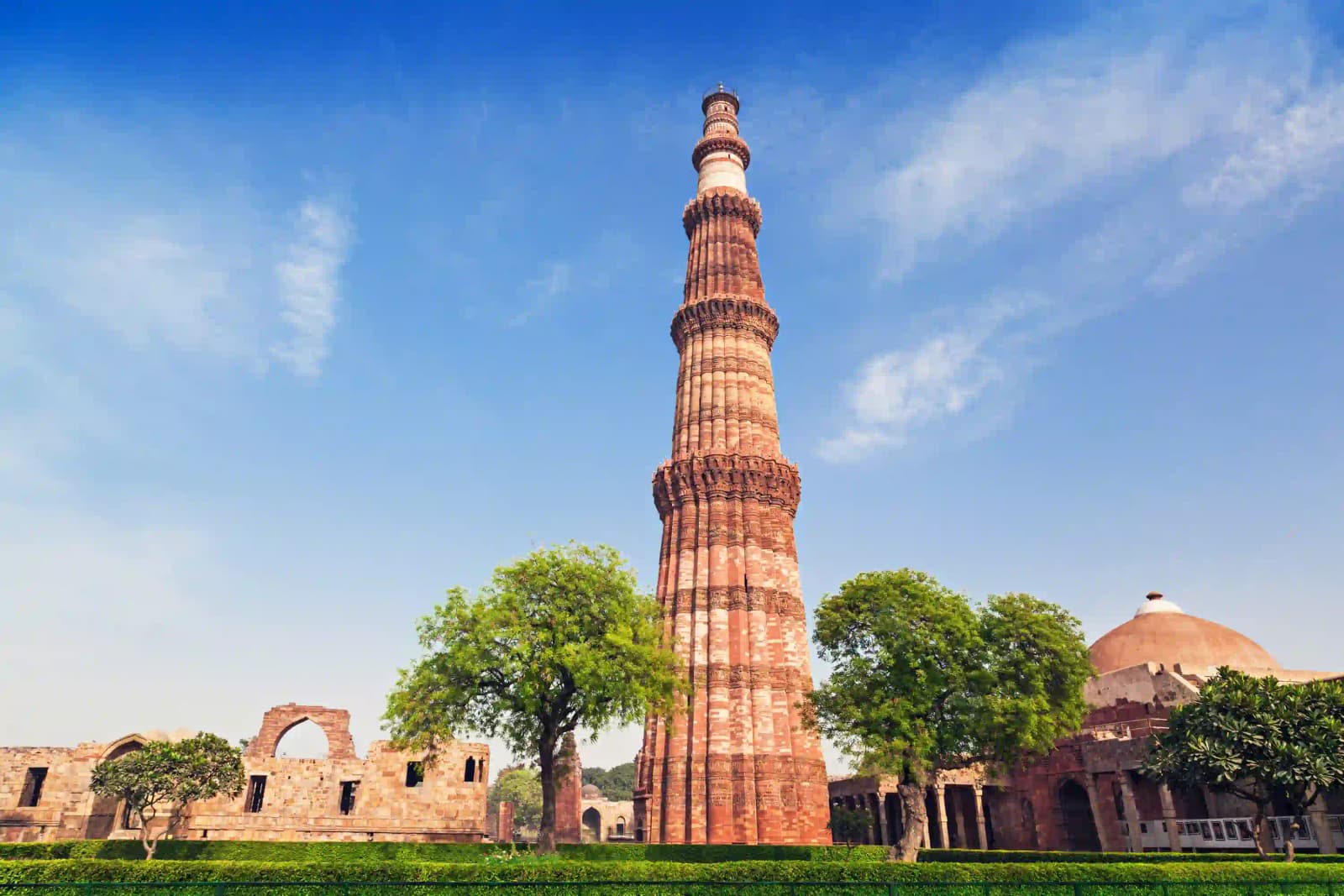
Best Time to Visit India for Foreign Tourists
Understanding India’s Diverse Climate Before You Travel
India is one of the most extraordinary travel destinations in the world. Its vast landscapes, rich cultural heritage, colorful festivals, historical monuments, and breathtaking natural beauty attract millions of international visitors every year. From the snow-covered peaks of the Himalayas to the tropical beaches of Goa and Kerala, India offers an incredible range of experiences. However, because of its massive geographical size and climatic diversity, choosing the Best Time to Visit India is essential for planning a successful and enjoyable journey.
Unlike smaller countries with relatively uniform weather patterns, India experiences multiple climate zones. While one part of the country may be enjoying cool winter breezes, another may be experiencing intense summer heat or heavy monsoon rains. This diversity means there is no single universal season that suits all destinations. Instead, the Best Time to Visit India depends largely on which regions you plan to explore and what type of experiences you seek.
For foreign tourists, understanding India’s seasons can make a significant difference in comfort, sightseeing opportunities, and overall travel enjoyment. Choosing the right travel period helps avoid extreme weather, ensures easier transportation, and allows visitors to experience local festivals and events.
Whether your dream includes exploring Rajasthan’s palaces, witnessing the Taj Mahal at sunrise, trekking through the Himalayas, or relaxing in Kerala’s backwaters, timing your visit correctly can transform your trip into an unforgettable adventure.
India’s Main Travel Seasons
India experiences three primary travel seasons:
- Winter (October to March)
- Summer (April to June)
- Monsoon (July to September)
Each season offers unique opportunities depending on your destination.
Understanding these seasons is the first step toward identifying the Best Time to Visit India for your specific itinerary.
Winter Season: October to March
For most international tourists, winter is widely considered the Best Time to Visit India.
During these months, temperatures are generally pleasant across most parts of the country, making sightseeing comfortable and enjoyable.
Weather Conditions
In northern and central India, daytime temperatures typically range between 10°C and 25°C (50°F to 77°F).
Southern India remains warmer, averaging between 20°C and 30°C (68°F to 86°F), which is ideal for beach holidays and cultural exploration.
The weather is usually dry, skies are clear, and humidity is relatively low.
Why Winter Is Ideal
Winter offers excellent conditions for:
- Historical sightseeing
- Wildlife safaris
- Cultural tours
- Desert exploration
- River cruises
- Beach vacations
Many of India’s most iconic attractions are best experienced during this period.
Best Winter Destinations
Delhi, Agra, and Jaipur
The Golden Triangle is especially enjoyable in winter.
Walking through Delhi’s historical sites, exploring Agra Fort, and visiting Jaipur’s palaces is far more comfortable in cooler weather.
Rajasthan
Cities like Udaipur, Jodhpur, Jaisalmer, and Jaipur experience ideal temperatures.
Desert safaris become magical under crisp winter evenings.
Kerala
Winter is excellent for houseboat cruises and Ayurvedic retreats.
Goa
Sunny skies and pleasant temperatures make it peak beach season.
Varanasi
The spiritual atmosphere is especially captivating during cool mornings.
Because of these advantages, many travelers consider winter the Best Time to Visit India for a first trip.
Summer Season: April to June
Summer in India can be intense, especially in northern plains and central regions.
Temperatures often exceed 40°C (104°F) in cities such as Delhi, Agra, and Jaipur.
However, this does not mean summer should be avoided entirely.
The Best Time to Visit India for certain destinations can actually be during these warmer months.
Why Summer Can Still Be Great
India’s hill stations and mountain regions offer cooler escapes.
Summer is also considered shoulder season in many areas, which means:
- Lower hotel prices
- Fewer crowds
- Better travel deals
Best Summer Destinations
Himachal Pradesh
Shimla, Manali, and Dharamshala offer refreshing mountain climates.
Uttarakhand
Destinations like Nainital, Mussoorie, and Rishikesh are pleasant.
Ladakh
Summer is the ideal season for visiting Ladakh, as roads become accessible.
Darjeeling and Sikkim
These eastern Himalayan destinations offer beautiful weather and lush landscapes.
For adventure lovers, summer may actually be the Best Time to Visit India, especially for trekking and mountain exploration.
Monsoon Season: July to September
Monsoon transforms India dramatically.
Heavy rains sweep across much of the country, creating lush greenery and cooler temperatures.
For some travelers, monsoon offers a unique and romantic perspective on India.
Challenges of Monsoon Travel
Potential drawbacks include:
- Transportation delays
- Flooded roads in some regions
- Limited outdoor activities
- High humidity
Despite these challenges, monsoon has its own charm.
Why Some Travelers Love Monsoon
The landscapes become incredibly vibrant.
Tourist crowds are smaller.
Hotels often offer significant discounts.
The atmosphere feels peaceful and refreshing.
Best Monsoon Destinations
Kerala
The rain enhances Kerala’s beauty.
Monsoon is also considered ideal for Ayurvedic treatments.
Goa
Quieter beaches and dramatic coastal scenery create a different experience.
Western Ghats
Destinations like Munnar and Coorg become lush green paradises.
For travelers seeking tranquility and scenic beauty, monsoon can be the Best Time to Visit India.
Best Time for Popular Tourist Circuits
Choosing the Best Time to Visit India depends heavily on your planned route.
Golden Triangle
Best months:
October to March
Pleasant temperatures make monument visits enjoyable.
Rajasthan Heritage Tour
Best months:
November to February
Cool desert nights and comfortable days.
Kerala Backwaters
Best months:
November to February
Ideal weather for cruising and wellness retreats.
Himalayan Adventure Tours
Best months:
April to June and September to October
Clear skies and accessible trails.
Goa Beach Holidays
Best months:
November to February
Perfect beach weather and vibrant nightlife.
Best Time for Indian Festivals
Many international tourists plan their trips around India’s spectacular festivals.
Experiencing these celebrations adds extraordinary cultural depth.
Diwali
Usually October or November
India glows with lights, fireworks, and celebrations.
Holi
Usually March
The famous Festival of Colors creates joyful nationwide celebrations.
Pushkar Camel Fair
Usually November
A fascinating cultural event in Rajasthan.
Durga Puja
Usually September or October
West Bengal hosts grand artistic festivities.
Festival timing can influence the Best Time to Visit India, especially for culturally focused travelers.
Budget Considerations by Season
Travel costs vary significantly depending on the season.
Peak Season (October to March)
Higher prices for:
- Flights
- Hotels
- Popular tours
Shoulder Season (April and September)
Balanced weather and moderate pricing.
Off-Season (Monsoon)
Best for budget-conscious travelers.
Substantial discounts are common.
Budget travelers often find monsoon or shoulder seasons to be the Best Time to Visit India financially.
What Type of Traveler Are You?
The Best Time to Visit India depends on your travel style.
First-Time Travelers
Winter offers the easiest and most comfortable experience.
Adventure Travelers
Summer is best for Himalayan trekking.
Wellness Travelers
Monsoon in Kerala is ideal for Ayurveda.
Cultural Travelers
Festival periods provide rich experiences.
Luxury Travelers
Winter offers premium weather for palace stays and luxury trains.
Matching your interests with seasonal conditions ensures a more rewarding trip.
Practical Seasonal Packing Tips
Winter
Pack:
- Light jackets
- Layers
- Comfortable walking shoes
Northern mornings can be chilly.
Summer
Pack:
- Breathable cotton clothing
- Sunscreen
- Hat
- Sunglasses
Hydration is essential.
Monsoon
Pack:
- Waterproof shoes
- Umbrella
- Quick-dry clothing
Preparing appropriately enhances comfort regardless of season.
Why Timing Changes Everything
India is a country of extremes and contrasts.
The same destination can feel completely different depending on when you visit.
A Rajasthan desert safari in January feels magical.
The same experience in May could feel exhausting.
Kerala’s backwaters feel serene in winter and lushly dramatic during monsoon.
Choosing the right season is not just about weather.
It shapes your comfort, energy, experiences, and memories.
That is why understanding the Best Time to Visit India is one of the most important parts of travel planning.
Conclusion
India is a year-round destination, but the ideal time to visit depends on where you want to go and what you hope to experience.
For most foreign tourists, winter from October to March remains the safest and most comfortable choice.
Summer opens doors to Himalayan adventures.
Monsoon offers lush landscapes and peaceful escapes.
Understanding regional climates, aligning travel goals with seasonal conditions, and planning accordingly ensures an unforgettable journey.
The Best Time to Visit India is ultimately the season that matches your interests, expectations, and travel style.
Whenever you choose to go, India promises extraordinary memories, cultural richness, and experiences unlike anywhere else in the world.
The right season simply makes that journey even more magical.