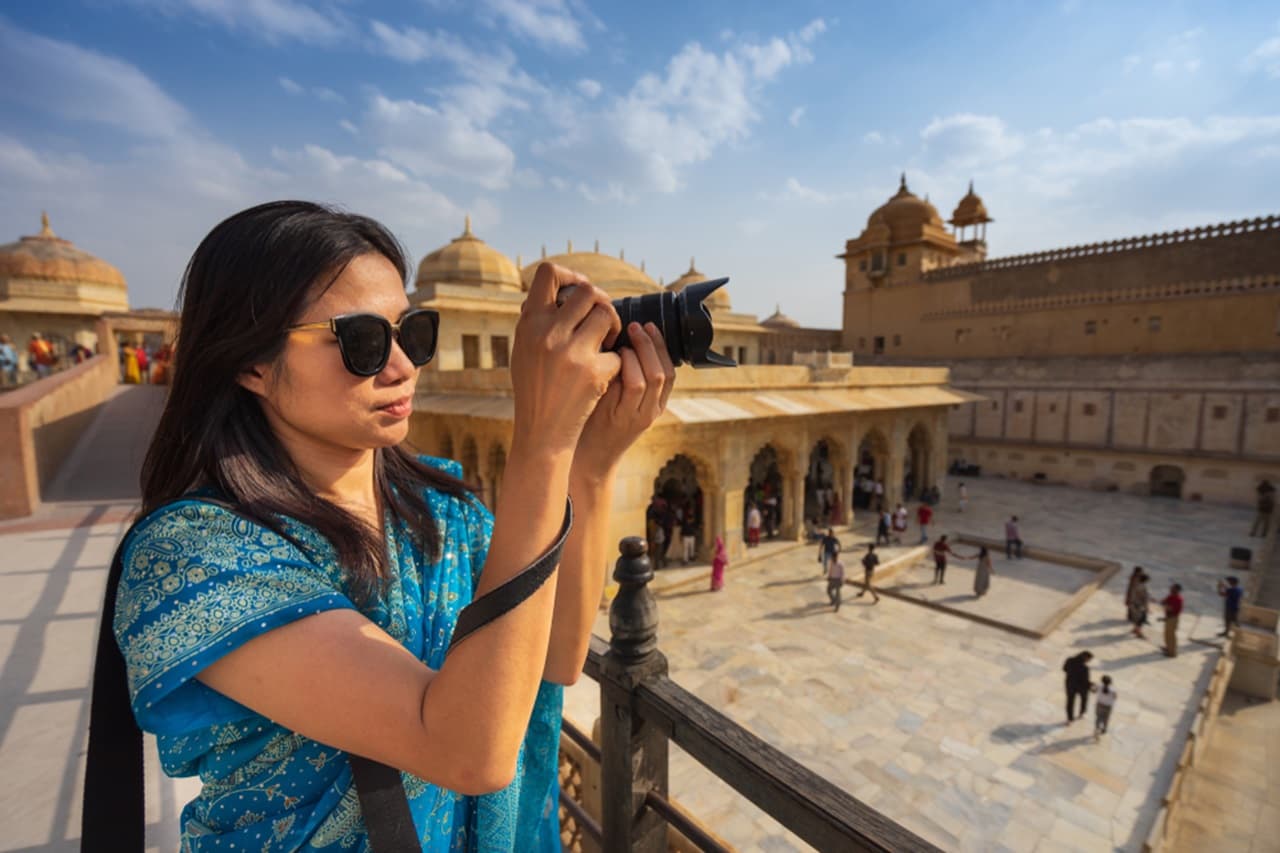
Jaipur Pink City Private Day Trip From Delhi By Car
1 days - Delhi - Jaipur
(1,111 reviews)
Skip the LinePickup AvailableJaipur
₹1,416
/Per person

Book a 'Pink City Tour' and Discover Jaipur's Treasures
Our Jaipur tour offers 1-2 day explorations of Rajasthan's capital with expert local guides, air-conditioned transportation, and skip-the-line monument access. This Pink City tour includes visits to the majestic Amber Fort, City Palace, Hawa Mahal (Palace of Winds), the Jantar Mantar observatory, and vibrant local Jaipur bazaars. Tours include hotel pickup, entrance fees, and English-speaking guides, with prices starting from ₹9,500 per person. Optional experiences include elephant rides, traditional Rajasthani dinner with folk performances, and artisan workshops.
1 days - Delhi - Jaipur
₹1,416
/Per person

1 days - Jaipur - Agra
₹4,025
/Per person

8 hours - Jaipur
₹500
/Per person
4 hours - Jaipur
₹460
/Per person
14 hours - Jaipur - Agra
₹1,333
/Per person
5 days - Delhi - Agra - Jaipur - Golden Triangle
Contact us
5 days - Golden Triangle - Agra - Delhi - Jaipur
Contact us
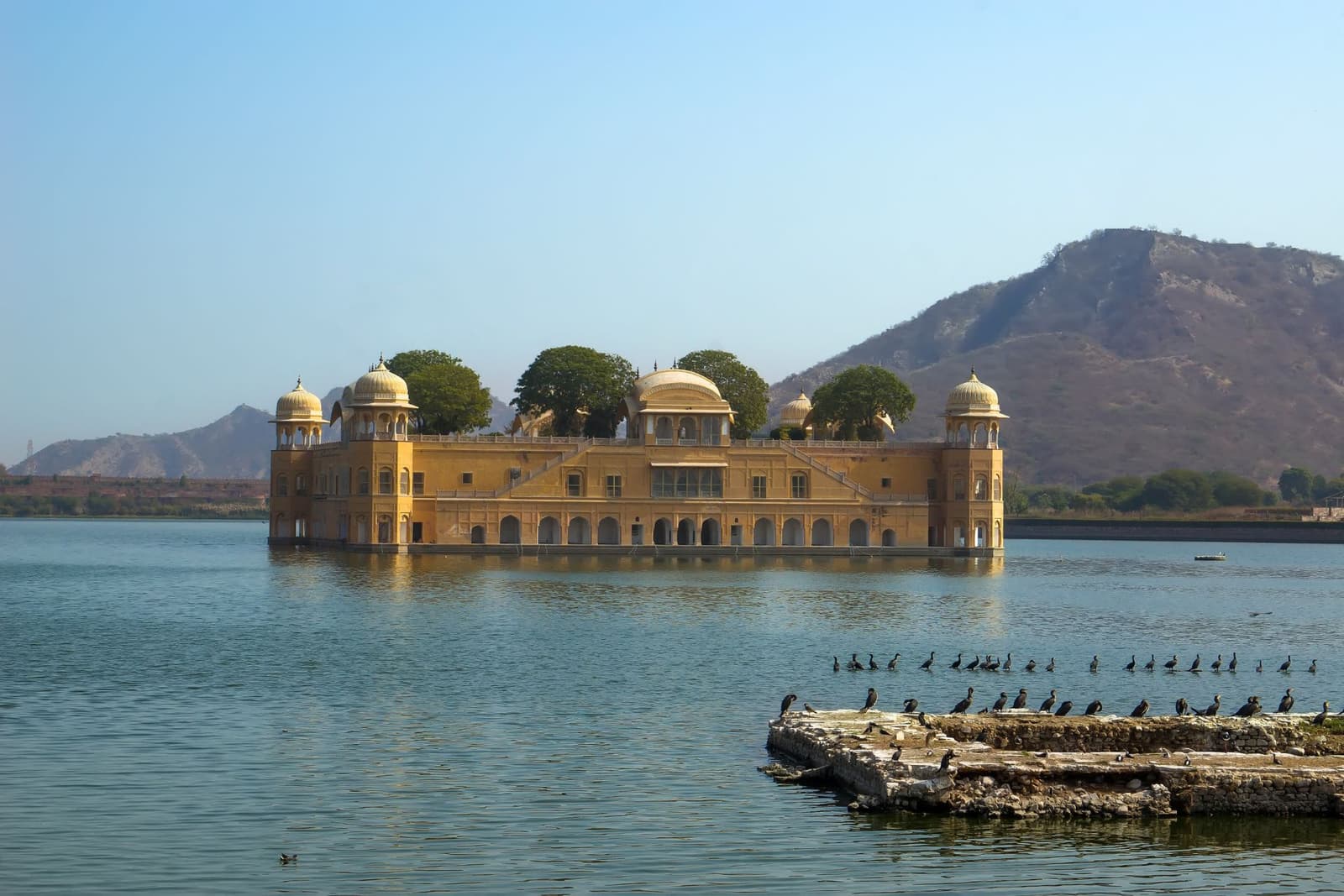
The must-see attractions for any Jaipur sightseeing tour include Amber Fort (a UNESCO World Heritage site with stunning architecture and elephant rides), City Palace Jaipur (the royal residence with museums and courtyards), Hawa Mahal (the iconic "Palace of Winds" with its honeycomb facade), Jantar Mantar Jaipur (an astronomical observatory with giant instruments), Jal Mahal (the "Water Palace" in Man Sagar Lake), and the Albert Hall Museum (housing art and artifacts). Our tours cover these essential sights with expert guides.
To explore Jaipur thoroughly, we recommend 2 full days. This allows you to visit all major attractions without rushing and experience some of the city's cultural offerings. Our 2-day Jaipur tour covers all significant monuments, markets, and includes time for shopping and cultural experiences. If you have limited time, our 1-day tour focuses on the most iconic sites like Amber Fort, City Palace, and Hawa Mahal, providing an excellent introduction to the Pink City.
The best time to visit Jaipur is from October to March when the weather is pleasant with temperatures between 15-25°C (59-77°F). This period offers comfortable conditions for exploring outdoor monuments and walking through markets. Winter (December-January) can be cool in the mornings and evenings, requiring light layers. Summer (April-June) is extremely hot with temperatures reaching 45°C (113°F), making sightseeing challenging. Monsoon season (July-September) brings occasional heavy rainfall but offers lush landscapes and fewer tourists.
The ethics of elephant rides at Amber Fort is a complex issue. While regulations have improved elephant welfare in recent years with limited working hours, weight restrictions, and better care facilities, many animal welfare organizations still discourage elephant rides. We offer our guests the choice between elephant rides and jeep transportation to the fort entrance. For those concerned about animal welfare, we recommend the jeep option. Our guides can provide more information about current practices and regulations during your tour.
Jaipur is a shopper's paradise, famous for textiles, jewelry, handicrafts, and more. The city is renowned for block-printed textiles, blue pottery, gemstones, silver jewelry, leather goods, and traditional Rajasthani clothing. Popular shopping areas include Johari Bazaar (for jewelry), Bapu Bazaar (for textiles and footwear), Tripolia Bazaar (for bangles and brass work), and Nehru Bazaar (for traditional jootis/shoes). Our tours can include dedicated shopping time with guidance on authentic products and fair pricing.
Jaipur, the capital of Rajasthan, is a city steeped in royal heritage and architectural splendor. Founded in 1727 by Maharaja Sawai Jai Singh II, Jaipur was India's first planned city, designed according to Vastu Shastra principles with wide streets arranged in a grid pattern. The city earned its nickname "Pink City" when it was painted terracotta pink in 1876 to welcome the Prince of Wales (later King Edward VII). Today, this UNESCO World Heritage Site continues to enchant visitors with its magnificent palaces, vibrant bazaars, and rich cultural traditions.
Located 11 kilometers from Jaipur city center, Amber Fort (also spelled Amer Fort) stands as a testament to Rajput architectural brilliance. Perched on a hillside overlooking Maota Lake, this 16th-century fortress complex features four courtyards, palaces, halls, and gardens. The Sheesh Mahal (Mirror Palace) dazzles visitors with thousands of mirror pieces that create a starry effect when lit by a single candle. The fort's defensive walls stretch over the surrounding hills, reminiscent of China's Great Wall. Nearby are other important forts like Jaigarh Fort and Nahargarh Fort which offer panoramic views of the city.
Our tours offer the option of ascending to the fort entrance via elephant ride (a traditional royal experience) or by jeep. Once inside, our expert guides explain the historical significance of each section, from the Diwan-i-Aam (Hall of Public Audience) to the private chambers of the royal family. The fort's blend of Hindu and Mughal architectural elements reflects Rajasthan's rich cultural synthesis. This is a must-have experience in any Jaipur travel guide.
At the heart of Jaipur lies the magnificent City Palace, a complex of courtyards, gardens, and buildings that continues to serve as a royal residence. The palace museum displays royal costumes, weapons, manuscripts, and artwork that showcase Rajasthan's opulent heritage. The Chandra Mahal (Moon Palace) with its distinctive flag still houses the royal family, while the Mubarak Mahal (Welcome Palace) exhibits textiles and costumes.
Our guided tours of City Palace include the Diwan-i-Khas (Hall of Private Audience) with its enormous silver vessels that once carried Ganges water to London for Maharaja Madho Singh II, and the Peacock Gate with its stunning artistry. The blend of Rajput, Mughal, and European architectural styles throughout the complex reflects Jaipur's historical connections and influences.
Perhaps Jaipur's most recognizable landmark, the Hawa Mahal (Palace of Winds) features a distinctive honeycomb facade with 953 small windows called jharokhas. Built in 1799 by Maharaja Sawai Pratap Singh, this five-story palace allowed royal ladies to observe street festivities while remaining unseen, adhering to the practice of purdah (female seclusion).
Our tours explain how the palace's unique design created natural air conditioning through the Venturi effect, cooling the interior during Jaipur's hot summers. The pink sandstone structure rises 50 feet from its base and connects to the City Palace through hidden passages. The top offers panoramic views of the city, including nearby Jantar Mantar and City Palace.
The Jantar Mantar observatory, built by Maharaja Jai Singh II between 1728 and 1734, houses the world's largest stone sundial and 18 other astronomical instruments. This UNESCO World Heritage site demonstrates the maharaja's fascination with astronomy and his scientific knowledge. The instruments measure time, predict eclipses, track celestial bodies, and determine celestial altitudes with remarkable precision.
Our expert guides explain how each instrument functions, from the Samrat Yantra (Supreme Instrument) that measures time to an accuracy of two seconds, to the Jai Prakash Yantra that maps the celestial hemisphere. These massive instruments represent a perfect blend of science, astronomy, architecture, and art, showcasing the advanced scientific knowledge of 18th-century India.
Beyond the major monuments, our Jaipur tours can include specialized experiences based on your interests. Visit the ancient step-well of Panna Meena ka Kund near Amber Fort, explore the less-visited Galtaji Temple (Monkey Temple) set in a natural gorge, or discover the cenotaphs at Royal Gaitor with their intricate marble carvings.
For cultural immersion, we can arrange visits to artisan workshops where you can observe traditional crafts like blue pottery making, block printing, or gemstone cutting. Evening options include attending a traditional Rajasthani dinner with folk dance and music performances at places like Chokhi Dhani, a recreated Rajasthani village that offers an immersive cultural experience.
Jaipur hosts several festivals throughout the year that can enhance your visit. January brings the Jaipur Literature Festival, the world's largest free literary festival. March features the vibrant Holi celebrations with color throwing and festivities. October/November (dates vary by lunar calendar) sees Diwali illuminations throughout the city. The Jaipur International Film Festival in January and the Elephant Festival in March (coinciding with Holi) offer unique cultural experiences.
Our tours adapt to seasonal conditions, with earlier starts during summer to avoid midday heat, indoor components during monsoon showers, and warm clothing recommendations for winter mornings and evenings. We provide seasonal packing recommendations and ensure your comfort regardless of when you visit.
Many of Jaipur's historical sites present accessibility challenges due to their age and original design. Amber Fort has steep ramps and stairs, though jeep transportation helps with initial access. City Palace offers relatively good accessibility with ramps in many areas. Hawa Mahal has narrow staircases and no elevator. Jantar Mantar is partially accessible with paved pathways but some instruments require climbing steps.
Our tours can be adapted for visitors with mobility concerns, focusing on more accessible sites and providing alternative experiences when needed. Please contact us in advance to discuss specific requirements so we can tailor your Jaipur experience accordingly.