
Can I Add Ranthambore to Delhi Agra Jaipur Tour?
Can I Add Ranthambore to Delhi Agra Jaipur Tour?
Can I Add Ranthambore to Delhi Agra Jaipur Tour?
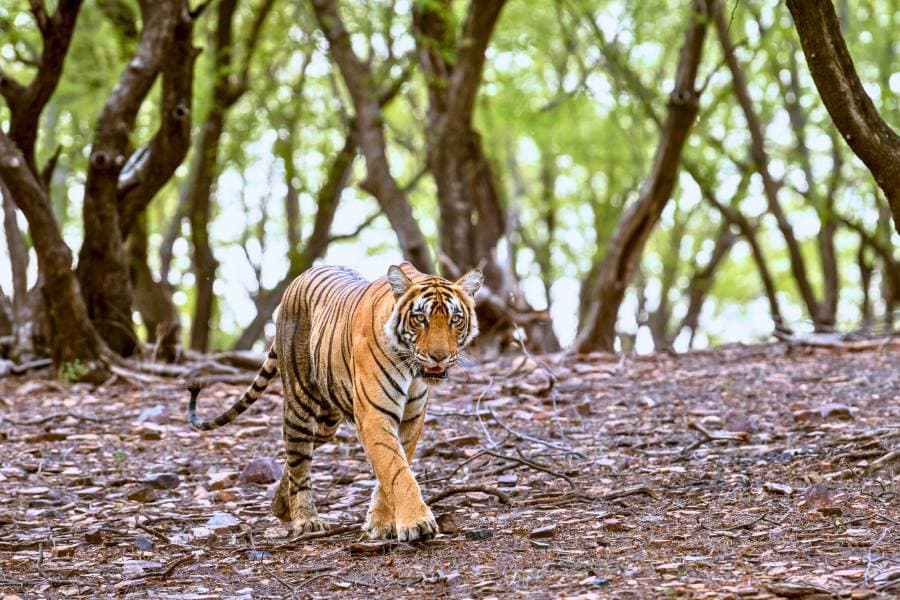
Yes, you can add Ranthambore to a Delhi, Agra, and Jaipur itinerary, and doing so can turn a classic Golden Triangle holiday into a more varied journey combining historic monuments with wildlife. A Ranthambore to Delhi Agra Jaipur Tour is particularly appealing to travellers who want to experience more than forts, palaces, markets, and Mughal architecture. Ranthambore National Park is one of India's well-known wildlife destinations, offering opportunities to see Bengal tigers and other species in a natural forest environment. The important thing is to allow additional days rather than trying to squeeze a wildlife safari into an already packed three- or four-day schedule.
The best route depends on where you are starting, how many days you have, and whether wildlife is a major priority. Many travellers find it practical to visit Delhi first, continue to Agra, travel onward to Ranthambore, and then finish in Jaipur. This route connects the destinations logically and can be arranged by private car, train, or a combination of both. With a little extra planning, you can experience the Taj Mahal, Agra Fort, historic Fatehpur Sikri, Ranthambore's wildlife, and Jaipur's royal architecture in one memorable trip.
Why Add Ranthambore to the Golden Triangle?
The biggest advantage of adding Ranthambore is variety. Delhi, Agra, and Jaipur are primarily cultural and historical destinations, while Ranthambore introduces forests, wildlife, ancient ruins, and outdoor adventure. Instead of spending the entire holiday visiting monuments, you can break up the sightseeing with a safari experience.
Ranthambore is especially attractive to photographers and nature lovers. The national park is associated with Bengal tigers, but a safari is never a guarantee of seeing a particular animal. Wildlife sightings depend on season, weather, habitat conditions, animal movement, and simple luck. You may encounter other wildlife and bird species even when a tiger does not appear.
The combination also works well for families, couples, and international visitors who want a broader introduction to northern India. One day can involve exploring Mughal architecture in Agra, while another takes you into a natural landscape where the pace is completely different.
How Many Days Do You Need?
A standard Delhi-Agra-Jaipur trip can be completed in around four to five days, but adding Ranthambore is best done with at least six or seven days. If you want two safaris and a more relaxed sightseeing schedule, seven or eight days can be even more comfortable.
Trying to add Ranthambore without increasing the total duration usually creates unnecessary pressure. You need to account for travel between cities, safari schedules, hotel check-in and check-out, and the possibility of early morning game drives.
A sample seven-day itinerary could look like this:
- Day 1: Delhi sightseeing
- Day 2: Delhi to Agra and Taj Mahal
- Day 3: Agra sightseeing and travel toward Ranthambore
- Day 4: Ranthambore safari
- Day 5: Ranthambore to Jaipur
- Day 6: Jaipur sightseeing
- Day 7: Jaipur sightseeing and onward departure
This structure provides enough flexibility to adjust individual days according to your arrival and departure arrangements.
Day 1: Explore Delhi
Start your journey in Delhi, India's capital and one of the country's most historically layered cities. Depending on your arrival time, visit attractions such as the Red Fort, India Gate, Humayun's Tomb, Qutub Minar, Jama Masjid, or Lotus Temple.
Because Delhi is enormous, avoid trying to cover attractions scattered across the entire city in a few hours. Group sightseeing by location and consider traffic when planning your schedule. A private car can be useful, although some historic areas are easier to explore on foot or by short local transfers.
If you arrive late, don't worry about seeing everything on your first day. Delhi has enough attractions to fill several days, so concentrate on the landmarks that matter most to you.
Day 2: Delhi to Agra
Leave Delhi early and travel toward Agra. Depending on your preferred transportation, you can use a private car or train. A car provides more flexibility, particularly if you plan to make sightseeing stops along the way.
Once in Agra, visit the Taj Mahal. Allow sufficient time for security procedures, walking, photography, and exploring the gardens and surrounding structures. The monument is much larger as an overall complex than photographs can suggest, so avoid planning another major activity immediately afterward.
Agra Fort is another important attraction. The enormous red sandstone complex offers a different architectural experience and provides insight into the Mughal imperial period.
If you arrive early enough, you can explore both attractions on the same day. Otherwise, move the Agra Fort visit to the following morning.
Day 3: Agra to Ranthambore
The journey from Agra to Ranthambore is where itinerary planning becomes particularly important. The route can take several hours, depending on your transportation method and stops.
One attractive option is to include Fatehpur Sikri before continuing toward Ranthambore. The historic city, developed during Emperor Akbar's reign, contains impressive red sandstone buildings and courtyards. It adds another layer of history to the journey and can be a useful stop if you have sufficient time.
Once you reach Ranthambore, check into your hotel and rest. Do not schedule a demanding sightseeing program for the evening if you have an early safari the following morning.
Day 4: Experience a Ranthambore Safari
The safari is the main reason to include Ranthambore in your itinerary. Depending on your booking, you may have an early morning or afternoon safari. Many visitors prefer to experience more than one safari because wildlife sightings are unpredictable.
Ranthambore's landscape combines forests, grasslands, lakes, rocky terrain, and historic structures. The environment itself is part of the attraction, even when animals remain hidden.
The park is known for Bengal tigers, but responsible wildlife tourism means understanding that sightings cannot be guaranteed. Guides and naturalists can help visitors understand animal behaviour, tracks, calls, habitats, and the broader ecosystem.
Keep your expectations realistic. A safari is not a zoo visit where animals appear on demand. Sometimes the most memorable moments involve birds, deer, crocodiles, monkeys, landscapes, or simply watching the forest become active around you.
Why Two Safaris Can Be Better Than One
If your schedule and budget allow, consider booking two safari drives on different time slots or days. A single safari may produce an unforgettable sighting, but there is no certainty.
Two drives give you additional time in the park and expose you to potentially different conditions. Wildlife activity can change depending on temperature, time of day, water availability, and animal movement.
Before booking, check the current rules governing safari permits, zones, vehicle allocation, and identification requirements. Park regulations and booking procedures can change, so use official or authorised booking channels wherever possible.
Day 5: Ranthambore to Jaipur
After your Ranthambore experience, continue toward Jaipur. The journey connects the wildlife portion of the trip with Rajasthan's cultural and architectural highlights.
Once you arrive in Jaipur, use the evening for something relaxed. You could explore a local market, enjoy a traditional Rajasthani meal, or visit a nearby attraction if time permits.
Jaipur's old city has a distinct atmosphere, particularly around its markets and historic streets. Shopping options include textiles, handicrafts, jewellery, pottery, and decorative items. Compare prices before making expensive purchases and ask questions about materials and craftsmanship.
Day 6: Discover Jaipur
Dedicate a full day to Jaipur's most important attractions. Start with Amber Fort, one of the city's major historic landmarks. The complex contains courtyards, gates, palaces, halls, and detailed architectural decoration.
Continue with attractions such as City Palace, Jantar Mantar, Hawa Mahal, and Jal Mahal depending on your interests and available time.
Hawa Mahal is particularly recognisable because of its distinctive façade, while Jantar Mantar provides a fascinating look at historical astronomical instruments. City Palace offers another perspective on Jaipur's royal history.
Do not try to see every attraction if doing so means rushing through all of them. Choose the places that match your interests and allow time for meals and breaks.
Day 7: Jaipur and Departure
Your final day depends on your onward transportation. If you have a late flight or train, you can use the morning for additional Jaipur sightseeing or shopping.
If your return journey is from Delhi, plan the transfer carefully. The journey from Jaipur to Delhi can take several hours by road, and traffic may affect arrival times. Travellers with an international flight should allow a generous buffer rather than scheduling a tight same-day transfer.
An alternative is to fly from Jaipur or use a suitable train connection depending on your overall itinerary.
Should You Travel by Car?
A private car is one of the most convenient ways to arrange a Ranthambore to Delhi Agra Jaipur Tour, especially for families and small groups. You can travel directly between hotels, keep your luggage in the vehicle, and make selected sightseeing stops without repeatedly arranging local transportation.
However, clarify the terms before booking. Ask whether fuel, tolls, parking, driver charges, interstate taxes, and additional kilometres are included.
You should also confirm whether the same vehicle and driver will remain with you throughout the trip. Some packages use different local transportation arrangements in certain destinations.
Train Travel and Ranthambore
Trains can be useful for selected sections of the journey, particularly if you prefer to avoid long road journeys. However, you still need local transportation between railway stations, hotels, and safari meeting points.
For a multi-destination trip, combining train travel with a private car can sometimes offer a practical compromise. The best choice depends on your budget, group size, comfort preferences, and timetable.
If you choose trains, leave adequate buffer time around safari bookings. Missing a train or arriving late at the park can disrupt a carefully planned itinerary.
When Is the Best Time to Visit?
The ideal travel period depends on what you want from the trip. Cooler weather generally makes monument sightseeing more comfortable, while wildlife conditions and park access depend on the official seasonal schedule.
Ranthambore's park opening periods can vary, and not every zone or safari option is necessarily available throughout the year. Check current official information before booking.
If wildlife is your primary reason for adding Ranthambore, research the current safari season and booking rules first. If the Golden Triangle is your primary interest, choose dates that provide comfortable conditions for outdoor sightseeing.
What Should You Pack?
Your packing list should accommodate both city sightseeing and wildlife safaris. Comfortable walking shoes are essential for Delhi, Agra, and Jaipur, while neutral and comfortable clothing can be useful for safari experiences.
Consider carrying:
- Comfortable walking shoes
- Lightweight clothing suitable for the season
- A warm layer for early morning safaris
- Sunglasses
- Sunscreen
- Hat or cap
- Reusable water bottle
- Binoculars, if available
- Camera and spare batteries
- Power bank
- Personal medication
- Identification documents
Avoid wearing or carrying items that could be problematic under current park rules. Follow instructions from your safari guide regarding behaviour around wildlife.
How Much Does the Extended Tour Cost?
The price of a Ranthambore to Delhi Agra Jaipur Tour varies significantly depending on the number of days, hotel category, vehicle type, safari permits, number of safari drives, meals, guides, and travel season.
Safari expenses should be treated as a separate part of the budget because permits and vehicle options can affect the total. Accommodation in Ranthambore also varies widely, from simple hotels to luxury wildlife resorts.
When comparing tour packages, ask for a complete cost breakdown. A package that appears cheaper initially may exclude safari fees, monument tickets, parking, tolls, or certain transportation expenses.
Wildlife Etiquette at Ranthambore
Responsible behaviour is essential during a wildlife safari. Follow your guide's instructions, remain inside the designated vehicle, and avoid loud noises that could disturb animals.
Do not attempt to feed wildlife or encourage animals to approach vehicles. Avoid littering and respect park restrictions. Photography should never take priority over animal welfare or visitor safety.
Remember that wildlife belongs in its natural environment. The goal of a safari is to observe animals responsibly rather than manipulate their behaviour for photographs.
Common Planning Mistakes
One common mistake is adding Ranthambore without adding enough days. The Golden Triangle already involves considerable travel and sightseeing, and wildlife safaris require their own schedule.
Another mistake is assuming that a tiger sighting is guaranteed. Wildlife is unpredictable, and even experienced guides cannot control where animals move.
Travellers should also avoid booking accommodation too far from the safari meeting point without checking transportation arrangements. Early safari departures make location and logistics particularly important.
Finally, do not leave every reservation until the last minute. Safari permits, quality hotels, and convenient transportation can be in demand during popular travel periods.
Is Ranthambore Worth Adding?
Whether you should add Ranthambore depends on your interests and available time. If you love wildlife, photography, nature, or outdoor experiences, it can provide a completely different dimension to a Golden Triangle holiday.
If your trip is only four days, however, adding another destination may make the itinerary too rushed. In that situation, focusing on Delhi, Agra, and Jaipur may provide a more relaxed cultural experience.
With six or seven days available, Ranthambore becomes much easier to incorporate. You can enjoy the historic attractions without sacrificing the wildlife experience.
Final Itinerary Planning Tips
A successful Ranthambore to Delhi Agra Jaipur Tour should be planned around the attractions that matter most to you. If wildlife is a priority, secure your safari arrangements first and build the rest of the itinerary around them. If the Taj Mahal is your main priority, make sure your Agra schedule provides enough time for the monument.
Use realistic travel times, keep some flexibility in your schedule, and avoid changing hotels unnecessarily. A private car can simplify the route, while trains can be useful for selected journeys.
Most importantly, give each destination its own character. Delhi is about urban history and culture, Agra is deeply connected with Mughal heritage, Ranthambore offers wildlife and wilderness, and Jaipur brings Rajasthan's royal architecture and colourful traditions.
Conclusion
Adding Ranthambore to a Delhi, Agra, and Jaipur itinerary is entirely possible and can create a much more diverse Indian holiday. Instead of focusing exclusively on historic monuments, you can combine Mughal architecture, Rajasthan's royal heritage, and a genuine wildlife experience.
A Ranthambore to Delhi Agra Jaipur Tour works best when you allow at least six or seven days and plan your transportation carefully. Consider spending a full day in Delhi, visiting Agra and the Taj Mahal, stopping at Fatehpur Sikri, enjoying one or two Ranthambore safaris, and finishing with Jaipur's forts and palaces.
With realistic scheduling, advance safari planning, and enough time between journeys, the addition of Ranthambore can turn a standard Golden Triangle itinerary into a richer and more varied travel experience.
FAQs
1. Can Ranthambore be added to the Golden Triangle?
Yes. Ranthambore can be added between Agra and Jaipur, creating a route that combines Delhi, Agra, wildlife, and Jaipur.
2. How many days are needed for Delhi, Agra, Jaipur, and Ranthambore?
Six to seven days is a practical minimum for a comfortable itinerary. Seven or eight days allows more flexibility and potentially two safari experiences.
3. How many safaris should I book in Ranthambore?
If your budget and schedule allow, two safari drives can provide additional opportunities to observe wildlife. However, no safari can guarantee a tiger sighting.
4. Can I visit Fatehpur Sikri on the way to Ranthambore?
Yes. Fatehpur Sikri can be incorporated into the journey from Agra, provided you allow enough time for the visit and the onward journey.
5. Is a private car useful for this itinerary?
A private car can be very convenient because it provides flexibility between Delhi, Agra, Ranthambore, and Jaipur. Confirm all inclusions and charges before booking.