
Capturing the Taj Mahal in Rain: A Photographer's Guide
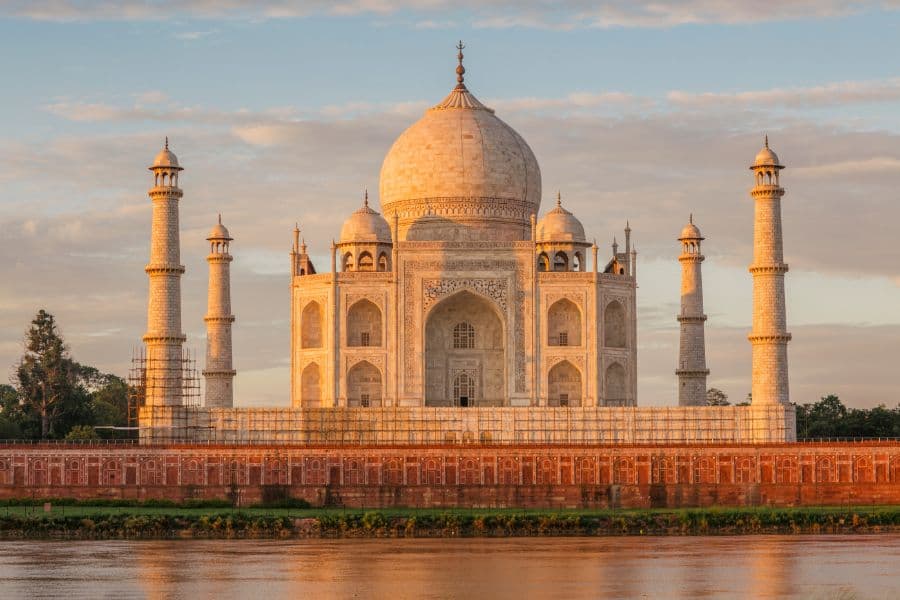
Why the Taj Mahal Becomes Extraordinary During Rain
Capturing the Taj Mahal in Rain: A Photographer’s Guide
Why the Taj Mahal Becomes Extraordinary During Rain
The Taj Mahal is already one of the most photographed monuments in the world, but rain changes everything about its appearance. The white marble takes on a softer tone under dark monsoon clouds, creating a dramatic contrast that feels almost cinematic. Instead of harsh sunlight bouncing off the marble, rain gives the monument a smooth glow that photographers often struggle to capture during dry seasons. The surrounding gardens become greener, puddles form beautiful reflections, and the atmosphere feels quieter and more emotional. It is almost like the monument suddenly starts telling a deeper story.
For photographers, rainy weather creates opportunities that are impossible to find on a bright summer afternoon. Raindrops can add texture to an image, clouds can soften shadows, and wet pathways can become natural mirrors. Some of the best travel photographers intentionally wait for monsoon conditions because they know the mood of the Taj Mahal completely transforms. Visitors also tend to thin out during rain showers, which means cleaner compositions and fewer distractions in wide-angle shots. If you are serious about travel photography, rainy weather is not something to avoid. It is something to embrace.
The emotional impact of rainy photography matters just as much as technical perfection. A rainy Taj Mahal image often feels nostalgic and timeless. The clouds above the dome create tension and drama, while the wet marble reflects light in subtle ways. This combination gives your photographs a storytelling quality that standard tourist photos usually lack. Capturing the Taj Mahal in Rain can turn a simple travel shot into an unforgettable work of art.
Best Time to Photograph the Taj Mahal During Monsoon
The monsoon season in Agra usually runs from late June through September, and this period offers some of the most unique photography conditions of the year. Early mornings are often the best time to shoot because the crowds are smaller and the light is softer. Rain showers during sunrise can create a dreamy mist around the Taj Mahal, making the monument appear almost suspended in the sky. Photographers who arrive before sunrise also have a better chance of capturing reflections before the pathways become crowded.
Evening photography has its own advantages during rainy weather. As the sun begins to disappear behind thick monsoon clouds, the marble structure absorbs cooler tones that create a dramatic atmosphere. Sunset after rainfall can sometimes produce golden light mixed with storm clouds, giving your photographs a cinematic appearance. These moments do not last long, which means timing becomes incredibly important. You need patience, quick reactions, and a willingness to wait for changing weather conditions.
Weather forecasting apps can become your best companion during a photography trip. Light rain often works better than heavy downpours because it keeps visibility clear while still adding texture to the scene. After a shower ends, puddles across the pathways can create mirror-like reflections that photographers dream about. The trick is staying flexible because monsoon weather changes rapidly. One moment the sky is dark and dramatic, and the next moment sunlight breaks through the clouds.
Photographers who understand the rhythm of monsoon weather usually return with the strongest images. Instead of fighting against the rain, they work with it creatively. That shift in mindset often separates average travel photos from truly memorable ones.
Essential Camera Gear for Rain Photography
Rain photography requires preparation because moisture can quickly damage expensive equipment. A weather-sealed camera body is one of the smartest investments for photographers who frequently shoot outdoors. Mirrorless cameras and DSLRs with weather resistance can handle light rain much more effectively than entry-level equipment. Pairing the body with a weather-sealed lens creates an additional layer of protection that becomes extremely valuable during sudden monsoon showers.
Lens choice matters just as much as the camera itself. Wide-angle lenses are ideal for capturing the entire Taj Mahal along with dramatic skies and reflections. A 16-35mm or 24-70mm lens often works perfectly because it gives flexibility for both landscape and architectural compositions. Telephoto lenses can also be useful for isolating details like raindrops on marble carvings or distant silhouettes framed against storm clouds.
Accessories become lifesavers during rainy conditions. A rain cover for your camera is essential, and even a simple waterproof sleeve can protect equipment surprisingly well. Carrying microfiber cloths is equally important because lenses fog up quickly in humid weather. A sturdy tripod helps stabilize long-exposure shots during low light conditions, especially around sunrise or sunset.
Many photographers forget about personal comfort while focusing entirely on gear. Waterproof shoes, lightweight rain jackets, and dry bags can make a huge difference during long shooting sessions. If you are uncomfortable, cold, or constantly worried about your equipment, your creativity suffers. Preparation allows you to focus fully on composition and storytelling instead of survival.
Camera Settings for Stunning Rainy Shots
Rain photography demands careful control over camera settings because lighting conditions constantly change. Shutter speed becomes one of the most important creative tools. A fast shutter speed like 1/500 second freezes raindrops sharply, creating crisp details in the air. On the other hand, slower shutter speeds around 1/30 second create soft rain streaks that add motion and atmosphere. Both approaches work beautifully depending on the story you want your image to tell.
Aperture settings also shape the mood of your photographs. Wide apertures such as f/2.8 can isolate details and create creamy backgrounds, while narrower apertures like f/8 or f/11 keep the entire monument sharp. Landscape photographers often prefer narrower apertures because they preserve architectural detail across the frame. Combining this with low ISO settings helps maintain image quality even under cloudy skies.
Rainy weather often tricks camera meters into underexposing images because the scene appears darker than normal. Slightly increasing exposure compensation can help maintain the brightness of the Taj Mahal’s white marble. Shooting in RAW format is highly recommended because it preserves more detail in shadows and highlights. This becomes especially valuable during editing when you want to recover dramatic skies or enhance reflections.
Experimentation is the secret ingredient in rainy photography. There is no single perfect setting because weather conditions change minute by minute. The photographers who produce the most compelling images are usually the ones willing to test different exposures, angles, and compositions. Capturing the Taj Mahal in Rain is less about rigid technical rules and more about adapting creatively to unpredictable conditions.
Creative Composition Ideas for Rainy Taj Mahal Photography
Composition can transform an ordinary photograph into a striking visual story. One of the most effective techniques during rain is using puddles for reflections. Wet pathways around the Taj Mahal often create natural mirrors that double the beauty of the monument. By positioning your camera close to the ground, you can capture symmetrical reflections that add depth and elegance to the image.
Framing techniques also work beautifully in rainy weather. Arches, tree branches, and nearby structures can guide the viewer’s eye directly toward the Taj Mahal. Rain-covered leaves or dripping branches in the foreground add texture and dimension, making the photograph feel immersive rather than flat. These natural frames create layers that help the image feel more dynamic.
Human subjects can add emotion and scale to your compositions. A person holding an umbrella while walking toward the Taj Mahal instantly creates a storytelling element. The contrast between the giant monument and a small figure often emphasizes the grandeur of the architecture. Candid moments during rainfall can feel especially authentic because people naturally react to the environment around them.
Clouds should never be ignored in rainy photography. Instead of cropping tightly around the monument, include dramatic skies whenever possible. Storm clouds create tension and atmosphere that completely change the mood of the image. Sometimes the sky itself becomes just as important as the Taj Mahal.
Best Photography Locations Around the Taj Mahal
The main entrance offers the classic symmetrical view that most visitors recognize immediately. During rainy weather, the central water channel often reflects the monument beautifully, creating iconic compositions. Arriving early helps avoid crowds and increases the chances of capturing clean reflections before the pathways become busy.
Mehtab Bagh is another incredible photography spot, especially during monsoon season. Located across the Yamuna River, this garden provides panoramic views of the Taj Mahal with dramatic skies in the background. Rain clouds gathering behind the monument create a breathtaking scene that feels almost surreal. Sunset shots from Mehtab Bagh after rainfall can look incredibly cinematic.
The Yamuna River area offers a less traditional but highly creative perspective. During monsoon season, the river gains energy and movement, adding another visual element to your compositions. Reflections in the water combined with dark clouds can create moody and artistic photographs. This location is particularly popular among photographers looking for unique angles instead of standard tourist shots.
Nearby rooftops and cafes can also provide elevated viewpoints that reveal the Taj Mahal from a fresh perspective. Rainy weather often creates misty layers in the distance, giving elevated shots a dreamy atmosphere. Exploring beyond the standard viewpoints usually leads to the most original photographs.
Protecting Your Camera Equipment in Rain
Rain can damage photography gear quickly if you are careless. Even weather-sealed cameras have limits, which means additional protection is always a smart idea. Camera rain covers are inexpensive but extremely effective for light and moderate rain. Some phot