
Cultural Tour of India with Golden Triangle
Cultural Tour of India: Discover the Rich Heritage Through the Golden Triangle
India is a land where history, spirituality, architecture, and vibrant traditions come together to create unforgettable travel experiences. From magnificent palaces and ancient forts to colorful festivals and mouthwatering cuisine, every corner of the country tells a fascinating story. For travelers who want to experience India's cultural richness in a short period, the Golden Triangle tour is one of the best choices. Connecting the iconic cities of Delhi, Agra, and Jaipur, this famous travel circuit offers an ideal introduction to the country's glorious past and dynamic present. Whether you are a history enthusiast, a photography lover, or someone looking to immerse yourself in authentic Indian culture, this journey promises memories that last a lifetime.
A Journey Through India's Cultural Heritage
A cultural tour of India is much more than visiting famous monuments. It is about experiencing traditions that have evolved over thousands of years. Every destination showcases a unique blend of architecture, religion, art, music, and cuisine. Travelers can witness grand Mughal monuments, majestic Rajput palaces, bustling markets, colorful festivals, and sacred temples all within a single itinerary.
The Golden Triangle perfectly captures this diversity. The three cities complement one another by presenting different chapters of Indian history. Delhi introduces visitors to ancient empires and modern India, Agra highlights the grandeur of the Mughal era, while Jaipur displays the royal heritage of Rajasthan. Together, they create a balanced cultural experience suitable for first-time and returning visitors alike.
Delhi – Where History Meets Modern Life
Delhi, India's capital, is a fascinating blend of old-world charm and contemporary development. Walking through Old Delhi feels like stepping back in time, where narrow streets are lined with spice markets, historic mosques, and traditional eateries. The magnificent Red Fort, Jama Masjid, and Chandni Chowk showcase the city's Mughal heritage and vibrant daily life.
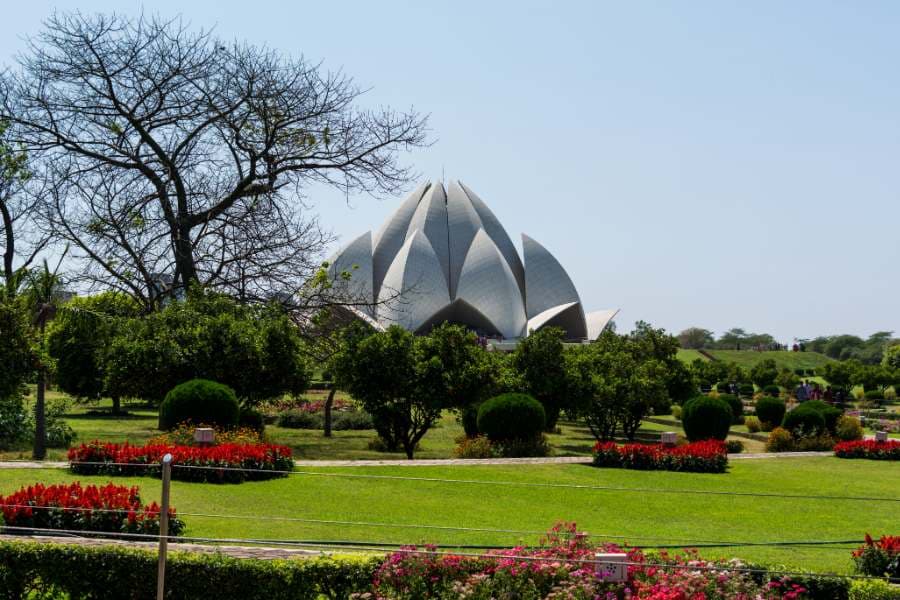
New Delhi, designed during the British colonial era, presents a completely different atmosphere. Wide boulevards, government buildings, India Gate, Rashtrapati Bhavan, and modern shopping districts reflect the city's evolution into a global metropolis. Visitors can also explore Humayun's Tomb, Qutub Minar, and Lotus Temple, each representing different architectural styles and historical periods.
Delhi's culinary scene is equally impressive. From delicious street food like chaat and parathas to fine dining experiences, every meal introduces travelers to authentic Indian flavors.
Agra – The Timeless Beauty of the Taj Mahal
No cultural tour of India is complete without visiting Agra, home to the world-famous Taj Mahal. Recognized as one of the Seven Wonders of the World and a UNESCO World Heritage Site, the Taj Mahal symbolizes eternal love and architectural perfection. Built by Emperor Shah Jahan in memory of his beloved wife Mumtaz Mahal, its gleaming white marble changes color throughout the day, creating an unforgettable visual experience.
Agra offers much more than the Taj Mahal. Agra Fort, another UNESCO World Heritage Site, reflects the power and grandeur of the Mughal Empire with its massive walls, elegant courtyards, and intricate palaces. Visitors can also explore Itmad-ud-Daulah's Tomb, often called the "Baby Taj," and Mehtab Bagh, which offers breathtaking sunset views of the Taj Mahal across the Yamuna River.
The city's vibrant markets are famous for marble handicrafts, leather goods, and traditional sweets such as petha, making shopping another enjoyable part of the journey.
Jaipur – Experience Rajasthan's Royal Heritage
Known as the Pink City, Jaipur welcomes visitors with colorful streets, magnificent forts, royal palaces, and lively bazaars. The city's distinctive pink-colored buildings symbolize hospitality and create a charming atmosphere unlike anywhere else in India.
Amber Fort is one of Jaipur's greatest attractions. Perched on a hilltop, this magnificent fortress features stunning courtyards, mirror work, artistic carvings, and panoramic views of the surrounding landscape. City Palace continues to serve as a royal residence while displaying priceless artifacts, costumes, and historical collections.
Another iconic landmark is the Hawa Mahal, or Palace of Winds, famous for its unique honeycomb façade with hundreds of small windows that allowed royal women to observe city life while maintaining privacy. Jantar Mantar, a UNESCO-listed astronomical observatory, demonstrates the scientific achievements of ancient India.
Jaipur's colorful markets are perfect for shopping enthusiasts looking for handcrafted jewelry, textiles, pottery, carpets, and traditional Rajasthani souvenirs.
Architecture That Tells Stories
India's architectural heritage is among the richest in the world, and the Golden Triangle offers an extraordinary opportunity to admire different styles within a single trip. Islamic architecture, Mughal masterpieces, Rajput palaces, British colonial buildings, and modern landmarks all coexist harmoniously.
Each monument tells a story of ambition, artistry, and cultural exchange. The intricate marble inlay of the Taj Mahal, the imposing sandstone walls of Red Fort, and the decorative balconies of Hawa Mahal demonstrate exceptional craftsmanship that continues to inspire architects and travelers alike.
Photography enthusiasts find endless opportunities to capture dramatic landscapes, colorful streets, detailed carvings, and vibrant local life throughout the journey.
Local Culture and Traditional Experiences
The true charm of India lies in its people and traditions. Travelers can participate in cultural performances featuring classical dance, folk music, puppet shows, and local festivals. Traditional cooking classes offer insights into Indian spices and regional recipes, while village visits reveal everyday life beyond major tourist attractions.
Markets across Delhi, Agra, and Jaipur provide opportunities to interact with skilled artisans who create handcrafted textiles, jewelry, pottery, paintings, and leather products using techniques passed down through generations.
These authentic cultural experiences transform sightseeing into meaningful memories, allowing visitors to connect with India's living heritage rather than simply observing historical monuments.
Indian Cuisine: A Feast for Every Traveler
Food plays a central role in every cultural journey across India. Each city on the tour introduces unique flavors and culinary traditions. Delhi delights visitors with butter chicken, kebabs, stuffed parathas, and spicy street food. Agra is known for Mughlai cuisine featuring rich gravies, aromatic spices, and famous petha sweets.
Jaipur presents authentic Rajasthani dishes including Dal Baati Churma, Gatte Ki Sabzi, Ker Sangri, and Laal Maas. Vegetarian travelers also enjoy countless flavorful options inspired by centuries of regional traditions.
Indian hospitality ensures that meals become memorable cultural experiences rather than simple dining occasions.
Best Time to Visit
The ideal time for a cultural tour of India is between October and March when the weather remains pleasant for sightseeing. During these months, travelers can comfortably explore monuments, forts, markets, and outdoor attractions without the intense summer heat.
Winter also brings numerous cultural festivals that showcase India's music, dance, art, and religious traditions. Spring offers blooming gardens and enjoyable temperatures, making photography and outdoor exploration especially rewarding.
Although summer months can be hot, they often provide fewer crowds and attractive hotel discounts for budget-conscious travelers.
Travel Tips for a Memorable Experience
Planning ahead helps maximize your cultural journey. Comfortable clothing, walking shoes, sunscreen, and reusable water bottles are essential companions during sightseeing. Respecting local customs, especially when visiting religious sites, enhances the travel experience and demonstrates cultural appreciation.
Hiring knowledgeable local guides can significantly enrich visits by explaining historical events, architectural details, and fascinating legends associated with each monument. Travelers should also leave time for spontaneous discoveries, whether it's a hidden café, an artisan workshop, or a traditional cultural performance.
Using reliable transportation and booking accommodations in advance ensures a smooth and enjoyable itinerary.
Why Choose the Golden Triangle Tour?
The Golden Triangle remains India's most celebrated travel route because it offers remarkable diversity within a relatively short distance. Visitors experience centuries of history, magnificent architecture, colorful traditions, delicious cuisine, and warm hospitality in just a few days. Every destination contributes something unique, creating a balanced itinerary suitable for solo travelers, couples, families, and groups alike.
Unlike many destinations that focus on a single attraction, this route combines historical monuments, royal heritage, bustling markets, cultural performances, and authentic local experiences. It provides an ideal introduction to India's extraordinary diversity while inspiring many travelers to return and explore even more regions across the country.
Conclusion
A cultural tour of India offers an unforgettable journey through one of the world's oldest and most diverse civilizations. From the historic streets of Delhi and the timeless beauty of the Taj Mahal in Agra to the royal splendor of Jaipur, every destination reveals another layer of India's remarkable heritage. The Golden Triangle presents the perfect opportunity to experience magnificent architecture, vibrant traditions, delicious cuisine, and genuine hospitality within one carefully planned itinerary. Whether you seek history, photography, adventure, or cultural immersion, this iconic travel circuit promises experiences that will remain with you long after your journey ends.
Frequently Asked Questions
1. What is the Golden Triangle tour in India?
The Golden Triangle tour connects Delhi, Agra, and Jaipur, offering travelers an introduction to India's history, architecture, culture, and heritage.
2. How many days are ideal for the Golden Triangle tour?
A 5 to 7-day itinerary is ideal for comfortably exploring all three cities and their major attractions.
3. What is the best time to visit the Golden Triangle?
The best time is from October to March when the weather is pleasant and suitable for sightseeing.
4. Is the Golden Triangle suitable for first-time visitors to India?
Yes. It is considered the perfect introduction to India because it combines famous landmarks, cultural experiences, and convenient transportation.
5. What are the must-visit attractions on the Golden Triangle route?
Highlights include the Red Fort, Qutub Minar, India Gate, Taj Mahal, Agra Fort, Amber Fort, Hawa Mahal, City Palace, and Jantar Mantar.