
Golden Triangle Tour for First-Time Visitors
Golden Triangle Tour for First-Time Visitors
Your first trip to India should be exciting, memorable, and comfortable rather than confusing. With so many incredible destinations spread across the country, deciding where to begin can feel overwhelming. That is why thousands of travelers choose the Golden Triangle Tour as their introduction to India every year. Covering Delhi, Agra, and Jaipur, this famous travel circuit showcases India's rich history, vibrant culture, magnificent architecture, colorful traditions, and delicious cuisine in one well-planned journey. Whether you are traveling with family, friends, your partner, or even alone, this route provides a perfect balance of sightseeing, cultural experiences, and relaxation.
The journey takes visitors from the bustling capital city of Delhi to the timeless beauty of Agra, home to the magnificent Taj Mahal, before continuing to the royal city of Jaipur, famous for its majestic forts and colorful markets. Each destination offers a completely different experience, making every day of the trip feel fresh and exciting. Excellent road infrastructure, modern expressways, frequent train services, and convenient domestic flights have made this route more accessible than ever. If you are looking for the perfect introduction to India, the Golden Triangle Tour is undoubtedly one of the smartest choices you can make.
Why the Golden Triangle Tour Is Perfect for First-Time Visitors
The popularity of this travel circuit is no coincidence. It combines three of India's most iconic cities into a single itinerary, allowing travelers to experience centuries of history and culture without spending weeks on the road. First-time visitors often want to see famous landmarks while also getting a genuine feel for local life. This journey delivers exactly that.
Delhi introduces visitors to India's modern lifestyle while preserving its Mughal and colonial heritage. Agra captivates travelers with one of the world's greatest architectural masterpieces, the Taj Mahal, along with impressive forts and historical monuments. Jaipur adds a royal touch with magnificent palaces, hilltop forts, vibrant bazaars, and colorful Rajasthani traditions.
Another reason travelers prefer this route is convenience. The cities are well connected through the Yamuna Expressway and other national highways, making road travel smooth and comfortable. Luxury hotels, experienced guides, reliable transportation, and excellent dining options are available throughout the journey, making it suitable for travelers of all ages.
Exploring Delhi – Where India's History Meets Modern Life
Delhi is much more than India's capital city. It is a fascinating blend of ancient empires and modern development. Walking through Old Delhi feels like stepping back several centuries, while New Delhi showcases broad avenues, government buildings, luxury hotels, shopping districts, and vibrant cafés.
One of the first stops for most visitors is the Red Fort, a UNESCO World Heritage Site that reflects the grandeur of the Mughal Empire. Nearby, Jama Masjid impresses visitors with its massive courtyard and stunning architecture. Chandni Chowk offers a sensory overload of street food, spices, colorful textiles, and traditional markets that have existed for generations.
New Delhi presents another side of the city with landmarks such as India Gate, Rashtrapati Bhavan, Humayun's Tomb, Lotus Temple, and Qutub Minar. These monuments tell different chapters of India's history while showcasing various architectural styles. Spending one or two days in Delhi provides an excellent introduction before heading toward Agra.
Agra – Home of the Timeless Taj Mahal
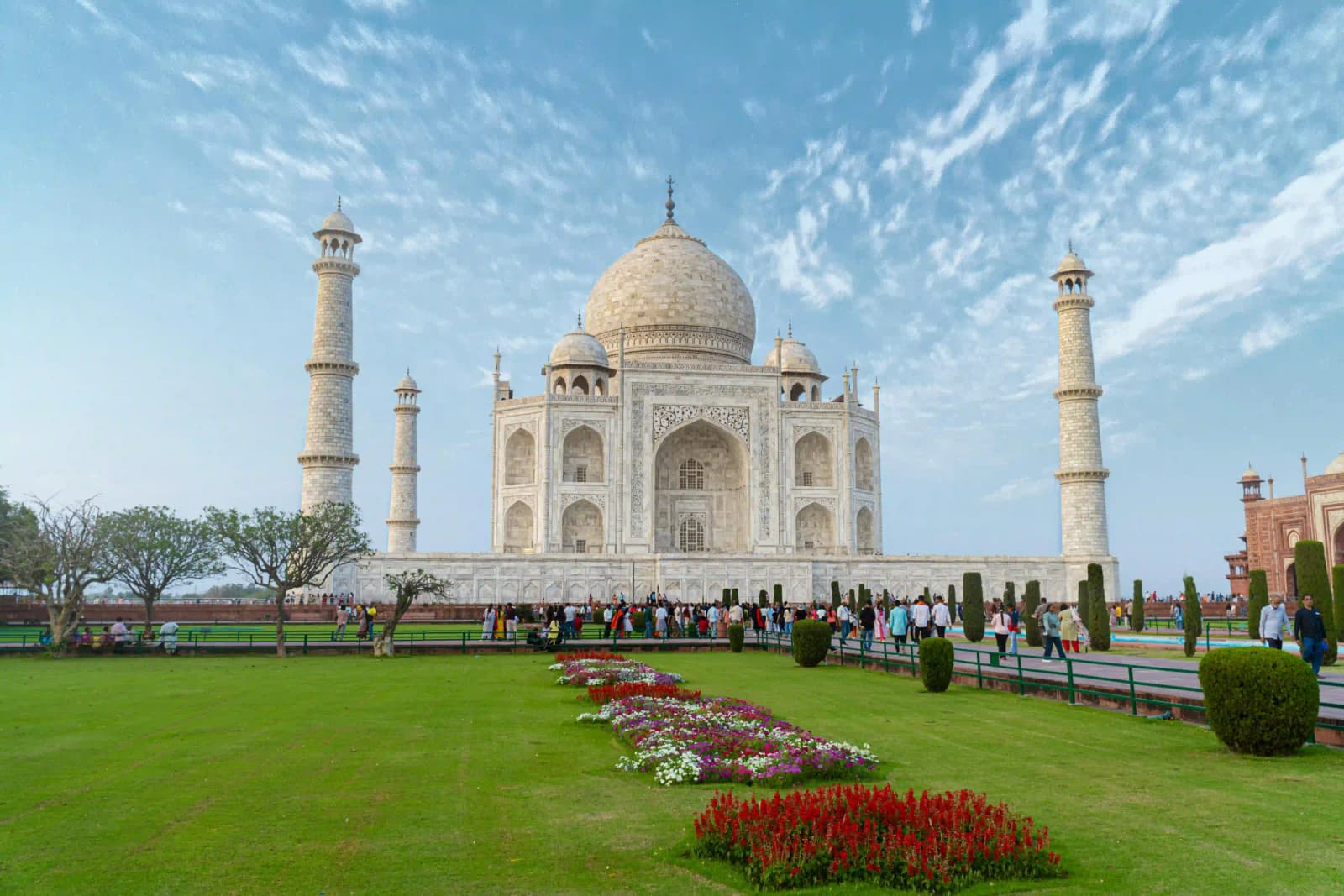
No journey through northern India is complete without visiting Agra. The city attracts millions of tourists each year because of the Taj Mahal, widely regarded as one of the greatest symbols of love ever built. Constructed by Emperor Shah Jahan in memory of his wife Mumtaz Mahal, this white marble masterpiece continues to amaze visitors with its intricate carvings, perfectly symmetrical gardens, and breathtaking reflections.
Early morning is considered the best time to visit the monument. As the sun rises, the marble gradually changes colors, creating an unforgettable experience that photographs simply cannot capture. Beyond the Taj Mahal, Agra Fort stands as another UNESCO World Heritage Site where Mughal emperors once ruled. The fort's impressive halls, courtyards, and palaces reveal the luxurious lifestyle of India's royal past.
Travelers often extend their visit to include Mehtab Bagh for panoramic views of the Taj Mahal across the Yamuna River or explore the nearby abandoned Mughal capital of Fatehpur Sikri, famous for its remarkable red sandstone architecture.
Jaipur – Experience the Royal Heritage of Rajasthan
Known as the Pink City, Jaipur welcomes travelers with grand palaces, impressive forts, colorful streets, and warm Rajasthani hospitality. Every corner of the city reflects royal heritage, making it one of India's most photogenic destinations.
Amber Fort is often considered the highlight of Jaipur. Built on a hill overlooking Maota Lake, the fort combines Rajput and Mughal architecture with beautifully decorated halls, mirrored rooms, and breathtaking views. The City Palace continues to serve as the residence of Jaipur's royal family while also housing museums filled with historical artifacts.
The iconic Hawa Mahal, with its hundreds of intricately designed windows, remains one of India's most recognizable landmarks. Jantar Mantar, another UNESCO World Heritage Site, showcases fascinating astronomical instruments that were centuries ahead of their time.
Shopping is equally rewarding in Jaipur. Travelers can browse traditional handicrafts, gemstones, blue pottery, block-printed textiles, leather goods, jewelry, and handcrafted souvenirs in bustling local markets.
Best Time to Visit the Golden Triangle
Timing plays an important role in ensuring a comfortable journey. The most pleasant months for exploring the Golden Triangle Tour are from October to March. During this period, temperatures remain comfortable for sightseeing, outdoor activities, and photography.
Winter mornings may be slightly foggy in Delhi and Agra, but the afternoons are generally sunny and enjoyable. Spring offers blooming gardens and pleasant weather, while autumn provides clear skies and numerous cultural festivals.
Summer, from April to June, can become extremely hot, especially in Rajasthan. However, travelers who do not mind higher temperatures often find attractive discounts on hotels and tour packages. The monsoon season between July and September brings occasional rainfall, greener landscapes, and fewer crowds, creating a different but equally beautiful travel experience.
Suggested 5-Day Golden Triangle Itinerary
A five-day itinerary allows travelers to experience the major attractions without feeling rushed.
Day one begins with arrival in Delhi, where visitors explore India Gate, Qutub Minar, Humayun's Tomb, Lotus Temple, and Connaught Place.
Day two includes Old Delhi's Red Fort, Jama Masjid, Raj Ghat, and Chandni Chowk before driving to Agra via the Yamuna Expressway.
Day three starts with a sunrise visit to the Taj Mahal, followed by Agra Fort and optional sightseeing at Mehtab Bagh or Fatehpur Sikri before continuing to Jaipur.
Day four focuses on Amber Fort, Jal Mahal, City Palace, Jantar Mantar, and Hawa Mahal while allowing time for shopping in Jaipur's vibrant markets.
Day five concludes the journey with breakfast before returning to Delhi or continuing to another destination in India.
Budget Planning for First-Time Travelers
One of the biggest advantages of this route is its flexibility. Travelers can choose luxury, mid-range, or budget experiences depending on their preferences.
Budget travelers can comfortably complete the trip by staying in economical hotels, using shared transportation, and enjoying authentic local restaurants. Mid-range travelers benefit from comfortable accommodations, private vehicles, and guided sightseeing without spending excessively.
Luxury travelers have access to heritage palaces, five-star hotels, premium transportation, and exclusive cultural experiences. Regardless of your budget, excellent value can be found throughout the journey because tourism infrastructure across these cities is highly developed.
Essential Travel Tips
Carrying comfortable walking shoes is essential since many historical monuments require considerable walking. Lightweight clothing works well for most of the year, while winter visitors should pack a light jacket for chilly mornings and evenings.
Keeping bottled water, sunscreen, sunglasses, and a power bank will make sightseeing much more comfortable. Respecting local customs, dressing modestly when visiting religious sites, and asking permission before photographing local people demonstrates cultural sensitivity.
Booking tickets for major attractions online can save valuable time, especially during the peak tourist season. Hiring experienced local guides also enhances the experience by providing fascinating historical stories that are often missed during self-guided visits.
Why Choose a Private Golden Triangle Tour?
Although independent travel is possible, many first-time visitors prefer private tours for convenience and peace of mind. Private transportation eliminates the stress of navigating unfamiliar roads, while professional guides provide historical insights and local recommendations throughout the journey.
Private tours also offer flexibility. Travelers can spend more time at favorite attractions, customize itineraries, enjoy comfortable hotel pickups, and avoid rigid schedules. Families, honeymooners, senior travelers, and international visitors particularly appreciate the personalized service that private tours provide.
The Golden Triangle Tour also becomes more enjoyable when experienced at your own pace, allowing you to focus on creating unforgettable memories rather than managing logistics.
Conclusion
India is a destination that leaves a lasting impression on every traveler, and there is no better introduction than the Golden Triangle Tour. Combining the historical grandeur of Delhi, the timeless beauty of Agra, and the royal elegance of Jaipur, this remarkable journey offers an unforgettable glimpse into the country's diverse heritage. Every city tells a different story, every monument reflects centuries of history, and every local experience adds another layer to your understanding of India's vibrant culture.
Whether you are fascinated by magnificent architecture, colorful markets, authentic cuisine, or cultural traditions, this itinerary delivers a complete travel experience within just a few days. For anyone planning their first adventure in India, the Golden Triangle Tour remains the ideal choice, offering comfort, convenience, and memories that will last a lifetime.
Frequently Asked Questions
1. How many days are ideal for a Golden Triangle Tour?
A 5 to 7-day itinerary is ideal for comfortably exploring Delhi, Agra, and Jaipur without rushing through the major attractions.
2. Is the Golden Triangle Tour suitable for solo travelers?
Yes. The route is one of India's safest and most tourist-friendly circuits, with excellent hotels, transportation, and guided tour options.
3. What is the best month to visit?
October through March offers the most pleasant weather for sightseeing and outdoor activities.
4. Can I customize my itinerary?
Absolutely. Many travel companies allow travelers to extend their journey to destinations such as Ranthambore, Udaipur, Pushkar, Varanasi, or Kerala.
5. Is the Golden Triangle Tour expensive?
Not at all. The route offers options for every budget, from affordable guesthouses to luxurious heritage hotels, making it accessible to almost every traveler.