
How Many Days Do You Need for an India Tour?
How Many Days Do You Need for an India Tour?
Planning an India Tour is an exciting experience, but one of the first questions every traveler asks is, "How many days do I really need to explore India?" The answer depends on your travel goals, interests, budget, and the regions you wish to visit. India is the seventh-largest country in the world, offering an incredible mix of ancient history, diverse cultures, breathtaking landscapes, spiritual destinations, vibrant cities, and world-famous landmarks. Because of its vast size and endless attractions, there is no one-size-fits-all itinerary.
Some travelers have only a week to explore India's highlights, while others spend several weeks discovering hidden gems across different states. Whether you are interested in historical monuments, wildlife safaris, Himalayan adventures, relaxing beaches, or colorful festivals, choosing the right duration will help you make the most of your journey. A carefully planned India Tour ensures that you experience the country's rich diversity without feeling rushed or overwhelmed.
Is One Week Enough for an India Tour?
If you only have seven days, you can still enjoy some of India's most iconic attractions. A one-week itinerary is perfect for first-time visitors who want to experience the famous Golden Triangle, which includes Delhi, Agra, and Jaipur. This route introduces travelers to India's fascinating history, magnificent architecture, royal heritage, and delicious cuisine.
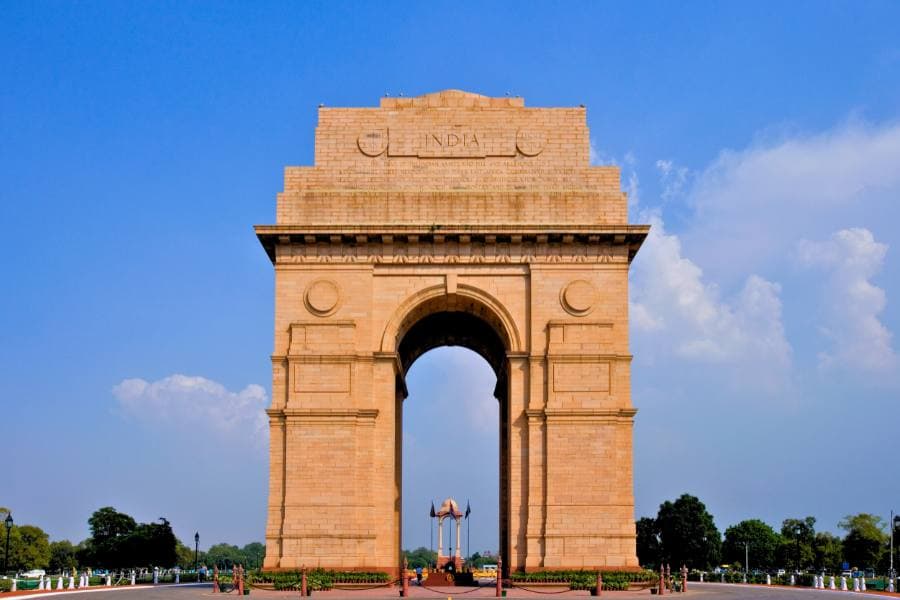
During the first two days, visitors can explore Delhi's historic landmarks, including the Red Fort, India Gate, Qutub Minar, Humayun's Tomb, and bustling Chandni Chowk. The journey then continues to Agra, where the magnificent Taj Mahal and Agra Fort leave lasting impressions on every traveler. The final destination, Jaipur, offers spectacular attractions such as Amber Fort, Hawa Mahal, City Palace, and colorful local bazaars.
Although seven days provide only a brief introduction, this itinerary offers an excellent overview of North India's cultural heritage. Many international travelers choose this route because transportation between these cities is convenient, allowing them to maximize sightseeing without spending excessive time on long journeys.
Why a 10-Day India Tour Is More Comfortable
A ten-day itinerary gives travelers greater flexibility and a more relaxed pace. Instead of rushing through major attractions, visitors can spend additional time exploring local neighborhoods, enjoying authentic cuisine, attending cultural performances, and interacting with local communities.
After completing the Golden Triangle, travelers often extend their journey by visiting Ranthambore National Park for a thrilling tiger safari. Wildlife enthusiasts have the opportunity to spot Bengal tigers, leopards, deer, crocodiles, and numerous bird species in their natural habitat.
Alternatively, travelers may choose to visit Varanasi, one of the world's oldest continuously inhabited cities. Watching the evening Ganga Aarti ceremony on the banks of the River Ganges offers an unforgettable spiritual experience unlike anywhere else on Earth.
A 10-day India Tour strikes an ideal balance between sightseeing and relaxation, making it a popular choice for international visitors.
Exploring India in Two Weeks
For many travelers, two weeks is considered the ideal duration for experiencing India's incredible diversity. Fourteen days allow visitors to explore multiple regions without constantly worrying about transportation schedules.
A typical two-week itinerary might include Delhi, Agra, Jaipur, Ranthambore, Udaipur, and Jodhpur. This route combines Mughal architecture, Rajput palaces, wildlife adventures, romantic lakes, desert landscapes, and colorful cultural traditions.
Those interested in spirituality may replace Rajasthan destinations with Varanasi and Rishikesh, while nature lovers might include Kerala's backwaters or Goa's beautiful beaches. Travelers interested in Himalayan scenery can also explore Shimla, Manali, or Dharamshala.
With fourteen days available, visitors gain a deeper appreciation for India's remarkable regional diversity, as every destination offers unique languages, cuisines, customs, and architectural styles.
Three Weeks or More for a Complete India Experience
If your schedule allows, spending three weeks or longer in India opens the door to an extraordinary travel experience. Rather than focusing only on major tourist attractions, visitors can explore lesser-known destinations that showcase India's authentic character.
A longer itinerary might include:
- Delhi
- Agra
- Jaipur
- Udaipur
- Jodhpur
- Jaisalmer
- Mumbai
- Goa
- Kochi
- Alleppey
- Munnar
- Varanasi
This extended journey introduces travelers to royal Rajasthan, tropical Kerala, vibrant Mumbai, relaxing beaches, historic temples, mountain landscapes, and traditional village life.
A longer India Tour also allows flexibility for unexpected discoveries. Many travelers find that some of their favorite experiences occur while wandering local markets, attending festivals, participating in cooking classes, or simply interacting with friendly locals.
Choosing the Right Travel Style
The number of days required also depends on your preferred travel style. Some travelers enjoy fast-paced itineraries packed with sightseeing, while others prefer slower journeys that allow time for relaxation and spontaneous exploration.
Luxury travelers often spend more time at fewer destinations, enjoying heritage hotels, spa experiences, fine dining, and private guided tours. Backpackers may cover greater distances while staying in budget accommodations and using public transportation.
Families with children usually benefit from slower itineraries that include fewer hotel changes, allowing everyone to travel comfortably. Couples frequently choose romantic destinations such as Udaipur, Kerala, or the Taj Mahal, while solo travelers often prefer flexible schedules that leave room for meeting fellow travelers and joining local experiences.
Best Time for an India Tour
The ideal season for visiting India depends largely on the regions you plan to explore.
For most travelers, October through March offers the most pleasant weather. Northern India enjoys cooler temperatures, making sightseeing comfortable and enjoyable. This period is especially suitable for visiting Delhi, Agra, Jaipur, Rajasthan, and Varanasi.
Spring brings colorful festivals such as Holi, while autumn features the spectacular celebrations of Diwali. Experiencing these festivals adds unforgettable cultural memories to any journey.
The summer months from April to June can be extremely hot in many northern regions, although they remain excellent for exploring Himalayan destinations. Meanwhile, the monsoon season transforms Kerala and other southern states into lush green landscapes, attracting travelers who appreciate nature and fewer crowds.
Transportation Across India
India offers an extensive transportation network that makes traveling between destinations relatively easy.
Domestic flights connect major cities quickly, making them ideal for longer distances. High-speed trains such as the Vande Bharat Express and Gatimaan Express provide comfortable travel between important tourist destinations.
Private cars remain the most convenient option for exploring regions like Rajasthan or the Golden Triangle because they offer flexibility and allow visitors to stop at interesting attractions along the way.
Modern highways have significantly reduced travel times, making road trips increasingly popular among both domestic and international tourists.
Budget Considerations
The length of your trip naturally affects your travel budget. Fortunately, India offers accommodation and transportation options suitable for every budget.
Budget travelers can find affordable guesthouses, hostels, local restaurants, and public transportation that keep daily expenses relatively low.
Mid-range travelers enjoy comfortable hotels, private transportation, and guided sightseeing at reasonable prices. Luxury travelers can experience palace hotels, premium resorts, fine dining, private chauffeurs, and personalized itineraries that provide exceptional comfort.
Regardless of your budget, careful planning allows visitors to enjoy a memorable India Tour while managing expenses effectively.
Essential Travel Tips
Before beginning your journey, it is helpful to prepare properly.
Apply for your visa well in advance and ensure your passport remains valid for at least six months beyond your travel dates. Purchasing travel insurance provides additional peace of mind throughout the trip.
Pack lightweight clothing suitable for warm weather, along with comfortable walking shoes, sunscreen, sunglasses, and a reusable water bottle. Modest clothing is recommended when visiting temples, mosques, and other religious sites.
Booking accommodations and transportation ahead of time is particularly important during the peak travel season when hotels and trains fill quickly.
Finally, remain open-minded and patient. India's energy, diversity, and vibrant atmosphere can feel overwhelming at first, but embracing local customs and maintaining flexibility will lead to some of the most rewarding travel experiences imaginable.
Why India Deserves More Than One Visit
Many visitors quickly discover that no single trip can fully capture everything India has to offer. Every state presents distinct traditions, languages, cuisines, festivals, architecture, and natural beauty.
One journey may focus on North India's royal heritage, while another explores South India's beaches and backwaters. Future visits could include the Himalayas, Northeast India, wildlife sanctuaries, desert adventures, or spiritual retreats.
Because every region offers something completely unique, travelers often return multiple times, discovering new destinations and unforgettable experiences during each visit.
A thoughtfully planned India Tour becomes much more than a vacation—it becomes an inspiring cultural journey filled with lifelong memories.
Conclusion
So, how many days do you need for an India tour? While even a week offers a wonderful introduction, 10 to 14 days provide a more balanced experience that allows travelers to appreciate India's incredible cultural richness without rushing from one destination to another. Those with three weeks or more can immerse themselves even deeper in the country's extraordinary diversity.
Whether your interests lie in magnificent palaces, ancient temples, wildlife safaris, mountain adventures, colorful festivals, or world-famous landmarks like the Taj Mahal, India offers unforgettable experiences for every traveler. The key is selecting an itinerary that matches your available time, travel style, and personal interests.
A carefully organized India Tour ensures that every day brings new discoveries, meaningful cultural encounters, and unforgettable memories that will inspire you to return again and again.
Frequently Asked Questions
1. Is 7 days enough to visit India?
Yes. A 7-day trip is ideal for exploring the Golden Triangle, including Delhi, Agra, and Jaipur.
2. How many days are recommended for first-time visitors?
A 10 to 14-day itinerary offers the perfect balance between sightseeing and relaxation.
3. What is the best month to visit India?
October through March is generally considered the best time due to pleasant weather across most regions.
4. Can I travel across India by train?
Absolutely. India has one of the world's largest railway networks, offering comfortable and affordable travel between major cities.
5. Is India suitable for family vacations?
Yes. India offers family-friendly attractions, cultural experiences, wildlife parks, beaches, and historical monuments suitable for travelers of all ages.