
How Much Does a Golden Triangle India Tour Cost? 2026 Guide
How Much Does a Golden Triangle India Tour Cost in 2026?
How Much Does a Golden Triangle India Tour Cost in 2026?
If you are planning a Golden Triangle India tour in 2026, one of the first questions you will probably ask is: How much money should I budget? The answer depends heavily on how you travel. A backpacker staying in simple guesthouses and using trains can explore Delhi, Agra and Jaipur for a surprisingly modest amount, while a couple staying in five-star heritage hotels with a private driver and guides can spend several thousand dollars. That flexibility is one of the best things about traveling through India's Golden Triangle. You are not locked into one price point.
For a typical international traveler, a realistic Golden Triangle India tour cost in 2026 can start at around $250–$400 per person for a basic 3-day trip, while a comfortable private tour can cost approximately $450–$900 per person. A premium or luxury experience can easily reach $1,200–$2,500+ per person, particularly when high-end hotels, private guides, luxury transportation and exclusive experiences are included. These figures generally exclude international flights, visas, travel insurance and personal shopping.
The classic route covers Delhi, Agra and Jaipur, often in five or six days. You can make it shorter if time is limited or extend it with destinations such as Ranthambore, Pushkar, Varanasi or Udaipur. So, rather than asking for one universal price, it makes more sense to understand the individual expenses that build your final trip budget.
What Is the Golden Triangle of India?
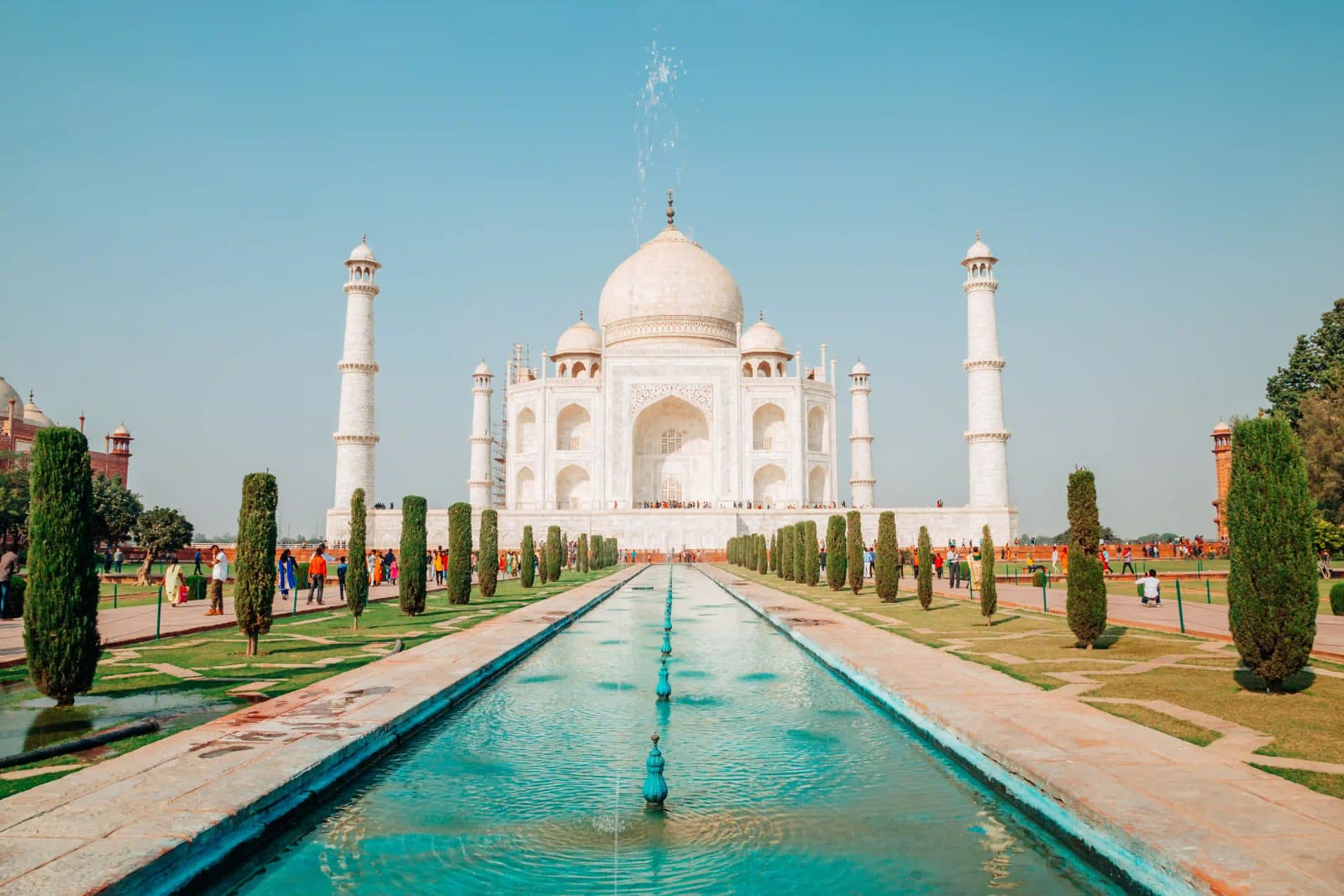
India's Golden Triangle connects Delhi, Agra and Jaipur, three destinations that together provide an excellent introduction to northern India. Delhi is usually the arrival and departure point, Agra is famous worldwide for the Taj Mahal, and Jaipur is known as the Pink City because of the distinctive color of many buildings in its historic center.
The route is popular because the destinations are relatively close compared with many other Indian tourist circuits. Delhi to Agra is roughly 230 kilometers by road, while Agra to Jaipur is approximately 240 kilometers, depending on the route. This means you can experience Mughal architecture, royal Rajasthan, colorful markets, ancient forts and modern Indian city life without spending days sitting on domestic flights.
A standard itinerary might look like this:
- Delhi: 1–2 days
- Agra: 1 day or 1 night
- Jaipur: 2 days
- Return to Delhi: 1 day or departure
The beauty of the Golden Triangle is that you can adjust almost every part of the experience. Want to travel cheaply? Use trains and budget hotels. Prefer convenience? Hire a private car and driver. Celebrating a honeymoon? Upgrade to luxury properties and private guides. Traveling with children? Slow down and spend extra nights in each destination.
Golden Triangle India Tour Cost at a Glance
Your final cost depends on the standard of accommodation, transportation and activities you select. The following figures are useful 2026 planning estimates rather than fixed quotations because hotel rates and tour prices change according to dates, availability and demand.
Travel StyleApprox. Cost Per PersonTypical ExperienceBudget$250–$450Simple hotels, trains/shared transport, basic sightseeingMid-range$450–$9003–4 star hotels, private car, guides and major attractionsPremium$900–$1,500Superior hotels, private driver, private guides and upgraded experiencesLuxury$1,500–$2,500+5-star/heritage hotels, luxury transport and exclusive experiences
For a 5-day private Golden Triangle tour, a couple sharing a room will generally get better value per person than a solo traveler because many expenses, particularly private transportation, are shared. This is an important detail that is sometimes overlooked when comparing package prices online.
What Determines the Cost of a Golden Triangle Tour?
The biggest factor is your travel style. Think of your trip budget as a three-layer cake: accommodation, transportation and activities form the main layers, while food, shopping, tips and unexpected expenses sit on top. Change one layer and the total changes considerably.
The second major factor is when you travel. Hotel prices can rise during periods of strong demand, major holidays and popular travel seasons. A room that looks affordable on one date can be significantly more expensive a few weeks later. Booking well ahead can help when traveling during busy periods.
Your group size matters too. A solo traveler paying for a private car is effectively carrying the whole transportation bill. A family of four can split that same vehicle cost across four people. Couples therefore often find private Golden Triangle tours particularly attractive because they receive personalized service without paying the entire cost of a vehicle alone.
Finally, consider what is included. Two tours might appear to have very different prices, but one may include hotels, breakfast, entrance fees, guides and private transportation while the cheaper package covers only hotels and transfers.
Budget Golden Triangle Tour Cost
A budget Golden Triangle tour can be surprisingly affordable if you are comfortable with basic accommodation and public transportation. Travelers can stay in hostels, guesthouses or simple hotels, eat at inexpensive local restaurants and use trains or buses between major destinations.
For a three- to five-day journey, a careful budget traveler might spend approximately $250–$450 per person, excluding international airfare. A longer trip could remain economical if you continue using inexpensive accommodation and local transport.
Accommodation may account for around $15–$40 per night, depending on the property and location. Meals can be inexpensive when you eat where locals eat, while major sightseeing attractions add a separate cost. Transportation is another area where budget travelers can save substantially by choosing trains rather than hiring a private car for the entire itinerary.
However, budget does not have to mean uncomfortable. Some affordable properties are clean, well located and highly rated. The important thing is to read recent reviews and pay attention to location, cleanliness, air conditioning and included facilities rather than choosing a hotel solely because it has the lowest price.
Mid-Range Golden Triangle Tour Cost
For many travelers, mid-range travel offers the sweet spot. You get considerably more comfort without paying luxury prices. A typical mid-range Golden Triangle package might include three- or four-star hotels, a private air-conditioned vehicle, airport transfers, breakfast and local sightseeing.
A reasonable 2026 estimate is approximately $450–$900 per person for a five-day private experience, depending on the number of travelers and hotel selection. Couples and small groups can often obtain better per-person value because the vehicle and driver costs are shared.
This category is particularly appealing if it is your first trip to India. Having a private driver between Delhi, Agra and Jaipur eliminates much of the logistical stress. You do not have to figure out how to reach your hotel after arriving at a railway station, negotiate every intercity transfer or carry your luggage through multiple transportation changes.
A good mid-range itinerary should leave room for exploration rather than turning every day into a race. After all, seeing the Taj Mahal at sunrise and then immediately rushing through Agra before spending hours on the road can become exhausting. Paying slightly more for a comfortable vehicle and sensible schedule can make the trip dramatically better.
Luxury Golden Triangle Tour Cost
If you want India with a layer of comfort and exclusivity, the luxury Golden Triangle is an entirely different experience. Think five-star hotels, restored heritage properties, private guides, premium vehicles, carefully selected restaurants and personalized excursions.
Luxury tours commonly begin around $1,500 per person and can exceed $2,500 or considerably more depending on the hotel and experiences. Staying at an iconic palace-style property, booking private cultural experiences or adding luxury rail travel can push the price higher.
The biggest advantage of luxury travel is not simply the hotel room. It is the reduction in friction. Your transfers are organized, your luggage is handled, your sightseeing is personalized and your guide can adjust the pace to your interests. If you have limited vacation time, that convenience can be worth the premium.
Luxury also opens the door to experiences that aren't necessarily part of a standard package. You might arrange a private dinner, a curated shopping experience, a cooking class, a photography session or a special cultural performance. These extras are where luxury budgets can expand quickly.
Hotel Prices in Delhi, Agra and Jaipur
Hotels are one of the easiest places to adjust your Golden Triangle India trip cost. Delhi offers everything from inexpensive hostels to internationally recognized five-star hotels. Agra has fewer properties than Delhi but offers hotels at multiple price levels, including some with views toward the Taj Mahal. Jaipur has an especially interesting accommodation scene because travelers can choose from modern hotels, boutique properties and historic haveli-style accommodations.
As a broad planning guide, budget accommodation may cost roughly $15–$40 per night, mid-range hotels around $40–$100, and upscale hotels approximately $100–$250+. Luxury heritage and five-star properties can cost substantially more, particularly during busy travel periods.
Remember that hotel rates are often quoted per room rather than per person. For a couple, a $100 room does not necessarily mean $100 per person. If two people share it, the accommodation cost is effectively $50 each before taxes or additional charges.
Location also matters. Staying close to major attractions can save transportation time and sometimes money, even if the room itself costs slightly more. In Jaipur, for example, staying somewhere convenient for your planned sightseeing can make a noticeable difference to your daily schedule.
Transportation Costs for a Golden Triangle Trip
Transportation is another major component of the Delhi Agra Jaipur tour cost. The most convenient option for many international visitors is a private air-conditioned car with a driver. This allows you to travel according to your own schedule and stop along the route when appropriate.
A private vehicle is particularly useful for families, couples and small groups. The cost varies according to vehicle type, itinerary length, company and inclusions, but the per-person rate becomes more attractive when several travelers share the car.
Trains can be an excellent alternative. Delhi–Agra is served by fast trains, and rail travel can save both money and time. However, train travel requires a little more planning. Station transfers, luggage and ticket availability should be considered, particularly if this is your first trip to India.
Domestic flights generally aren't necessary for the classic Golden Triangle because the cities are connected reasonably well by road and rail. Adding flights becomes more relevant if you extend the itinerary to places such as Mumbai, Varanasi or Udaipur.
Sightseeing and Entrance Fees
The Golden Triangle contains some of India's most famous paid attractions, so entrance tickets should be included in your budget. The Taj Mahal is the obvious headline attraction, but it is only one part of the sightseeing bill.
In Delhi, visitors may explore attractions such as Humayun's Tomb, Qutub Minar, the Red Fort and other historic sites. Agra offers Agra Fort and the Taj Mahal, while Jaipur has attractions including Amber Fort, City Palace, Jantar Mantar and Hawa Mahal.
Foreign visitors often pay different entrance prices from Indian citizens, and ticket prices can change. Some monuments also have separate charges for special areas or optional experiences. For that reason, travelers should check official attraction websites shortly before their visit rather than relying on an old blog post for exact ticket prices.
A private guide is another expense to consider. While you can explore independently, a knowledgeable guide can transform a monument from a collection of impressive walls into a story about emperors, architecture, politics and daily life.
Food and Daily Expenses
Food is one area where India can be exceptionally friendly to your travel budget. A traveler eating at inexpensive local restaurants may spend only a modest amount each day, while someone dining in upscale hotels and international restaurants can spend several times as much.
A reasonable daily food budget might be around $10–$25 for budget travelers, $25–$50 for mid-range travelers, and considerably more for luxury dining. These are broad estimates because eating habits vary enormously.
Do not assume that inexpensive food means poor quality. Some of the most memorable meals can come from small restaurants or street-food stalls. At the same time, travelers should use normal food-safety judgment, especially when eating street food for the first time.
Breakfast is often included in hotel packages, which can reduce your daily spending. Bottled water, coffee, snacks and alcoholic drinks can add more than expected, particularly if you spend most of your evenings at hotel restaurants.
Private Tour vs Group Tour
Choosing between a private Golden Triangle tour and a group tour can have a significant effect on your budget.
FeatureGroup TourPrivate TourPriceUsually lower per personUsually higher per personScheduleFixedFlexibleTransportationSharedDedicatedGuideSharedPrivateHotel choicesUsually predefinedMore customizableBest forSolo travelers and budget-conscious visitorsCouples, families and small groups
Group tours are attractive because transportation and guide costs are distributed among many travelers. The trade-off is reduced flexibility. You may have to leave your hotel at a fixed time, follow the group's sightseeing schedule and spend time at attractions that aren't high on your personal priority list.
Private tours cost more, but they can actually provide excellent value for couples or families. You can start early for the Taj Mahal, stop for photographs, skip attractions that don't interest you and spend longer in places you love.
How Much Does a 3-Day Golden Triangle Tour Cost?
A 3-day Golden Triangle tour is possible, but it is fast-paced. You might spend one day in Delhi, travel to Agra and see the Taj Mahal, then continue to Jaipur for sightseeing before returning toward Delhi.
A budget version could cost approximately $200–$400 per person, while a comfortable private package might fall around $350–$700 per person, depending on accommodation and group size. Luxury travelers should expect the figure to rise substantially.
The challenge isn't the price; it is the pace. You will be covering three major destinations in a very short period. If you have only three days in India, the Golden Triangle still makes sense, but don't expect to see everything.
For travelers who can spare another couple of days, a five-day itinerary is usually much more relaxed.
How Much Does a 5-Day Golden Triangle Tour Cost?
For most first-time visitors, five days is an excellent length for a Golden Triangle trip. It gives you enough time to experience the highlights without spending the entire vacation inside a car.
A typical five-day itinerary might include two nights in Delhi, one night in Agra and two nights in Jaipur, although the exact arrangement can vary. A mid-range private tour could cost approximately $450–$900 per person, while budget travelers may spend around $250–$450 and luxury travelers can easily exceed $1,500.
Five days also creates opportunities for better photography. The Taj Mahal is especially rewarding around sunrise, and Jaipur's forts and palaces deserve more than a hurried visit. You can also enjoy an evening market walk or a relaxed dinner instead of treating the itinerary like a checklist.
How Much Does a 7-Day Golden Triangle Tour Cost?
A 7-day Golden Triangle itinerary gives you room to slow down and add experiences. Depending on your interests, you could spend more time in each city or add destinations such as Ranthambore, Fatehpur Sikri or Pushkar.
A seven-day mid-range private journey could cost roughly $650–$1,200 per person, while luxury versions can go well beyond $2,000. Budget travelers may keep the trip below $600 with careful accommodation and transportation choices.
The advantage of seven days is that your trip starts feeling less like a sightseeing mission and more like a holiday. You can sleep later occasionally, enjoy longer lunches, explore local neighborhoods and leave room for unexpected discoveries.
Best Time to Visit and Its Effect on Price
Weather plays an important role when calculating the Golden Triangle India tour cost. The cooler months, broadly from October through March, are generally popular for sightseeing. Temperatures are more comfortable than during the intense summer heat, although conditions vary considerably by month and city.
Peak demand can mean higher hotel prices and greater competition for popular tours. December and January are particularly popular with international travelers, while holiday periods can create additional demand.
The warmer months can sometimes bring lower hotel rates, but extreme heat can make sightseeing uncomfortable. The monsoon season also changes the travel experience, with rainfall varying by region and month.
If your dates are flexible, compare several weeks rather than assuming one particular month is automatically cheapest. Sometimes shifting your trip by a few days can make a meaningful difference to accommodation costs.
Hidden Costs to Include in Your 2026 Budget
The headline tour price is rarely the complete cost of your vacation. Several smaller expenses can sneak into your budget like coins disappearing from a pocket.
International flights are usually not included in Golden Triangle tour packages. Your airfare can easily become the largest single expense, depending on where you are flying from.
You should also consider:
- Indian visa fees, if applicable
- Travel insurance
- Airport transfers
- Monument entrance fees
- Local guides
- Tips for drivers and guides
- Bottled water and drinks
- Shopping
- Laundry
- SIM/eSIM or mobile data
- Camera or photography charges where applicable
- Optional activities
- Bank and currency-conversion fees
Shopping deserves special attention because India's markets can be dangerously effective at making you think you absolutely need another scarf, miniature painting, piece of jewelry or block-printed textile.
Set aside a separate shopping allowance rather than treating purchases as miscellaneous spending. That way, you can enjoy bargaining without accidentally eating into your transportation or accommodation budget.
How to Save Money on a Golden Triangle Tour
You don't need to travel uncomfortably to reduce your Golden Triangle tour price. The smartest savings usually come from making a few strategic decisions.
First, travel during shoulder periods when demand is lower. Second, compare the cost of a private tour against independent travel rather than automatically assuming one is cheaper. Once you add hotels, transfers, train tickets, taxis, guides and entrance fees separately, a well-organized private package can sometimes be surprisingly competitive.
Third, choose hotels based on value rather than star rating. A highly rated boutique hotel in a convenient location may deliver a better experience than a more expensive international chain property.
Fourth, decide which experiences actually matter to you. You don't have to purchase every optional excursion. The Taj Mahal, Agra Fort, Amber Fort and Jaipur's historic attractions can already create a remarkable trip.
Finally, avoid making your itinerary unnecessarily complicated. Every additional destination means another transfer, another hotel check-in and another transportation expense. Sometimes the cheapest itinerary is also the most enjoyable one.
Sample Golden Triangle Tour Budget for 2026
Let's imagine a couple planning a five-day Golden Triangle vacation with a mid-range travel style. They stay in comfortable three- or four-star hotels, hire a private air-conditioned vehicle with a driver and visit the principal monuments.
Their approximate shared budget might look like this:
ExpenseApproximate Cost for TwoHotels for 4–5 nights$250–$500Private transportation$200–$350Guides$100–$200Sightseeing/entrance fees$100–$180Food$150–$250Miscellaneous expenses$75–$150Estimated total$875–$1,630
This is a planning example, not a fixed package quotation. Actual costs depend on dates, hotel availability, exchange rates, vehicle type, attractions and exactly what the tour company includes.
For a solo traveler, the per-person transportation cost can be higher. For a family of four, however, the same private vehicle can make the economics much more attractive.
The most important lesson is to compare what is included, not just the advertised package price. A $500 package that excludes guides, entrance tickets and transfers may ultimately cost more than a $650 package with those services already included.
Is the Golden Triangle India Tour Worth the Cost?
For first-time visitors to India, the Golden Triangle is one of the most efficient introductions to the country's history and culture. Within a relatively compact itinerary, you can experience the capital's enormous contrasts, stand before the Taj Mahal, explore Mughal architecture, walk through Jaipur's colorful streets and visit monumental Rajput forts.
The trip can also be tailored to almost any budget. A backpacker can make it affordable, while a luxury traveler can turn exactly the same route into a five-star cultural journey. That versatility is why the circuit continues to attract such a wide range of travelers.
If you have never visited India, the Golden Triangle also gives you a manageable first taste of the country's energy. India can be intense, noisy, colorful and occasionally overwhelming, but that is part of what makes the experience memorable. With sensible planning, comfortable transportation and enough time between major sights, the journey becomes much easier to enjoy.
Conclusion
So, how much does a Golden Triangle India tour cost in 2026? For a rough starting point, budget travelers can plan on approximately $250–$450 per person, mid-range travelers around $450–$900 per person, and luxury travelers from $1,500 upward, excluding international flights and other major personal expenses. A three-day trip will generally cost less overall but feel rushed, while a five- or seven-day itinerary gives you more time to experience Delhi, Agra and Jaipur properly.
Your ideal budget ultimately depends on what you value most. If comfort and convenience matter, investing in a private driver and good hotels can be worthwhile. If you enjoy independent travel, trains, affordable accommodation and local restaurants can keep expenses low. Either way, the Golden Triangle offers an unusually rich travel experience for the amount of time and money required, making it a strong choice for a first Indian adventure.
Before booking a 2026 package, compare the hotel category, transportation, sightseeing fees, guide services, meals and taxes line by line. A cheap headline price isn't necessarily a cheap trip, and a more expensive package isn't automatically better. Look at the complete itinerary and inclusions, then choose the option that matches the way you actually want to travel.
FAQs About Golden Triangle India Tour Cost
1. What is the average cost of a Golden Triangle India tour in 2026?
A typical five-day Golden Triangle India tour can cost around $450–$900 per person for a comfortable mid-range private experience, excluding international flights. Budget travelers may spend less, while luxury travelers can spend $1,500–$2,500 or more. The final price depends on accommodation, transportation, season, group size and included sightseeing.
2. How many days are enough for the Golden Triangle?
Five days is a good balance for most first-time visitors. Three days is possible but requires a fast schedule, while seven days allows you to explore more slowly and potentially add another destination. If you want relaxed sightseeing rather than simply visiting the major landmarks, five to seven days is preferable.
3. Is a private Golden Triangle tour worth the extra money?
For couples, families and small groups, a private Golden Triangle tour can offer excellent value. You get a dedicated vehicle, greater flexibility and the ability to adjust your sightseeing schedule. It is particularly useful for first-time visitors who want convenient transportation between Delhi, Agra and Jaipur.
4. Does the Golden Triangle tour price include the Taj Mahal ticket?
It depends on the tour package. Some packages include monument entrance fees, while others charge them separately. Always check the inclusions before booking because Taj Mahal entry fees and other monument tickets can affect your final trip budget.
5. What is the cheapest way to travel the Golden Triangle?
The most economical approach is generally to use budget accommodation, trains or public transportation, local restaurants and independent sightseeing. However, travelers should balance savings with convenience and safety. For many visitors, a shared or small-group tour can provide a useful middle ground between completely independent travel and an expensive private package.