
How to Plan a Delhi Agra Jaipur Tour With the Taj Mahal?
How to Plan a Delhi Agra Jaipur Tour With the Taj Mahal?
Planning a trip to India for the first time can feel both exciting and overwhelming. The country offers countless destinations, each with its own history, culture, cuisine, and architectural marvels. If you're looking for an itinerary that showcases the very best of North India, a Delhi Agra Jaipur Tour is the perfect choice. Commonly known as the Golden Triangle, this iconic travel circuit connects three of India's most fascinating cities—Delhi, Agra, and Jaipur—while allowing travelers to experience the country's rich heritage in just a few days.
Among all the attractions included in this journey, the Taj Mahal stands out as the crown jewel. Recognized as one of the Seven Wonders of the World and a UNESCO World Heritage Site, the Taj Mahal attracts millions of visitors every year with its breathtaking beauty and timeless love story. Combining this magnificent monument with Delhi's historical landmarks and Jaipur's royal palaces creates an unforgettable travel experience suitable for families, couples, solo travelers, and photography enthusiasts alike.
Whether you're traveling from abroad or exploring India domestically, careful planning can make your journey smoother, more enjoyable, and more memorable. From choosing the best travel season and transportation to selecting accommodations and deciding how many days to spend in each city, every decision contributes to the overall experience. This comprehensive guide explains everything you need to know to plan the perfect Delhi Agra Jaipur Tour, ensuring you make the most of your adventure while creating memories that last a lifetime.
Why Choose the Delhi Agra Jaipur Tour?
The Golden Triangle remains India's most popular tourist circuit for good reason. It brings together three cities that represent different chapters of India's rich history and culture.
Delhi serves as the nation's capital and introduces travelers to centuries-old Mughal monuments, colonial architecture, bustling markets, and modern city life. Agra captivates visitors with the magnificent Taj Mahal, Agra Fort, and impressive Mughal heritage. Jaipur, famously known as the Pink City, showcases Rajasthan's royal history through majestic forts, colorful bazaars, grand palaces, and vibrant traditions.
Unlike many long-distance tours, these cities are well connected by modern highways, railways, and airports, making transportation convenient and comfortable. A well-organized Delhi Agra Jaipur Tour allows visitors to enjoy world-famous landmarks while experiencing authentic Indian culture, local cuisine, and traditional hospitality without feeling rushed.
Decide the Ideal Duration for Your Trip
One of the first steps in planning your itinerary is deciding how many days you can dedicate to your journey. Although shorter three-day tours are available, they often require long hours of travel and limited sightseeing.
A five-day itinerary offers a balanced experience. Spend one or two days exploring Delhi, dedicate a day to Agra and the Taj Mahal, and enjoy two days discovering Jaipur's magnificent forts and palaces before returning to Delhi. Travelers with additional time may extend the trip to six or seven days to include nearby destinations such as Ranthambore National Park, Bharatpur Bird Sanctuary, or Fatehpur Sikri.
The ideal duration depends on your travel style, budget, and interests, but five days remain the most recommended option for first-time visitors.
Choose the Best Time to Visit
Weather plays an important role in determining the quality of your sightseeing experience. The best months for a Delhi Agra Jaipur Tour are from October through March, when temperatures remain pleasant and suitable for outdoor exploration.
Winter offers cool mornings, comfortable afternoons, and clear skies, making it the perfect season to visit monuments like the Taj Mahal, Amber Fort, and Qutub Minar. This is also the busiest tourist season, so booking hotels and attraction tickets in advance is highly recommended.
Summer, from April to June, brings extremely high temperatures that often exceed 40°C, particularly in Agra and Jaipur. While accommodation prices may be lower during this period, sightseeing can become physically demanding.
The monsoon season, between July and September, transforms landscapes into lush greenery and offers fewer crowds, although occasional rainfall may affect outdoor activities.
Start Your Journey in Delhi
Delhi provides the perfect introduction to India's diverse culture and remarkable history. Divided into Old Delhi and New Delhi, the city combines ancient monuments with modern infrastructure, creating an exciting contrast for visitors.
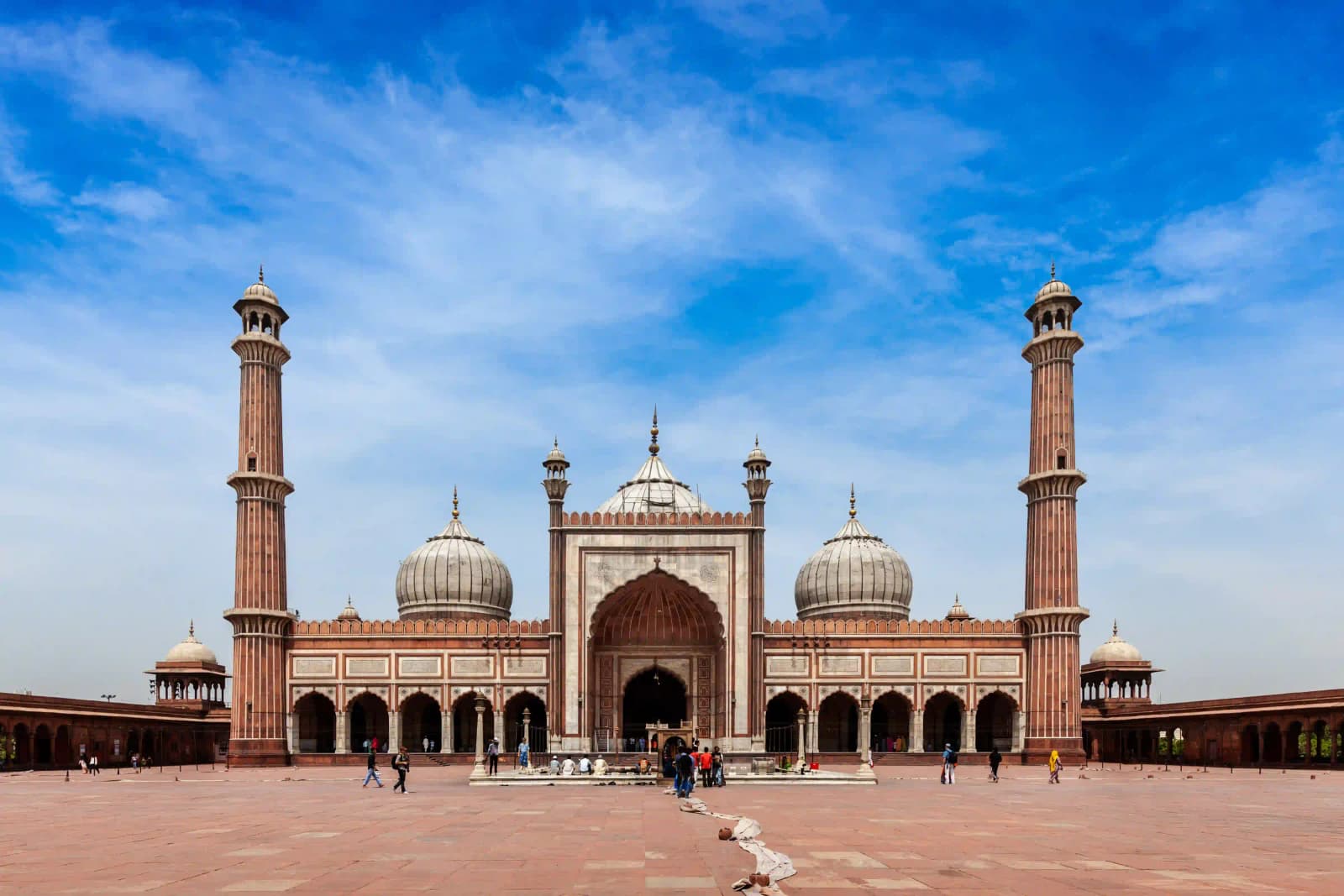
Begin your exploration in Old Delhi by visiting the Red Fort, Jama Masjid, and the bustling lanes of Chandni Chowk. A traditional rickshaw ride through these historic streets allows travelers to experience local markets, street food, and everyday life in one of India's oldest neighborhoods.
Continue your journey through New Delhi by visiting India Gate, Humayun's Tomb, Qutub Minar, Lotus Temple, and Rashtrapati Bhavan. These landmarks showcase India's architectural evolution across several centuries while offering excellent photography opportunities.
Delhi's food scene deserves equal attention. From butter chicken and kebabs to chole bhature and parathas, every meal introduces visitors to authentic North Indian flavors.
Experience the Magic of the Taj Mahal in Agra
No journey through North India feels complete without witnessing the breathtaking beauty of the Taj Mahal. Built by Emperor Shah Jahan in memory of his beloved wife Mumtaz Mahal, this white marble masterpiece remains one of the world's most admired architectural achievements.
The best time to visit the Taj Mahal is early in the morning, just after sunrise. During these peaceful hours, the monument appears especially beautiful as sunlight gradually changes the marble's color from soft pink to brilliant white.
Besides the Taj Mahal, Agra offers several remarkable attractions. Agra Fort provides insight into Mughal history through its magnificent palaces, audience halls, and gardens. Mehtab Bagh offers spectacular sunset views of the Taj Mahal from across the Yamuna River, while local marble workshops demonstrate traditional inlay craftsmanship passed down through generations.
Continue to Jaipur Through Fatehpur Sikri
The drive between Agra and Jaipur becomes even more memorable when you include a stop at Fatehpur Sikri. This UNESCO World Heritage Site served as Emperor Akbar's capital during the 16th century before being abandoned due to water shortages.
Visitors can explore magnificent structures including Buland Darwaza, Jama Masjid, Panch Mahal, Diwan-i-Khas, and the Tomb of Salim Chishti. Walking through this historic city provides fascinating insight into Mughal architecture and urban planning.
Upon arriving in Jaipur, you'll immediately notice the city's distinctive pink-colored buildings, which have become one of Rajasthan's defining features.
Explore Jaipur's Royal Heritage
Jaipur welcomes travelers with magnificent forts, royal palaces, colorful markets, and vibrant cultural traditions. Every corner of the city reflects Rajasthan's royal legacy.
Amber Fort sits majestically on a hilltop overlooking Maota Lake and remains one of India's finest examples of Rajput architecture. Inside, visitors admire beautifully decorated halls, intricate mirror work, elegant courtyards, and panoramic city views.
The iconic Hawa Mahal, with its hundreds of windows, once allowed royal women to observe street festivals without being seen. Nearby, the City Palace combines museums, royal residences, and beautifully landscaped courtyards.
Jantar Mantar, a UNESCO World Heritage Site, demonstrates remarkable astronomical knowledge through giant stone instruments that continue to function accurately centuries after construction.
Shopping enthusiasts will enjoy Johari Bazaar, Bapu Bazaar, and Tripolia Bazaar, where traditional textiles, gemstones, handicrafts, leather products, and souvenirs make excellent purchases.
Transportation Options
Planning transportation carefully ensures a comfortable journey throughout your trip.
Most travelers choose private air-conditioned vehicles with experienced drivers because they offer flexibility and door-to-door convenience. Others prefer India's extensive railway network, particularly the Gatimaan Express between Delhi and Agra.
Luxury buses and domestic flights are also available for certain segments, although road travel remains the most popular choice for those wishing to stop at attractions along the route.
Accommodation for Every Budget
Accommodation options range from affordable guesthouses to luxury heritage palaces.
Budget hotels provide clean rooms, Wi-Fi, and breakfast at economical prices. Mid-range properties offer comfortable facilities, restaurants, and excellent locations near major attractions. Luxury travelers can stay in restored palaces featuring world-class hospitality, spas, fine dining, and unforgettable architectural beauty.
Booking accommodations several weeks in advance is recommended during peak tourist season.
Local Cuisine You Should Try
Food becomes one of the highlights of any Indian journey.
Delhi offers Butter Chicken, Chole Bhature, Kebabs, and stuffed Parathas.
Agra is famous for Petha, Mughlai curries, and Bedai with Aloo Sabzi.
Jaipur introduces travelers to Dal Baati Churma, Laal Maas, Ghewar, Mirchi Vada, and Pyaz Kachori.
Sampling regional dishes adds another memorable dimension to your travel experience.
Practical Travel Tips
Carry valid identification, wear comfortable walking shoes, stay hydrated, and begin sightseeing early to avoid crowds and afternoon heat. Book Taj Mahal tickets online whenever possible and confirm opening hours before your visit, remembering that the monument remains closed every Friday.
Dress modestly when visiting religious sites, respect local customs, and keep sufficient cash alongside digital payment options for shopping and smaller establishments.
Hiring experienced local guides can significantly enrich your understanding of each destination's history and culture.
Why This Journey Is Perfect for Every Traveler
A Delhi Agra Jaipur Tour offers something for everyone. History enthusiasts admire centuries-old monuments, photographers capture stunning architecture, couples enjoy romantic views of the Taj Mahal, families experience diverse cultures, and food lovers discover authentic regional cuisine.
Excellent road connectivity, world-famous UNESCO World Heritage Sites, comfortable accommodations, and countless cultural experiences make this itinerary one of India's most rewarding travel adventures.
Whether you're planning your first visit to India or returning to explore more deeply, this iconic route promises unforgettable memories and a deeper appreciation of India's incredible heritage.
Conclusion
Planning a Delhi Agra Jaipur Tour with the Taj Mahal is one of the best ways to discover India's cultural, historical, and architectural treasures in a single journey. By choosing the right season, organizing transportation, booking accommodations early, and following a well-planned itinerary, travelers can enjoy a smooth and memorable vacation. From Delhi's bustling streets and Agra's timeless marble masterpiece to Jaipur's magnificent forts and colorful markets, every destination contributes something unique to the experience. If you're searching for an itinerary that combines history, culture, cuisine, and unforgettable sightseeing, this Golden Triangle adventure remains one of the finest travel experiences India has to offer.
Frequently Asked Questions
1. How many days are ideal for a Delhi Agra Jaipur Tour?
Five to six days are ideal for comfortably exploring the major attractions without rushing.
2. When is the best time to visit the Taj Mahal?
Sunrise offers the most pleasant weather, softer lighting, and fewer crowds.
3. Is this tour suitable for families?
Yes. The itinerary is family-friendly and suitable for travelers of all ages.
4. What is the best transportation option?
A private air-conditioned car with an experienced driver offers maximum flexibility and comfort.
5. Can the itinerary be customized?
Absolutely. Most tour operators can customize hotels, sightseeing, transportation, and additional destinations according to your budget and travel preferences.