
How to Plan a Taj Mahal and Jaipur Tour From Delhi?
How to Plan a Taj Mahal and Jaipur Tour From Delhi?
How to Plan a Taj Mahal and Jaipur Tour From Delhi?
Planning a Taj Mahal and Jaipur Tour from Delhi is a fantastic way to experience India's history, architecture, food, markets, and cultural diversity in one memorable journey. The route connects three of North India's most popular destinations: Delhi, Agra, and Jaipur. Delhi introduces you to a fascinating blend of ancient monuments and modern city life, Agra is home to the iconic Taj Mahal and impressive Mughal architecture, while Jaipur offers magnificent forts, royal palaces, colorful markets, and the distinctive culture of Rajasthan. Together, these destinations form the famous Golden Triangle tourist circuit.
The journey is relatively straightforward because Delhi, Agra, and Jaipur are connected by highways, railways, and organized tours. However, choosing the right order, transportation, hotel location, sightseeing schedule, and travel season can make a significant difference to your experience. You do not need to rush from one monument to another to see the highlights. With a little planning, you can create an itinerary that leaves enough time for sightseeing while still giving you opportunities to enjoy local food, shopping, photography, and relaxed evenings.
Why Start Your Trip From Delhi?
Delhi is one of the most convenient starting points for this journey because it has excellent domestic and international transportation connections. If you are flying into India, Delhi's Indira Gandhi International Airport is the natural arrival point for many international travelers. From Delhi, Agra is roughly a few hours away by road, while Jaipur can be reached comfortably by road or train.
Before leaving Delhi, consider spending at least one day exploring the city's major attractions. Depending on your interests, you could visit India Gate, Humayun's Tomb, Qutub Minar, the Red Fort, Jama Masjid, or the busy markets of Old Delhi. You can also use your first evening to settle into your hotel and prepare for the next day's journey.
If your holiday is short, you can start the Golden Triangle journey almost immediately after arriving in Delhi. If you have additional time, spending two days in Delhi will give you a much better understanding of the capital's history and culture.
How Many Days Do You Need?
A Taj Mahal and Jaipur Tour can technically be completed in three days, but four to six days is generally more comfortable. Your ideal duration depends on whether you want a fast sightseeing trip or a relaxed cultural holiday.
A three-day itinerary might involve Delhi to Agra on the first day, Agra to Jaipur on the second, and Jaipur sightseeing on the third. This works for travelers with very limited time, but the schedule can feel intense.
With four days, you can spend a night in Agra and two nights in Jaipur, allowing more time for sightseeing. Five or six days gives you the opportunity to explore Delhi properly as well and enjoy Jaipur without constantly checking the clock.
If possible, avoid planning every hour. Indian cities can be unpredictable, and road traffic, queues, weather, and unexpected stops can affect your schedule. Leaving some flexibility in your itinerary makes the trip considerably more enjoyable.
Best Time to Visit Agra and Jaipur
The season you choose can strongly affect your sightseeing experience. The cooler months from approximately October through March are generally favored by travelers visiting Delhi, Agra, and Jaipur because daytime sightseeing is more comfortable than during the intense summer heat.
Winter mornings can be quite cool, particularly in Delhi and Agra, so carrying a light jacket or warm layer is useful. Early mornings may also bring fog, particularly around northern India, which can occasionally affect visibility and transportation schedules.
April through June can become extremely hot. If you travel during these months, schedule outdoor sightseeing for early morning and late afternoon whenever possible, drink plenty of water, and avoid spending long periods in direct sunlight.
The monsoon period can bring rain and humidity, although the landscape may appear greener and tourist crowds can sometimes be lighter. Every season has advantages, but travelers who prioritize comfortable monument sightseeing usually prefer the cooler part of the year.
Delhi to Agra: Choosing the Best Transportation
The first major leg of the journey is Delhi to Agra. You have several choices, including train, private car, taxi, or organized tour.
For travelers who value speed, trains can be an excellent option. Several services connect Delhi and Agra, and the journey can be considerably faster than driving during periods of heavy road traffic. Train travel also provides an interesting opportunity to experience India's extensive railway network.
A private car is more flexible. You can leave when you want, stop for refreshments, and potentially combine sightseeing with the journey. This option is especially useful for families, couples, or groups traveling with luggage.
An organized private tour can be convenient if you do not want to arrange transportation, entrance tickets, guides, and hotels separately. Before booking, check exactly what the package includes. Some tours are designed around very tight schedules, while others provide considerably more flexibility.
Visiting the Taj Mahal
The Taj Mahal is naturally the centerpiece of your Agra visit. Built during the Mughal period by Emperor Shah Jahan, the monument is internationally recognized for its white marble architecture and association with the emperor's wife, Mumtaz Mahal.
Try to arrive early rather than treating the Taj Mahal as a quick stop between other attractions. Morning light can create beautiful conditions for photography, and arriving early may also help you avoid some of the day's heat and crowds.
Give yourself enough time to appreciate the monument rather than focusing entirely on getting the perfect photograph. Look at the marble inlay work, architectural symmetry, gardens, domes, arches, and details that are easy to overlook when you are standing in front of such a famous structure.
Remember to check official visiting rules and current opening arrangements before your trip because monument schedules, ticket procedures, security requirements, and visitor policies can change.
The Best Time for Taj Mahal Photography
Photography is one of the highlights of visiting the Taj Mahal, but the experience changes throughout the day. Early morning often provides softer light and a calmer atmosphere. The monument can also look dramatically different around sunrise, depending on weather and atmospheric conditions.
If photography is important to you, research the current opening time before your visit and plan to arrive with sufficient time for security checks. Avoid carrying unnecessary items because monument security procedures can restrict certain belongings.
Do not spend the entire visit looking through your phone or camera. Take a few photographs, then put the device away for a moment and simply experience the architecture. Some travel memories are better when they are not viewed entirely through a screen.
Explore Agra Beyond the Taj Mahal
Although the Taj Mahal is Agra's most famous attraction, it should not be your only stop. Agra Fort is an important historical site and provides a deeper look at the Mughal era. Its massive red sandstone walls, courtyards, halls, and views toward the Taj Mahal make it an excellent addition to your itinerary.
You can also explore other historical attractions and traditional handicraft areas depending on how much time you have. Agra is known for marble inlay work and other crafts, so shopping can be interesting if you purchase from reputable stores and compare prices before buying.
If you arrive in Agra early enough, consider exploring some attractions on the first day and visiting the Taj Mahal the following morning. This arrangement prevents you from trying to fit everything into a single exhausting day.
Agra to Jaipur: What to Expect
After exploring Agra, your next destination is Jaipur, the capital of Rajasthan. The journey from Agra to Jaipur can be completed by road or rail, and the best option depends on your itinerary and travel preferences.
A private vehicle offers the most flexibility, particularly if you want to stop at attractions along the way. One popular possibility is visiting Fatehpur Sikri, the historic Mughal-era city located near Agra. The complex contains impressive architectural remains and can add an additional historical dimension to the journey.
If you prefer to travel directly, a train can be convenient. Just remember to account for the time required to reach your hotel after arriving in Jaipur.
Once you reach Jaipur, give yourself some downtime. Travel days can be surprisingly tiring, especially when you are carrying luggage and moving between cities. A relaxed evening at a rooftop restaurant or a walk through a local market can be a better choice than immediately starting another major sightseeing session.
Planning Your Jaipur Sightseeing
Jaipur is often called the Pink City because of the distinctive color associated with many buildings in its historic areas. The city offers an entirely different atmosphere from Agra, with Rajasthani architecture, royal history, handicrafts, jewelry, textiles, and colorful bazaars.
Amber Fort should be high on your sightseeing list. Located outside the central part of Jaipur, the fort combines impressive hilltop scenery with ornate palaces, courtyards, gateways, and decorative architecture.
City Palace is another important attraction and offers insight into Jaipur's royal heritage. Jantar Mantar, the historic astronomical observatory, is located nearby and is particularly interesting if you enjoy science and history.
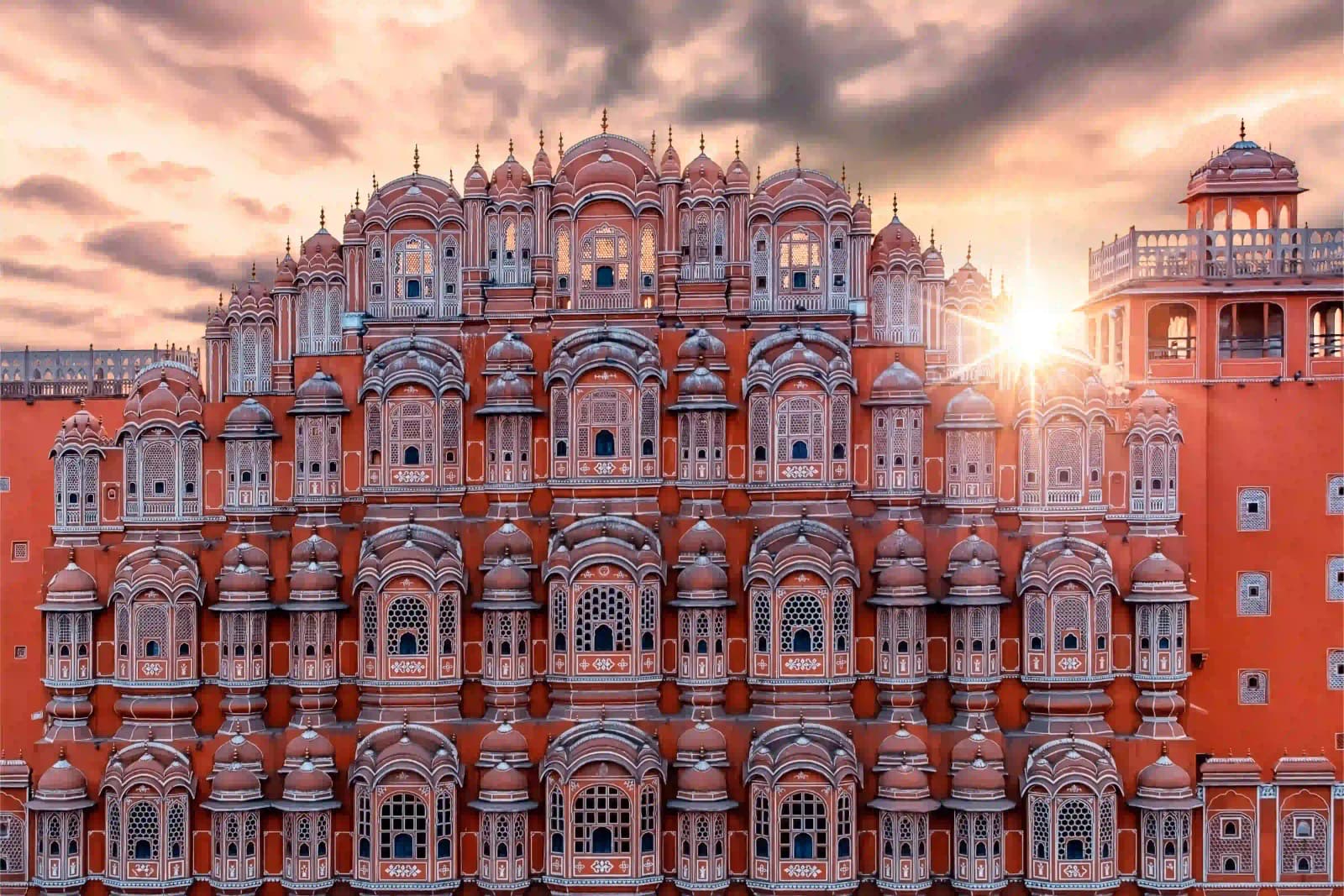
Hawa Mahal is one of Jaipur's most recognizable landmarks. Its elaborate facade makes it a popular photography location, particularly from viewpoints and cafes across the street.
Depending on your schedule, you can also explore Jal Mahal, local markets, Albert Hall Museum, and other attractions. Do not underestimate the amount of time required to move between sites, especially when traffic is busy.
A Comfortable Four-Day Itinerary
A practical Taj Mahal and Jaipur Tour itinerary can begin with arrival in Delhi. Spend the first day exploring selected Delhi attractions rather than attempting to see the entire city. Choose a few places that match your interests and keep the evening relatively relaxed.
On the second day, travel from Delhi to Agra. After checking into your hotel, visit Agra Fort and explore the city. If your schedule permits, you can also visit another nearby attraction before enjoying a relaxed evening.
On the third day, visit the Taj Mahal early in the morning and then return for breakfast. After checking out, travel toward Jaipur. Depending on your transportation and interests, you can consider stopping at Fatehpur Sikri along the route.
Spend the fourth day exploring Jaipur's major attractions, including Amber Fort, City Palace, Jantar Mantar, and Hawa Mahal. If your return journey allows it, finish your trip with some shopping in Jaipur's markets before departing for Delhi or continuing to another destination.
For travelers with five or six days, simply slow down this itinerary. Add another day in Delhi, another night in Jaipur, or additional time in Agra. The extra breathing room can transform a rushed sightseeing trip into a much more enjoyable vacation.
Where Should You Stay?
Hotel location matters almost as much as hotel quality. In Delhi, staying somewhere with convenient access to transportation can make your first and last days easier. In Agra, choosing accommodation within reasonable distance of the Taj Mahal can be helpful if you plan an early morning visit.
Jaipur offers a wide range of accommodation, from budget guesthouses to luxury heritage hotels. Staying in or near the historic city can make it easier to reach major attractions and explore local markets.
When comparing hotels, do not look only at the room price. Check recent guest reviews, transportation access, breakfast availability, cancellation policies, and whether taxes or additional charges are included.
A slightly more expensive hotel in a convenient location can sometimes save money and time because you spend less on transportation and lose fewer sightseeing hours.
Food to Try Along the Route
Food is an important part of this journey. Delhi is famous for its enormous variety, from street food to sophisticated restaurants. Depending on your preferences, you can try dishes such as chole bhature, kebabs, parathas, butter chicken, and a variety of regional Indian cuisines.
Agra has its own culinary specialties, including its famous petha sweet. Jaipur is particularly enjoyable for travelers who like Rajasthani cuisine. Dal baati churma, gatte ki sabzi, ker sangri, and traditional sweets are among the foods you may encounter.
When eating street food, choose busy establishments with high customer turnover and good hygiene practices. Travelers with sensitive stomachs should be especially cautious with untreated water, raw foods, and unfamiliar sauces.
How Much Should You Budget?
Your overall cost depends heavily on your hotel category, transportation, dining preferences, sightseeing choices, and whether you hire a private guide or driver.
Budget travelers can use trains, economical hotels, local transportation, and affordable restaurants. Mid-range travelers may prefer private transfers, comfortable three- or four-star hotels, and a mixture of local restaurants and tourist-friendly dining.
Luxury travelers can choose heritage properties, premium vehicles, private guides, and fine dining experiences.
Keep a separate allowance for entrance tickets, tips, shopping, bottled water, local transportation, and unexpected expenses. Exchange rates and ticket prices can change, so check current official prices before finalizing your budget.
What Should You Pack?
Packing for a Delhi-Agra-Jaipur journey does not require an enormous suitcase. Comfortable walking shoes are essential because many attractions involve considerable walking over uneven surfaces.
Pack clothing appropriate for the season, sunglasses, sunscreen, a reusable water bottle, personal medication, and basic toiletries. A light scarf can be useful for sun protection and visiting religious or culturally sensitive places.
A power bank can also be helpful during long sightseeing days. Keep digital and physical copies of important travel documents, hotel information, and transportation details.
If you are visiting during winter, include warm layers. During hot weather, lightweight breathable clothing is much more comfortable.
Practical Tips for a Smooth Journey
The biggest mistake travelers make is trying to do too much. Delhi, Agra, and Jaipur each deserve attention, and constantly rushing between attractions can leave you exhausted.
Book important transportation and accommodation in advance, particularly during popular travel periods. Confirm your hotel address and check-in arrangements before arriving in a new city.
If you hire a guide or driver, use a reputable company and clarify inclusions before beginning the journey. Ask whether tolls, parking, fuel, guide services, and entrance fees are included in the quoted price.
Keep some flexibility in your schedule as well. Traffic and weather can influence travel times, and allowing an extra buffer is far better than arriving stressed because your itinerary had no room for delays.
Most importantly, respect local customs and monument regulations. Dress appropriately when visiting religious sites, follow photography restrictions, and avoid touching or climbing protected structures.
Common Mistakes to Avoid
One common mistake is booking a one-day trip to Agra from Delhi and trying to combine it with an ambitious Jaipur visit immediately afterward. Although fast itineraries are possible, they can leave you with little time to appreciate either destination.
Another mistake is ignoring travel time. A map may make two places look close, but city traffic and attraction queues can significantly extend your day.
Some travelers also choose hotels based entirely on low prices. Saving a small amount on accommodation is not always worthwhile if the property is far from the attractions or difficult to reach.
Finally, do not assume that every attraction operates under identical opening hours throughout the year. Check official information shortly before traveling, especially for major monuments.
Conclusion
A well-planned Taj Mahal and Jaipur Tour from Delhi can be an unforgettable introduction to India's architectural and cultural heritage. The journey combines Mughal monuments, royal Rajasthani architecture, bustling markets, traditional cuisine, and the energy of India's capital into one compact travel experience.
The best itinerary is not necessarily the one that includes the greatest number of attractions. Instead, focus on sensible transportation, convenient accommodation, realistic sightseeing schedules, and enough free time to enjoy each destination. Give the Taj Mahal the attention it deserves, explore Agra beyond its most famous monument, and allow yourself time to discover Jaipur's forts, palaces, markets, and food.
Whether you are traveling as a couple, with family, with friends, or independently, planning ahead while keeping your schedule flexible will make the journey easier. Start in Delhi, experience Agra's extraordinary Mughal heritage, continue to Jaipur's royal landscapes, and return with more than photographs—you will have experienced three very different sides of North India.
FAQs
1. How many days are enough for a Delhi, Agra, and Jaipur trip?
Four to six days is a comfortable timeframe for most travelers. Three days can work for a fast itinerary, while five or six days allows more relaxed sightseeing and additional time in Delhi, Agra, or Jaipur.
2. What is the best way to travel from Delhi to Agra?
Both train and private car are practical choices. Train travel can be convenient for travelers prioritizing speed, while a private car provides greater flexibility for sightseeing and stops along the route.
3. Can I visit the Taj Mahal and Jaipur in three days?
Yes, but the itinerary will be fast-paced. You can travel from Delhi to Agra, visit the Taj Mahal, continue to Jaipur, and explore the city's major attractions, but extending the trip to four or more days will make the experience more comfortable.
4. What is the best season for this trip?
The cooler months, particularly from October through March, are generally popular for sightseeing because temperatures are more comfortable than during the hottest part of the year. Always check current weather conditions before traveling.
5. Should I book a private car for the entire journey?
A private car is worth considering if you value flexibility, especially for families or groups. It allows you to control departure times and make stops along the route, although trains can be an excellent alternative for travelers who prefer rail transportation.