
How to Visit Taj Mahal from Delhi in One Day by Car?
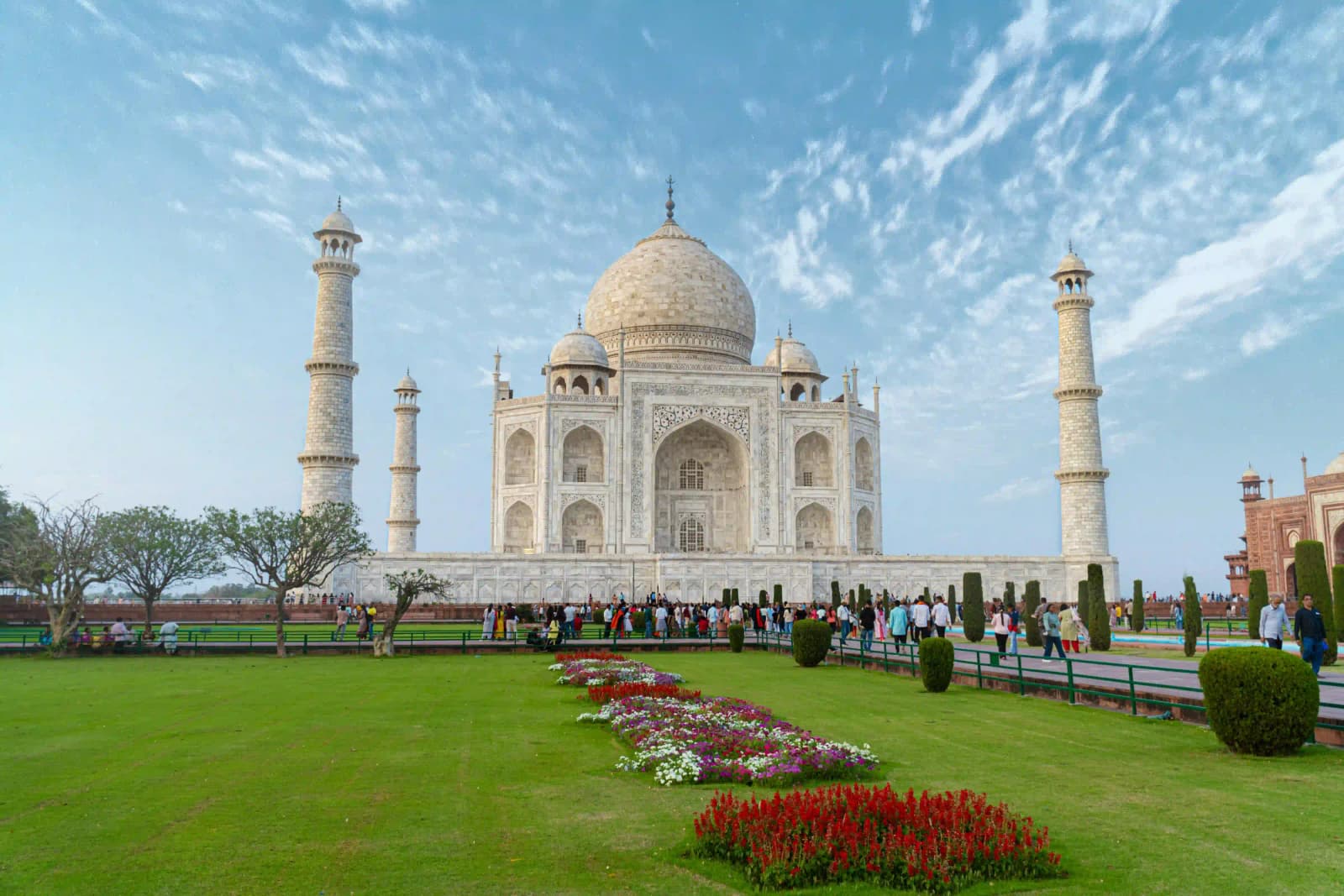
How to Visit Taj Mahal from Delhi in One Day by Car?
How to Visit Taj Mahal from Delhi in One Day by Car?
Planning a Taj Mahal from Delhi day trip by car is one of the most convenient ways to explore Agra without staying overnight. The journey is straightforward, especially because Delhi and Agra are connected by the Yamuna Expressway, a modern highway that makes road travel considerably easier than it once was. With an early start, you can reach Agra in the morning, visit the Taj Mahal, explore Agra Fort, enjoy lunch, see another attraction if time permits, and return to Delhi in the evening. A private car also gives you flexibility that fixed public transport schedules cannot provide. You can choose your departure time, stop for refreshments, leave your luggage safely in the vehicle, and spend more or less time at each attraction according to your interests. For first-time visitors, this flexibility can make a major difference because Agra has several historic places worth seeing beyond the Taj Mahal. The key to making the trip comfortable is simple: start early, plan your sightseeing in the right order, allow extra time for traffic and security checks, and avoid trying to squeeze too many attractions into one day.
Delhi to Agra by Car: Distance and Travel Time
The road distance between central Delhi and Agra is roughly 230 kilometres, although the exact distance depends on your starting point in Delhi and the route your driver takes. Under normal traffic and road conditions, the journey can take around 3.5 to 5 hours, with the Yamuna Expressway generally being the preferred route for a private-car day trip. Your actual travel time can change because of your pickup location, traffic leaving Delhi, weather, road conditions, toll plazas, and breaks. This is why it is better to think in terms of a time window rather than assuming that the drive will always take exactly three or four hours.
For a one-day visit, leaving Delhi around 5:00 or 5:30 AM is a sensible strategy. An early departure helps you avoid some of the heavier morning traffic and gives you more sightseeing time after reaching Agra. If you leave much later, the trip can quickly become rushed, particularly because the Taj Mahal has specific opening hours and is closed to visitors on Fridays. Before setting off, confirm the monument's current opening arrangements, especially if your trip falls on a public holiday or during a special event.
Best Route from Delhi to Agra
For most travelers, the Yamuna Expressway is the most practical road route between Delhi and Agra. The expressway provides a relatively direct connection and has toll charges, so make sure your driver includes these expenses in the quoted fare or carries the appropriate payment method. If you are hiring a private cab, ask whether the package includes fuel, tolls, parking, driver charges, and interstate taxes where applicable. A surprisingly cheap quotation can become more expensive later if several of these costs are excluded.
Your driver can use navigation applications to select the most appropriate route according to current road conditions. Rather than concentrating only on the fastest route, consider where you are staying in Delhi and where you want to finish your sightseeing in Agra. A good driver familiar with Agra can also help with parking arrangements and local access restrictions around major monuments. Remember that private vehicles may not be allowed right next to the Taj Mahal entrance, so you should expect to walk or use an approved local transport option for the final portion of the journey.
What Time Should You Leave Delhi?
If you want to make the most of a Taj Mahal from Delhi day tour, an early morning departure is essential. A pickup around 5:00 AM gives you a useful buffer for the journey and can allow you to reach Agra in time for the morning sightseeing period. Starting early is particularly helpful during weekends, holidays, and peak tourist seasons when roads and monuments can become considerably busier.
The early start may feel difficult when you are leaving your hotel before sunrise, but the payoff is valuable. You can arrive before the day's heat becomes intense, spend more relaxed time around the monument, and still have enough time for Agra Fort and lunch. Carry water and a light snack for the journey rather than depending entirely on roadside stops. If you are traveling with children, older family members, or anyone who finds long drives tiring, schedule a short break along the way.
One-Day Taj Mahal Itinerary from Delhi
A practical itinerary begins with an early departure from Delhi. Leave around 5:00 AM, drive toward Agra via the Yamuna Expressway, and plan to arrive in the city during the morning. Once you reach Agra, head directly toward the Taj Mahal rather than spending too much time at breakfast. You can have breakfast on the road or eat after visiting the monument, depending on your schedule.
Allow approximately two to three hours for the Taj Mahal experience. This gives you enough time to enter the complex, walk through the gardens, appreciate the architecture, take photographs, and visit the main areas without constantly checking the clock. If you want to explore the monument in greater historical depth, hiring a licensed local guide can make the visit more informative. A guide can explain the Mughal architecture, construction history, symbolism, and stories associated with the monument.
After the Taj Mahal, continue to Agra Fort. The fort is located relatively close to the Taj Mahal and can usually be explored in around one to two hours. Its massive walls, courtyards, palaces, halls, and views toward the Taj Mahal provide a completely different perspective on Agra's Mughal history.
After sightseeing, take a lunch break before deciding whether you have enough time for another attraction. Depending on your schedule, you could visit Mehtab Bagh, Itmad-ud-Daulah, or explore a local handicraft area. Keep your return journey in mind, though. The objective of a day trip is to enjoy Agra rather than turn the entire day into a race between monuments.
Visiting the Taj Mahal: Entry and Security Tips
The Taj Mahal is one of India's most visited monuments, so entrance procedures can take time, particularly during busy periods. Security checks are conducted before entry, and visitors should avoid carrying unnecessary items. Large bags, food, tobacco products, and certain other belongings may be restricted, so check the latest official visitor guidelines before your trip.
Wear comfortable footwear because you will be doing a considerable amount of walking. Depending on the area you enter, you may also need to follow specific instructions regarding footwear or protective coverings. Dress comfortably according to the season, because Agra can become very hot during summer and noticeably cool during winter mornings.
Photography is an important part of the experience for many travelers, but avoid allowing photographs to dominate your visit. The Taj Mahal is more impressive when experienced as architecture rather than simply as a backdrop for pictures. Spend a few minutes looking at the symmetry of the complex, the marble details, the gardens, and the changing appearance of the monument under natural light.
Explore Agra Fort After the Taj Mahal
Agra Fort deserves a place on almost every one-day itinerary. While the Taj Mahal is the city's most famous landmark, Agra Fort provides a broader understanding of the Mughal era and the historical importance of Agra. The enormous red sandstone complex contains palaces, audience halls, courtyards, mosques, and royal residences built and expanded by several Mughal rulers.
One of the most memorable aspects of Agra Fort is the view toward the Taj Mahal from certain sections of the complex. The relationship between the two monuments helps put Agra's imperial history into perspective. Instead of viewing the Taj Mahal as an isolated monument, you begin to understand how it formed part of a much larger royal landscape.
Plan to spend at least an hour exploring the fort, although history enthusiasts may want considerably longer. Comfortable shoes are particularly useful here because the complex involves plenty of walking over uneven surfaces.
Where to Have Lunch in Agra
After visiting two major monuments, lunch is a welcome break. Agra offers restaurants ranging from casual local establishments to hotels and more polished dining venues. Popular local dishes include Mughlai-style preparations, kebabs, breads, and the city's famous petha sweet.
Choose a restaurant based on hygiene, reviews, location, and the amount of time available rather than selecting a place simply because a driver or shopkeeper recommends it. If your return to Delhi is time-sensitive, a restaurant close to your next sightseeing stop can save valuable minutes.
Travelers with sensitive stomachs should be cautious about unfamiliar street food during a short trip. A one-day journey already involves considerable driving, so an unexpected stomach problem can quickly turn an enjoyable excursion into an uncomfortable one.
Should You Visit Mehtab Bagh?
Mehtab Bagh can be a good optional addition if your schedule allows. Located across the Yamuna River from the Taj Mahal, the garden is particularly associated with views of the monument from the opposite side. It offers a different photographic perspective and a quieter environment than the main Taj Mahal complex.
However, you should not feel obligated to include every attraction. If your Taj Mahal visit and Agra Fort experience have already taken most of the afternoon, heading back toward Delhi may be the wiser option. One of the most common mistakes on day trips is adding too many stops and then spending the final part of the journey exhausted.
Best Season for a Delhi-to-Agra Road Trip
The cooler months are generally more comfortable for sightseeing in Agra because walking around large monuments in intense summer heat can be tiring. October through March is commonly preferred by travelers for outdoor sightseeing, although winter mornings can sometimes bring fog, particularly in northern India. Fog can affect road visibility and may slow your journey, so leave extra time when traveling during winter.
Summer can be extremely hot in Agra, particularly around midday. If you travel during the hotter months, an early start becomes even more valuable. Try to complete your outdoor sightseeing before the strongest afternoon heat and keep drinking water throughout the day.
The monsoon season can bring rain and humid conditions, but it also has its own atmosphere. Weather conditions can change quickly, so checking the forecast before leaving Delhi is a useful part of your preparation.
How Much Does a One-Day Car Trip Cost?
The cost of a Delhi-Agra day trip depends on the vehicle type, pickup location, season, number of passengers, driver, and services included in the package. A compact sedan will generally cost less than a larger SUV, while premium vehicles can cost considerably more. When comparing cab operators, do not look at the headline price alone.
Ask specifically whether the quoted amount includes fuel, tolls, parking, driver allowance, taxes, and any waiting charges. Some operators advertise an attractive base fare and then add additional costs later. Getting the complete price in writing before departure makes the arrangement much easier.
You should also budget separately for monument tickets, meals, guide charges if you want one, local transportation near the Taj Mahal, and personal shopping. Official monument ticket prices and visitor rules can change, so check the current Archaeological Survey of India or official tourism information before your trip rather than relying on an old blog post.
Private Car vs Train for a Day Trip
A car provides flexibility, while a train can sometimes provide a faster and more predictable journey between Delhi and Agra. The right option depends on your priorities. Travelers who value convenience, hotel pickup, flexibility, and door-to-door transportation often prefer a private car. Families and small groups may also find a car particularly convenient because everyone can travel together.
A train can be attractive when you want to avoid road traffic and prefer a fixed timetable. However, once you arrive at Agra railway station, you still need local transportation to reach the monuments. With a private car, your vehicle remains available throughout the day, which can make moving between attractions simpler.
For travelers specifically interested in a road-trip experience, driving also provides the freedom to stop for refreshments or adjust the itinerary. Just remember that the return drive is long, so selecting a reliable driver matters.
What Should You Carry?
Keep your day-trip luggage light. A small backpack containing identification, phone, charger or power bank, sunglasses, sunscreen, water, tissues, and necessary medicines should be sufficient for most travelers. Comfortable shoes are more important than carrying extra clothing because you will spend a significant amount of time walking.
Carry some cash as a backup even if you normally use digital payments. Network connectivity can vary, and small vendors or transportation providers may not always accept every payment method. Keep important documents secure and avoid leaving valuables unattended in the car.
If you are traveling with children, pack snacks and any essentials they normally need during a long day outside. A little preparation at the beginning can prevent several inconveniences later.
Common Mistakes to Avoid
The biggest mistake on a Taj Mahal from Delhi trip is leaving Delhi too late. A late departure can compress your sightseeing schedule and leave you with little flexibility if traffic slows the journey. Another mistake is visiting too many attractions simply because they appear close together on a map. Agra's monuments may be geographically manageable, but parking, security, walking, and traffic all consume time.
Do not schedule your return to Delhi immediately after the final attraction. Give yourself a reasonable buffer because road conditions are unpredictable. If you have a flight, train, business appointment, or other important commitment in Delhi, an overnight stay in Agra may actually be more practical than attempting a tightly timed return.
Finally, confirm the Taj Mahal's weekly closure before booking your trip. A beautifully planned itinerary is useless if your selected sightseeing day does not permit entry.
Why a One-Day Agra Trip Works
A well-planned Taj Mahal from Delhi excursion can give you a satisfying introduction to Agra in a single day. The secret is not trying to see everything. Concentrate on the Taj Mahal and Agra Fort, enjoy a proper meal, add one optional attraction if time permits, and leave enough space for the return drive.
The journey is much easier when you treat the day like a carefully paced road trip rather than a checklist. Start early, keep your itinerary realistic, confirm current monument information, and choose a trustworthy cab operator. With those basics handled, you can spend your energy appreciating the architecture, history, food, and atmosphere instead of worrying about logistics.
Conclusion
A Taj Mahal from Delhi by car is an achievable one-day experience for travelers who plan their timing carefully. The combination of the Yamuna Expressway, private transportation, and Agra's compact cluster of major attractions makes the journey practical for couples, families, friends, and international visitors. Begin early from Delhi, visit the Taj Mahal first, explore Agra Fort, enjoy lunch, and consider Mehtab Bagh or another attraction only if your schedule comfortably allows it.
The most important thing is to leave room for reality. Traffic, security checks, crowds, weather, and road conditions can all affect your timetable. Confirm the Taj Mahal's current opening arrangements and ticket information before traveling, especially because official rules and prices can change. With a comfortable car, an experienced driver, sensible expectations, and an early start, your one-day Agra adventure can be both efficient and memorable.
FAQs
1. Can I visit the Taj Mahal from Delhi and return on the same day?
Yes. A same-day road trip is practical because Delhi and Agra are connected by the Yamuna Expressway. Leaving early in the morning gives you enough time to visit the Taj Mahal, Agra Fort, have lunch, and potentially see another attraction before returning to Delhi.
2. How many hours should I spend at the Taj Mahal?
Most visitors should allow around two to three hours for a comfortable visit, although the ideal duration depends on whether you want photographs, detailed historical information, or a slower exploration of the complex. Crowds and security procedures can also affect the total time.
3. Is it better to hire a private car or take a train from Delhi?
Both options have advantages. A private car offers door-to-door convenience and flexibility between Agra attractions, while a train can reduce the time spent on the road. For families or travelers who want to control their itinerary, a private car can be particularly convenient.
4. What other places can I visit in Agra in one day?
Agra Fort is the most natural addition to a Taj Mahal itinerary. If you have additional time, you can consider Mehtab Bagh, Itmad-ud-Daulah, or other local attractions. Avoid adding too many stops because you also need sufficient time for the return journey to Delhi.
5. What is the best time to leave Delhi for Agra?
Leaving around 5:00 AM is a practical choice for many day travelers. An early departure helps maximize sightseeing time and can reduce exposure to heavier traffic. Always allow additional time for unexpected delays, particularly during weekends, holidays, winter fog, or adverse weather.