
Is a Taj Mahal Sunrise Tour from Delhi Worth It?
Is a Taj Mahal Sunrise Tour from Delhi Worth It?
Is a Taj Mahal Sunrise Tour from Delhi Worth It?
If you are visiting Delhi and have never seen the Taj Mahal, a sunrise trip to Agra can be one of the most memorable day trips you can add to your India itinerary. The idea sounds simple: leave Delhi before dawn, travel to Agra, watch the morning light appear over one of the world's most recognizable monuments, explore the city, and return to Delhi before the day is over. But is waking up extremely early and spending several hours on the road actually worth it? For many travelers, the answer depends on what they value most—beautiful light, fewer crowds, cooler temperatures, efficient sightseeing, or simply the chance to experience the Taj Mahal in a special setting.
A Taj Mahal Sunrise Tour is particularly attractive for travelers with limited time in India. Rather than staying overnight in Agra, you can organize a carefully planned day trip from Delhi and see the Taj Mahal during the morning before visiting other important attractions. The experience can be tiring, especially if you are not comfortable with early mornings, but good transportation and realistic scheduling make a significant difference. If you plan the journey around the monument's opening time instead of treating the sunrise as an afterthought, the day can feel surprisingly smooth.
Why Visit the Taj Mahal at Sunrise?
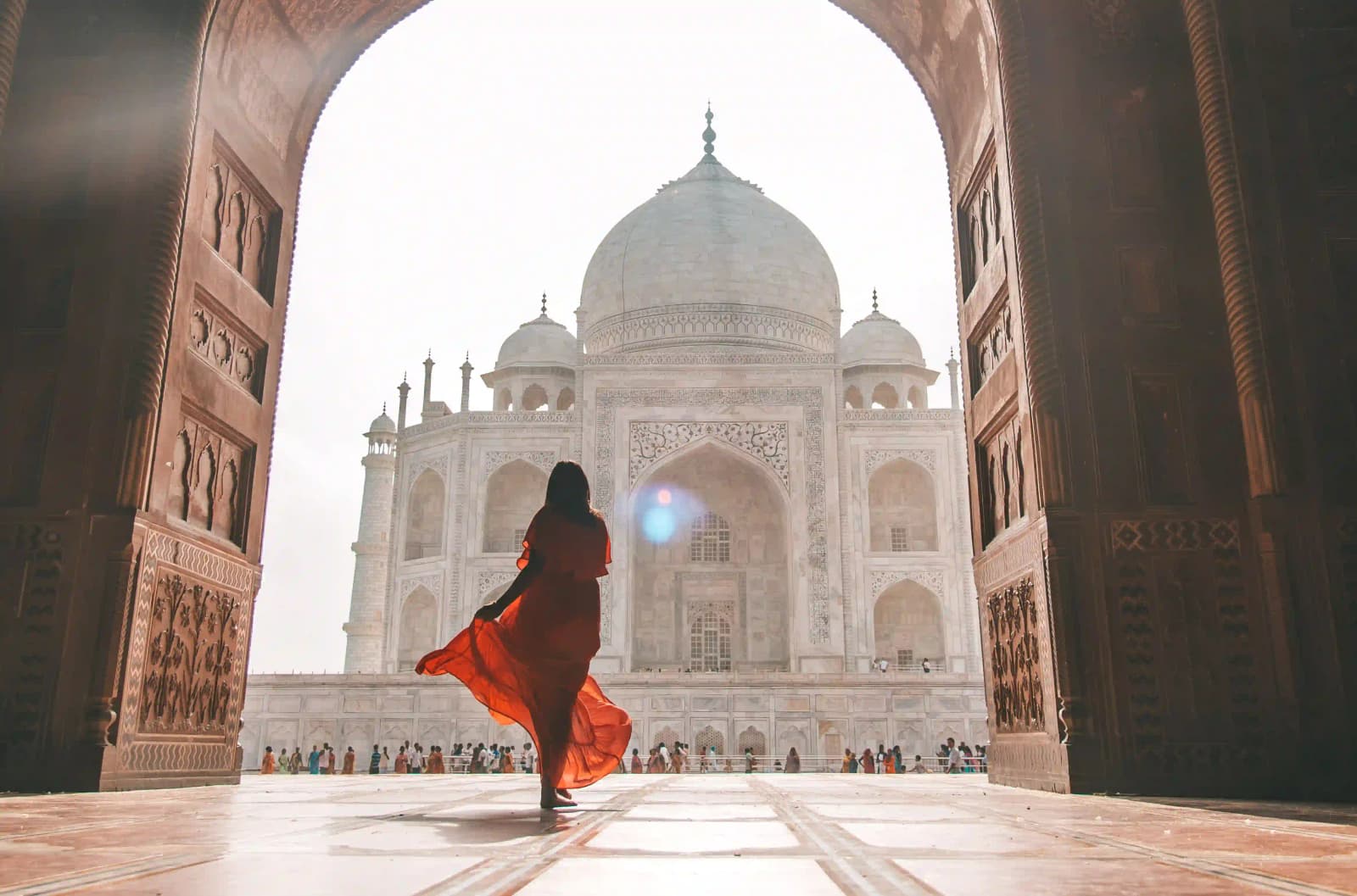
The Taj Mahal looks impressive at almost any hour, but early morning offers a different atmosphere. Sunrise brings softer natural light, cooler temperatures, and a quieter beginning to the sightseeing day. As the sun rises, its changing light interacts with the white marble, creating subtle variations in the appearance of the monument. One moment the building may look almost silver, while minutes later it can take on warmer tones.
The gardens surrounding the Taj Mahal also contribute to the experience. The long reflecting pool leading toward the monument creates the familiar symmetrical view that appears in countless photographs. Early morning light can make this composition particularly attractive because shadows are generally softer than they are under strong midday sunlight.
There is also a psychological advantage to arriving early. Instead of reaching Agra after a long morning and immediately facing the busiest part of the tourist day, you begin your sightseeing while the city is still waking up. That sense of calm can make the visit feel less rushed.
Of course, sunrise does not guarantee an empty monument. Other visitors deliberately choose the same time for exactly the reasons you do. Weather, season, holidays, and visitor numbers can also influence how crowded the complex feels. Still, an early visit is often chosen by travelers who want to maximize their time and avoid the hottest part of the day.
The Journey from Delhi to Agra
The distance between Delhi and Agra is approximately 230 kilometers by road, although the actual journey time varies according to your starting point, traffic, route, and vehicle. The Yamuna Expressway provides a major road connection between the two cities, making the trip considerably more straightforward than many first-time visitors expect.
The biggest challenge is not necessarily the distance. It is the departure time.
To see the Taj Mahal close to sunrise, you need to leave Delhi very early. Depending on your hotel location and transportation arrangements, that can mean departing during the middle of the night. This is why a sunrise excursion is best suited to travelers who are comfortable sacrificing some sleep for the experience.
Private cars and taxis provide flexibility because you can leave according to your preferred schedule and potentially stop for breakfast on the way back. Train travel can also be an efficient option, but you need to select a service that fits the timing of the Taj Mahal's opening hours and your overall itinerary.
For travelers who prefer convenience, an organized tour can simplify the logistics. A good tour normally handles transportation and provides a planned sightseeing schedule, allowing you to concentrate on the experience rather than navigating unfamiliar roads before dawn.
Is the Early Start Really Worth It?
This is the question most travelers should ask before booking. A sunrise excursion is not automatically the right choice for everyone.
If you love photography, historic architecture, cultural landmarks, and efficient itineraries, getting up early may be a small price to pay. The combination of morning light and relatively comfortable temperatures can make sightseeing more pleasant. You can also finish the Taj Mahal visit relatively early and continue to another attraction before returning to Delhi.
For families with young children, older travelers, or anyone who struggles with sleep deprivation, the calculation may be different. An extremely early departure followed by several hours of sightseeing and a return journey can make the day exhausting. In that situation, staying overnight in Agra may provide a more relaxed experience.
The same applies if your Delhi itinerary is already packed. If you have several important activities planned the evening before and the day after your Agra trip, losing sleep could affect your entire schedule.
Think of the journey as a trade-off. You exchange a few hours of sleep for an early experience at one of India's most famous landmarks. For many visitors, that is a worthwhile exchange. For others, a slower morning and overnight stay make more sense.
What to Expect When You Arrive at the Taj Mahal
Once you reach Agra, allow enough time to complete the approach to the Taj Mahal, security procedures, ticketing requirements, and the walk toward the monument. Entry procedures and visitor regulations can change, so checking official information close to your travel date is sensible.
The Taj Mahal complex itself is more than a single building. The central mausoleum is the obvious focal point, but the surrounding garden, gateway, mosque, guesthouse, decorative elements, and architectural details all contribute to the overall experience.
Take your time rather than immediately heading for the most famous photograph. Look closely at the marble inlay work, geometric designs, carved screens, and architectural symmetry. The closer you get to the building, the more details become visible.
This is one reason an early arrival can be valuable. If you have planned enough time, you do not need to rush through the complex simply because you have another attraction waiting.
Photography is permitted in many areas, subject to the site's rules and restrictions. However, visitors should always follow current instructions concerning photography, bags, food, footwear, and access to particular areas.
The Beauty of the Taj Mahal in Morning Light
The Taj Mahal's reputation is so enormous that first-time visitors sometimes wonder whether the real monument can possibly match the photographs. Seeing it in person answers that question in a very different way.
Its scale becomes easier to appreciate when you stand in the garden and look directly toward the central dome. The four minarets frame the main structure, while the long water channel creates a visual axis through the complex.
Morning light adds another layer. Because the Taj Mahal is built primarily from white marble, its appearance changes according to the surrounding light and weather. Clear skies can produce crisp architectural details, while haze can create a softer and more atmospheric scene.
This is especially relevant during cooler months, when fog or haze around Agra can affect visibility. Some mornings may offer dramatic atmospheric conditions, while others may provide clearer views. Weather is one element that no tour operator can control, so visitors should approach sunrise photography with realistic expectations.
What Else Can You See in Agra?
One advantage of traveling from Delhi early is that you can potentially visit more than the Taj Mahal.
Agra Fort is an obvious addition. Located relatively close to the Taj Mahal, this enormous historic fort complex offers a different perspective on Mughal architecture and history. From certain areas of the fort, visitors can also see the Taj Mahal across the Yamuna River.
The contrast between the two sites is fascinating. The Taj Mahal is associated primarily with the mausoleum and its gardens, while Agra Fort provides a much broader look at imperial architecture, defensive structures, courtyards, palaces, and historical spaces.
Depending on your schedule, you may also consider visiting another local attraction or stopping for lunch before beginning the journey back to Delhi. However, it is better to choose a realistic itinerary rather than attempting to visit every possible attraction.
A rushed day can turn an enjoyable excursion into a checklist. Two or three well-planned stops are often more satisfying than trying to squeeze six attractions into a single day.
How Long Should You Spend at the Taj Mahal?
There is no universal answer because travelers have different interests. Someone who primarily wants the iconic photograph may be satisfied with a shorter visit, while an architecture enthusiast could easily spend much longer examining the details.
For a first-time visitor, allowing around two to three hours for the Taj Mahal complex can provide a comfortable balance. This gives you time to walk through the gardens, see the main monument, take photographs, and appreciate the surrounding structures without feeling that every minute is scheduled.
If you are traveling with a professional guide, the visit may also include historical explanations about the Mughal period, the construction of the monument, its design, and the traditions surrounding the complex.
A guide can be especially useful if you enjoy understanding what you are seeing rather than simply photographing it. The Taj Mahal is visually spectacular, but knowing the historical and architectural context can make the visit considerably richer.
Best Time of Year for a Sunrise Visit
The experience can vary significantly depending on the season.
The cooler months are popular because temperatures are generally more comfortable for sightseeing. However, winter mornings in Agra can sometimes be affected by fog or haze, which may reduce visibility around sunrise.
Spring and autumn can offer a comfortable compromise between weather and sightseeing conditions, although exact conditions vary from year to year.
Summer can be considerably hotter, making the early morning particularly appealing. Arriving before temperatures climb can help you enjoy the outdoor portions of the visit more comfortably.
The monsoon period can bring clouds and rain, which may change the atmosphere and photography conditions. Some travelers enjoy dramatic skies, while others prefer clearer weather.
There is no single month that guarantees perfect conditions. If sunrise photography is your priority, flexibility and realistic expectations are more useful than assuming a particular date will automatically produce an ideal sky.
Is a Sunrise Tour Good for Families?
Families can certainly enjoy an early Taj Mahal visit, but the departure time deserves careful consideration.
Children may find the monument fascinating, especially if the trip is presented as an adventure rather than simply another historical site. However, waking children in the middle of the night, completing a long road journey, and then walking around a large complex can be challenging.
Parents should consider their children's normal sleeping schedules and tolerance for long journeys. Bringing water, appropriate clothing, snacks for the journey, and comfortable footwear can make the day easier.
Older family members may also appreciate the cooler morning conditions, although the amount of walking should be considered when planning the itinerary.
For multigenerational groups, a private vehicle can provide additional flexibility. You can adjust the schedule, take breaks, and avoid the pressure of keeping up with a large tour group.
Is a Sunrise Tour Good for Couples?
For couples, the early start can create a memorable shared experience. Watching the Taj Mahal gradually become illuminated by the morning sun is naturally suited to travelers looking for a special moment during an India trip.
A private Taj Mahal Sunrise Tour can also give couples greater control over the pace of the day. Instead of following a fixed group schedule, they can spend more time photographing the monument, exploring Agra Fort, stopping for breakfast or lunch, and returning to Delhi when convenient.
That flexibility can be particularly valuable if the trip is part of a honeymoon or anniversary itinerary.
However, couples should still remember that the Taj Mahal is a major international attraction. Sunrise does not mean complete privacy, and popular photography locations can still have other visitors.
What Should You Bring?
Preparing properly can make a surprisingly large difference to your comfort.
Wear comfortable shoes because you will spend a significant amount of time walking. Clothing should also suit the season, particularly if you are visiting during a chilly winter morning or a hot summer period.
Carry the identification and booking information required for your entry arrangements. Keep your belongings manageable because security restrictions can apply, and certain items may not be permitted inside the monument complex.
A phone or camera is useful, but do not allow photography to dominate the entire visit. Some of the most memorable moments come from simply standing in the garden and observing the architecture without looking through a screen.
Sunglasses, sunscreen, water, and a light jacket can also be useful depending on the season. If you are traveling from Delhi in the middle of the night, having a small travel pillow or something comfortable for the vehicle can make the return journey easier.
How to Make the Delhi-to-Agra Trip Smoother
Good planning is what separates a rewarding sunrise excursion from an exhausting one.
Start by deciding whether you want private transportation, a train, or an organized tour. Each option has different advantages. Private transportation provides flexibility, while trains can reduce the amount of time spent on the road. Organized tours are convenient for travelers who would rather leave the logistics to someone else.
Next, check the Taj Mahal's current opening schedule and visitor rules shortly before traveling. Official timings, ticket procedures, and restrictions can change, so information from an old travel blog may not always reflect current conditions.
You should also avoid scheduling your return to Delhi too tightly. Road conditions, traffic, sightseeing delays, meals, and unexpected circumstances can all affect the timetable.
Finally, remember that the purpose of the trip is to enjoy Agra rather than win a race against the clock. Build some breathing room into the itinerary.
Is a Taj Mahal Sunrise Tour from Delhi Worth It?
For travelers with limited time, a sunrise excursion from Delhi can be an efficient way to experience one of India's most famous landmarks. The early departure is undeniably demanding, but it offers several practical benefits: cooler sightseeing conditions, beautiful morning light, and the opportunity to complete your main visit before the day becomes busy.
The trip is particularly attractive for first-time visitors who want to see the Taj Mahal without dedicating several days to Agra. Combining the Taj Mahal with Agra Fort can turn the excursion into a meaningful introduction to the city's Mughal heritage.
On the other hand, travelers who dislike early mornings or prefer slow-paced holidays may find an overnight stay in Agra more enjoyable. There is no requirement to see the Taj Mahal at sunrise for the visit to be worthwhile. The monument remains extraordinary throughout the day.
Ultimately, the value of a Taj Mahal Sunrise Tour comes down to your priorities. If you are willing to wake early in exchange for a beautiful morning experience and an efficient day trip, it can be an excellent addition to a Delhi itinerary. If rest and a relaxed schedule matter more, consider staying in Agra and visiting at a time that fits your rhythm.
Conclusion
A sunrise visit to the Taj Mahal from Delhi combines adventure, history, architecture, and efficient travel into one memorable day. Yes, the alarm may ring at an uncomfortable hour, and the journey can be tiring, but arriving in Agra while the morning is still beginning creates an experience that feels distinctly different from a typical midday sightseeing trip.
The soft light, cooler temperatures, impressive Mughal architecture, and possibility of combining the Taj Mahal with Agra Fort make the effort worthwhile for many travelers. Careful planning is essential, particularly when choosing transportation and allowing enough time for unexpected delays.
If you have only one day available for Agra, an early start gives you the opportunity to see a great deal without requiring an overnight stay. Just remember that the best itinerary is not necessarily the one with the most attractions. Give yourself enough time to actually experience the Taj Mahal, take in its details, and enjoy the journey rather than simply checking it off your list.
FAQs About a Taj Mahal Sunrise Visit
1. How early should I leave Delhi for the Taj Mahal?
The exact departure time depends on your transportation, hotel location, traffic, and the Taj Mahal's opening time on your travel date. Travelers aiming for sunrise generally need to leave Delhi during the early morning hours, so planning backward from the desired arrival time is the safest approach.
2. Can I visit the Taj Mahal and return to Delhi on the same day?
Yes. Agra is commonly visited as a day trip from Delhi. With an early start, you can visit the Taj Mahal, explore another major attraction such as Agra Fort, have a meal, and return to Delhi the same day.
3. Is the Taj Mahal open every day?
The Taj Mahal's regular visitor schedule includes most days of the week, but it is closed to general visitors on Fridays. Always verify the current official schedule before planning your trip, particularly around special dates or holidays.
4. Is sunrise better than sunset at the Taj Mahal?
They offer different experiences rather than one universally superior option. Sunrise can provide cooler temperatures and soft morning light, while sunset can create different colors and atmospheric conditions. Your choice should depend on your schedule, photography preferences, and tolerance for an early start.
5. Should I book a private tour or travel independently?
Both approaches can work. Independent travel provides more control over timing and stops, while a private or organized tour can simplify transportation, tickets, guiding, and itinerary planning. The better fit depends on how much convenience and flexibility you want during the trip.