
Taj Mahal Tour with Agra Fort & Baby Taj
Taj Mahal Tour with Agra Fort & Baby Taj
The city of Agra is home to some of India's most treasured historical landmarks, making it one of the country's most visited travel destinations. While the Taj Mahal is undoubtedly the crown jewel of Agra, the city offers much more than just this iconic monument. A well-planned Taj Mahal Tour allows travelers to explore not only the breathtaking white marble mausoleum but also the magnificent Agra Fort and the elegant Itmad-ud-Daulah, popularly known as the Baby Taj. Together, these three architectural masterpieces tell the fascinating story of the Mughal Empire and provide visitors with an unforgettable journey through India's rich cultural heritage.https://www.markablejoy.com/taj-mahal-tours
Every year, millions of tourists from around the globe visit Agra to witness the timeless beauty of the Taj Mahal. Built by Emperor Shah Jahan in memory of his beloved wife Mumtaz Mahal, the monument has become an international symbol of eternal love and architectural excellence. However, limiting your visit to only the Taj Mahal means missing out on two equally remarkable monuments that perfectly complement the experience. Agra Fort reveals the power and grandeur of the Mughal rulers, while the Baby Taj showcases the artistic evolution that later inspired the design of the Taj Mahal itself.
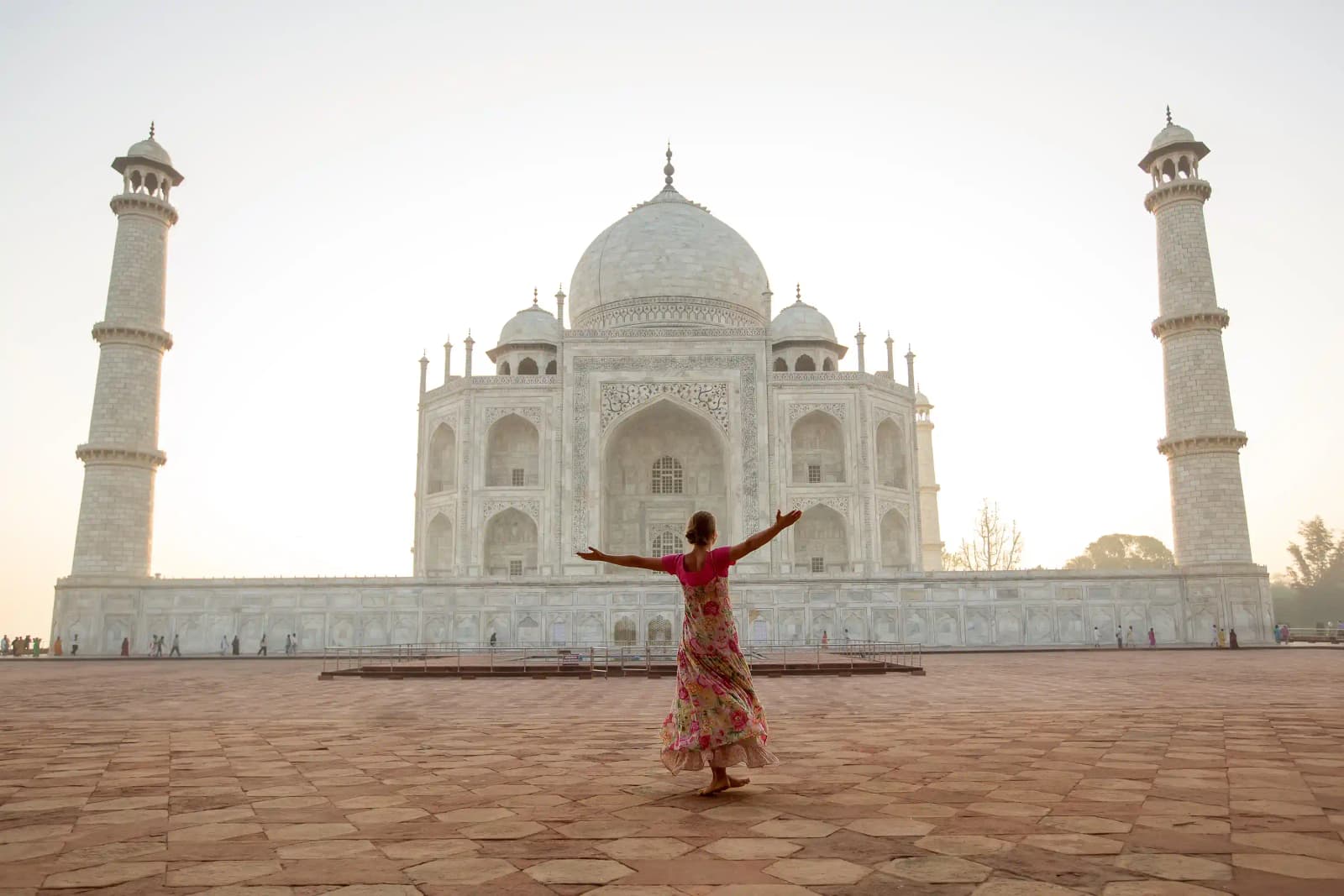
A full-day sightseeing experience gives visitors enough time to appreciate each monument without feeling rushed. Most tours begin early in the morning to take advantage of cooler temperatures and softer lighting, especially if travelers wish to witness the magical sunrise over the Taj Mahal. As the first rays of sunlight touch the white marble, the monument changes colors from soft pink to golden hues before becoming brilliantly white. This spectacular transformation is one of the highlights of any Agra itinerary and creates unforgettable memories for photographers and history enthusiasts alike.
One of the greatest advantages of booking a professionally organized Taj Mahal Tour is the convenience it provides. Instead of worrying about transportation, parking, entrance tickets, or finding knowledgeable guides, visitors can focus entirely on enjoying the experience. Private vehicles, experienced drivers, and licensed tour guides ensure a smooth and comfortable journey while providing fascinating historical insights that many independent travelers might otherwise miss. Whether arriving from Delhi, Jaipur, or another nearby city, organized tours make exploring Agra both efficient and enjoyable.
Discover the Magnificent Taj Mahal
No monument in India captures the imagination quite like the Taj Mahal. Completed in 1653 after more than twenty years of construction, this UNESCO World Heritage Site stands as one of the finest examples of Mughal architecture ever created. Thousands of skilled artisans, craftsmen, and architects worked together to transform Emperor Shah Jahan's vision into reality, creating a masterpiece admired by people from every corner of the world.
Constructed entirely from pristine white Makrana marble, the Taj Mahal is decorated with intricate floral carvings, semi-precious stone inlay work, elegant calligraphy, and perfectly symmetrical gardens. Every detail reflects extraordinary craftsmanship and artistic precision. Visitors entering through the grand gateway often pause in amazement as the monument gradually reveals itself, framed perfectly by lush gardens and reflecting pools. The sense of balance and harmony throughout the complex creates an atmosphere of peace that continues to inspire millions of visitors every year.
The central mausoleum houses the symbolic tombs of Shah Jahan and Mumtaz Mahal, while the actual graves remain in a lower chamber not accessible to the public. Four graceful minarets stand at each corner of the platform, slightly tilted outward as a clever engineering feature designed to protect the main structure during earthquakes. Every aspect of the monument demonstrates the remarkable engineering knowledge of the Mughal era.
Photography enthusiasts often consider sunrise the ideal time to visit because the changing natural light produces stunning reflections on the marble surface. Early morning visits also offer a quieter atmosphere compared to later hours when larger crowds arrive. During winter, a gentle morning mist often surrounds the monument, adding an almost dreamlike quality to the entire experience.
Explore the Historic Agra Fort
Located only a few kilometers from the Taj Mahal, Agra Fort is another UNESCO World Heritage Site and an essential stop on any Agra itinerary. Built primarily by Emperor Akbar in the sixteenth century and later expanded by Jahangir and Shah Jahan, the massive red sandstone fortress served as the principal residence of the Mughal emperors for several generations. Unlike the peaceful elegance of the Taj Mahal, Agra Fort reflects military strength, political authority, and royal grandeur.
The fort's towering defensive walls stretch for more than two kilometers and enclose a remarkable collection of palaces, audience halls, mosques, gardens, and courtyards. Entering through the impressive Amar Singh Gate immediately transports visitors into the world of Mughal royalty. Every building inside the fort tells a unique story of imperial ceremonies, royal family life, political decisions, and military strategy.
Among the most famous structures inside Agra Fort is the Jahangiri Mahal, one of the earliest surviving Mughal palaces. Built by Emperor Akbar for the royal women, the palace beautifully combines Persian, Islamic, and Hindu architectural influences. Nearby stands the elegant Khas Mahal, a white marble palace constructed by Shah Jahan for his personal residence. Delicate balconies, ornamental carvings, and cooling fountains showcase the luxurious lifestyle enjoyed by the Mughal emperors.
One of the most emotionally significant locations within Agra Fort is the Musamman Burj. According to historical accounts, Shah Jahan spent the final years of his life imprisoned here by his son Aurangzeb. From this octagonal marble tower, the emperor could gaze across the Yamuna River toward the Taj Mahal, where his beloved wife rested. This touching story adds emotional depth to the overall Agra experience and strengthens the connection between these two magnificent monuments.
Visit the Beautiful Baby Taj
Although smaller than the Taj Mahal, Itmad-ud-Daulah's Tomb—popularly known as the Baby Taj—is considered one of Agra's finest architectural treasures. Built between 1622 and 1628 by Empress Nur Jahan in memory of her father Mirza Ghiyas Beg, this elegant mausoleum introduced many artistic features that later reached perfection in the Taj Mahal.
Unlike the predominantly red sandstone buildings of earlier Mughal architecture, the Baby Taj was one of the first Mughal monuments constructed entirely from white marble. Intricate pietra dura inlay work, delicate lattice screens, floral carvings, and colorful gemstone decorations demonstrate exceptional craftsmanship. The monument's refined elegance and intimate atmosphere make it a favorite destination for visitors seeking a quieter experience away from larger crowds.
Surrounded by symmetrical Persian-style gardens and overlooking the peaceful Yamuna River, the Baby Taj offers excellent photography opportunities throughout the day. The beautifully carved marble screens allow soft sunlight to filter into the interior, creating mesmerizing patterns that change throughout the day. Every corner reveals intricate artistic details that often go unnoticed in larger monuments.
Many historians regard the Baby Taj as the architectural blueprint for the Taj Mahal because several design elements—including white marble construction, decorative inlay techniques, and balanced garden layouts—were later perfected during the construction of Shah Jahan's masterpiece. Visiting both monuments on the same day allows travelers to appreciate the remarkable evolution of Mughal architecture over several decades.
Why Combine All Three Monuments?
Exploring the Taj Mahal, Agra Fort, and Baby Taj together provides a complete understanding of Agra's historical significance. Each monument represents a different aspect of Mughal civilization. The Taj Mahal symbolizes eternal love and artistic perfection, Agra Fort reflects imperial power and political influence, while the Baby Taj showcases architectural innovation and refined craftsmanship. Together, they create a balanced sightseeing experience that goes far beyond simply visiting India's most famous landmark.
Choosing a guided Taj Mahal Tour covering all three attractions also helps visitors save valuable time. Professional guides explain fascinating stories, historical events, architectural details, and cultural traditions that transform ordinary sightseeing into a deeply enriching experience. Instead of viewing monuments as isolated buildings, travelers begin to understand how they connect to the broader history of the Mughal Empire and India's extraordinary cultural legacy.
For first-time visitors to Agra, this carefully planned combination represents the perfect introduction to one of India's most remarkable historical cities. Every monument complements the others, creating a memorable journey filled with breathtaking architecture, compelling stories, and unforgettable moments that remain with travelers long after they return home.
Best Time to Take a Taj Mahal Tour
Choosing the right season can make your visit to Agra even more enjoyable. The best time to plan a trip is between October and March, when the weather is cool and comfortable for sightseeing. During these months, daytime temperatures are pleasant, making it easier to explore outdoor attractions such as the Taj Mahal, Agra Fort, and Baby Taj without the discomfort of extreme heat. Winter mornings occasionally bring light fog, but once it clears, visitors are rewarded with spectacular views of the monuments against a crisp blue sky.
Summer, which lasts from April to June, can be extremely hot, with temperatures often exceeding 40°C (104°F). While the monuments remain open, sightseeing during midday may become challenging. Travelers visiting during this period are advised to start early in the morning, carry plenty of water, wear lightweight clothing, and use sunscreen. Monsoon season, from July to September, brings occasional rainfall that transforms the gardens into lush green landscapes. Rain showers also create dramatic photography opportunities, especially around the Taj Mahal, where reflections on wet pathways enhance the monument's beauty.
Sunrise remains the most popular time to visit the Taj Mahal because of the peaceful atmosphere and magical lighting conditions. As daylight gradually illuminates the white marble, the monument changes colors several times, creating unforgettable scenes for photographers and nature lovers alike. Sunset also offers stunning views, especially from Mehtab Bagh across the Yamuna River.
Experience Local Culture and Cuisine
A visit to Agra is about much more than historical monuments. The city is also famous for its vibrant markets, traditional handicrafts, and delicious Mughlai cuisine. After completing your sightseeing, take some time to explore the bustling local bazaars where artisans continue centuries-old traditions of marble inlay work, leather craftsmanship, embroidery, carpets, and handcrafted souvenirs.
Sadar Bazaar is one of the city's most popular shopping areas, offering everything from handmade decorative items and textiles to spices and local sweets. Kinari Bazaar is another fascinating marketplace where visitors can browse traditional jewelry, colorful fabrics, and wedding accessories. Shopping in these lively markets provides an opportunity to interact with local craftsmen while taking home authentic souvenirs that reflect Agra's rich artistic heritage.
Food lovers will discover plenty of culinary delights throughout the city. Agra's Mughlai cuisine reflects the influence of the Mughal emperors and features rich flavors, aromatic spices, and slow-cooked recipes. Popular dishes include butter chicken, Mughlai biryani, kebabs, naan, and flavorful curries served in traditional restaurants. No visit to Agra is complete without tasting the city's famous Agra Petha, a translucent sweet made from ash gourd that has become one of the city's signature delicacies. Pair it with a cup of traditional Indian tea for a delightful local experience.
Photography Tips for Your Agra Trip
Agra is a paradise for photographers, offering countless opportunities to capture breathtaking architecture and vibrant street scenes. Early morning provides the best lighting conditions for photographing the Taj Mahal, while late afternoon creates warm golden tones that beautifully highlight the red sandstone walls of Agra Fort.
Wide-angle lenses are perfect for capturing the full grandeur of the Taj Mahal and the spacious courtyards inside Agra Fort. A zoom lens helps photograph intricate marble carvings, gemstone inlay work, lattice screens, and decorative calligraphy from a distance. Don't forget to capture reflections in the water channels of the Taj Mahal gardens, as they create some of the monument's most iconic images.
Besides the monuments themselves, candid photographs of local artisans, colorful markets, traditional transportation, and daily life add depth and storytelling to your travel collection. Respect photography rules inside protected monuments and always ask permission before photographing local people.
Why Choose a Private Guided Tour?
Although Agra's major attractions can be visited independently, choosing a private guided experience significantly enhances the journey. Professional guides provide historical context, explain architectural details, and share fascinating stories that bring each monument to life. Instead of simply admiring beautiful buildings, visitors gain a deeper understanding of the Mughal Empire, its rulers, artistic achievements, and cultural legacy.
Private tours also offer flexibility that group tours often cannot match. Travelers can spend more time at their favorite attractions, stop for photographs whenever they wish, enjoy leisurely meals, and customize the itinerary according to personal interests. Families with children, senior travelers, honeymoon couples, and photography enthusiasts particularly appreciate the comfort and convenience of a personalized experience.
Another major advantage is transportation. Private air-conditioned vehicles eliminate the stress of navigating unfamiliar roads, finding parking, or negotiating with local transport providers. Experienced drivers ensure a comfortable journey between attractions while allowing travelers to relax and enjoy the scenery. A professionally organized Taj Mahal Tour also helps visitors avoid common travel challenges by providing pre-arranged tickets, knowledgeable assistance, and efficient scheduling throughout the day.
Nearby Attractions Worth Visiting
If you have extra time after exploring Agra's three iconic monuments, several nearby attractions are well worth adding to your itinerary. Mehtab Bagh, located across the Yamuna River, offers one of the best panoramic views of the Taj Mahal, especially during sunset. The peaceful gardens provide a less crowded environment where visitors can enjoy photography and appreciate the monument from a completely different perspective.
Another interesting destination is Akbar's Tomb in Sikandra. This magnificent mausoleum reflects a unique blend of Hindu, Islamic, Christian, and Buddhist architectural influences, highlighting Emperor Akbar's vision of religious harmony. The beautifully landscaped gardens surrounding the tomb are home to peacocks, deer, and numerous bird species, making it an enjoyable stop for nature lovers.
Fatehpur Sikri, located approximately 40 kilometers from Agra, is another UNESCO World Heritage Site that once served as the capital of the Mughal Empire. Visitors can explore Buland Darwaza, Jama Masjid, Panch Mahal, Diwan-i-Khas, and the Tomb of Salim Chishti while learning about one of India's most fascinating historical cities. Many travelers choose to combine Fatehpur Sikri with a Taj Mahal Tour, creating a full-day or overnight heritage experience.
Essential Travel Tips
Planning ahead ensures a smooth and enjoyable visit to Agra. Book your tickets online whenever possible to save time and avoid long queues. Carry a valid photo ID, comfortable walking shoes, sunglasses, sunscreen, and a reusable water bottle. Since security checks are mandatory at the Taj Mahal, avoid carrying prohibited items such as drones, large bags, food, or tobacco products.
Dress modestly while visiting historical and religious sites, especially if your itinerary includes nearby temples or mosques. During peak tourist season, arriving early not only helps avoid crowds but also allows you to enjoy cooler temperatures and better photography conditions.
Cashless payments are widely accepted across Agra, although carrying some local currency remains useful for shopping at traditional markets and purchasing snacks from smaller vendors. Finally, respect local customs, avoid littering, and help preserve these magnificent monuments for future generations by following all visitor guidelines.
The combination of remarkable history, stunning architecture, vibrant local culture, and warm hospitality makes Agra one of India's most rewarding travel destinations. Whether you are visiting for a single day or extending your stay, exploring these iconic monuments creates unforgettable memories that remain long after your journey ends.
Conclusion
A visit to Agra is much more than a simple sightseeing trip—it's a journey through the glorious history of the Mughal Empire and an opportunity to witness some of the finest architectural masterpieces ever created. Exploring the Taj Mahal, Agra Fort, and Baby Taj together provides a complete understanding of the city's cultural and historical importance. While the Taj Mahal captures hearts with its timeless beauty and romantic story, Agra Fort showcases the strength and grandeur of the Mughal rulers, and the Baby Taj reveals the artistic innovations that inspired one of the world's greatest monuments.
Choosing a well-planned Taj Mahal Tour allows travelers to enjoy these iconic attractions without the stress of arranging transportation, purchasing tickets, or navigating unfamiliar roads. Whether you are traveling from Delhi, Jaipur, or another nearby destination, a guided tour offers comfort, convenience, and valuable historical insights that enrich the entire experience. From witnessing the breathtaking sunrise over the Taj Mahal to walking through the majestic halls of Agra Fort and admiring the delicate marble craftsmanship of the Baby Taj, every moment creates memories that last a lifetime.
Agra is also a city filled with vibrant markets, delicious Mughlai cuisine, and warm hospitality, making it much more than a destination for historical monuments. Visitors can shop for exquisite marble handicrafts, taste the famous Agra Petha, and experience the city's unique blend of traditional culture and modern tourism. Every street, monument, and garden reflects centuries of fascinating history that continue to captivate millions of visitors from around the world.
Whether you are a history enthusiast, a photographer, a couple celebrating a special occasion, or a family exploring India's heritage for the first time, this unforgettable journey offers something for everyone. A carefully organized Taj Mahal Tour covering the Taj Mahal, Agra Fort, and Baby Taj ensures that you experience the very best of Agra in a single day while creating unforgettable memories of one of India's most iconic destinations.
Frequently Asked Questions
1. How long does a Taj Mahal Tour with Agra Fort and Baby Taj take?
A complete tour usually takes 8 to 10 hours, depending on your starting location and the amount of time spent at each attraction. Travelers coming from Delhi often choose a full-day private tour.
2. What is the best time to visit the Taj Mahal?
The ideal time to visit is between October and March, when the weather is pleasant. Sunrise is considered the best time because of the soft lighting, cooler temperatures, and fewer crowds.
3. Can I visit the Taj Mahal, Agra Fort, and Baby Taj in one day?
Yes. These three attractions are located close to one another and can comfortably be explored in a single day with proper planning or a guided Taj Mahal Tour.
4. Is hiring a private guide worth it?
Absolutely. A licensed guide explains the history, architecture, and fascinating stories behind each monument while helping visitors save time and enjoy a richer travel experience.
5. What should I carry during my Agra sightseeing trip?
Carry a valid photo ID, comfortable walking shoes, sunscreen, sunglasses, a reusable water bottle, a camera or smartphone for photography, and some cash for shopping and snacks. Booking tickets in advance is also recommended to avoid long queues.