
What Are the Top Places to Visit on a Delhi City Tour?
What Are the Top Places to Visit on a Delhi City Tour?
Delhi, the vibrant capital of India, is a fascinating blend of ancient history, rich culture, and modern development. Every street in the city has a story to tell, whether it is about powerful emperors, colonial architecture, colorful markets, or spiritual traditions. From magnificent forts and UNESCO World Heritage Sites to bustling bazaars and peaceful gardens, Delhi offers something for every traveler. If you are planning your first visit to India's capital, a Delhi City Tour is the perfect way to experience its remarkable diversity in a single journey.
Unlike many cities that focus on one particular attraction, Delhi offers an incredible mix of historical monuments, religious landmarks, museums, shopping destinations, and delicious cuisine. Visitors can explore centuries-old Mughal architecture in the morning, enjoy authentic street food in the afternoon, and admire modern landmarks by evening. Whether you are traveling with family, friends, or on a solo adventure, Delhi never fails to leave a lasting impression.
Red Fort – A Symbol of India's Rich Heritage
The Red Fort, or Lal Qila, is one of Delhi's most iconic landmarks and a UNESCO World Heritage Site. Built by Mughal Emperor Shah Jahan in the 17th century, this magnificent red sandstone fortress served as the residence of Mughal rulers for nearly 200 years. Today, it stands as a symbol of India's glorious past and is one of the most visited attractions in the country.
Walking through the massive gates of the fort allows visitors to explore beautiful gardens, royal halls, museums, and intricate Mughal architecture. Every year on India's Independence Day, the Prime Minister hoists the national flag from the Red Fort, making it an important national monument. A Delhi City Tour is incomplete without spending time discovering this architectural masterpiece.
India Gate – A Tribute to Brave Soldiers
Located in the heart of New Delhi, India Gate is one of the city's most recognizable landmarks. Built as a memorial to soldiers who lost their lives during World War I, the monument attracts visitors throughout the day and becomes especially beautiful after sunset when it is illuminated.
Families often gather around the lush green lawns surrounding India Gate for picnics and evening walks. The nearby National War Memorial further honors India's brave soldiers and provides visitors with a meaningful insight into the country's military history. This area offers a peaceful atmosphere while remaining close to several other important attractions.
Qutub Minar – A UNESCO World Heritage Site
Standing at approximately 73 meters tall, Qutub Minar is the tallest brick minaret in the world and another UNESCO World Heritage Site. Constructed during the 12th century, this remarkable tower showcases stunning Indo-Islamic architecture with intricate carvings and inscriptions.
Visitors can also explore nearby historical structures, including the Quwwat-ul-Islam Mosque, Alai Darwaza, and the famous Iron Pillar, which has resisted corrosion for more than 1,600 years. The historical significance and architectural beauty of Qutub Minar make it one of the highlights of every Delhi City Tour.
Humayun's Tomb – Inspiration Behind the Taj Mahal
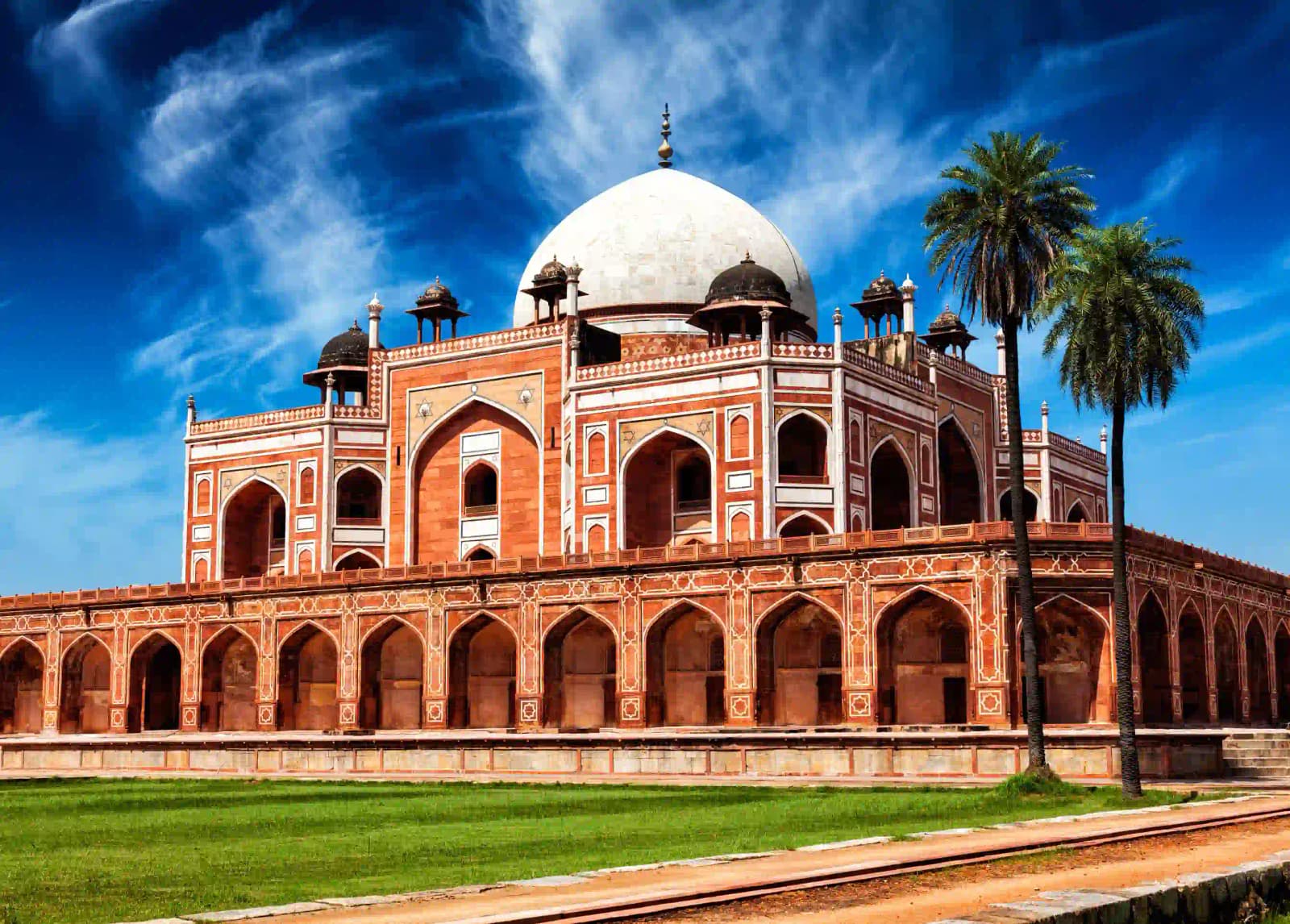
Humayun's Tomb is often regarded as one of the finest examples of Mughal architecture in India. Built in the 16th century, this magnificent mausoleum inspired the architectural design of the Taj Mahal several decades later.
The monument features symmetrical gardens, elegant fountains, impressive domes, and beautifully designed pathways. Visitors appreciate the peaceful atmosphere, making it an excellent location for photography and leisurely walks. History enthusiasts particularly enjoy learning about Emperor Humayun and the evolution of Mughal architecture.
Jama Masjid – One of India's Largest Mosques
Jama Masjid is among the largest and most impressive mosques in India. Commissioned by Shah Jahan, the mosque can accommodate more than 25,000 worshippers at a time. Its towering minarets, grand courtyard, and intricate marble work demonstrate the artistic brilliance of Mughal architecture.
Visitors can climb one of the minarets to enjoy breathtaking panoramic views of Old Delhi. Nearby Chandni Chowk adds even more excitement with its narrow streets, vibrant markets, and famous street food stalls.
Chandni Chowk – Delhi's Historic Marketplace
No visit to Delhi is complete without exploring Chandni Chowk. Established during the Mughal era, this bustling marketplace remains one of the oldest and busiest commercial centers in India.
The narrow lanes are filled with shops selling spices, jewelry, textiles, electronics, books, sweets, and traditional Indian clothing. Food lovers can enjoy iconic dishes such as parathas, chaat, jalebi, kebabs, and lassi. A rickshaw ride through Chandni Chowk offers an authentic glimpse into Delhi's energetic atmosphere and vibrant local life.
Lotus Temple – A Symbol of Peace
The Lotus Temple is one of Delhi's most unique architectural landmarks. Designed in the shape of a blooming lotus flower, this Baháʼí House of Worship welcomes visitors from all religions and backgrounds.
Unlike many religious sites, the Lotus Temple encourages silent meditation regardless of faith. Its beautifully landscaped gardens and peaceful surroundings create a relaxing environment away from the city's busy streets. Visitors often spend time reflecting and appreciating the remarkable architecture.
Akshardham Temple – A Modern Architectural Wonder
Swaminarayan Akshardham Temple is one of the largest Hindu temple complexes in the world. Built using traditional craftsmanship without steel reinforcement, the temple features thousands of intricate carvings depicting Indian culture, spirituality, and history.
The complex includes exhibitions, musical fountain shows, beautiful gardens, and cultural displays that introduce visitors to India's ancient traditions. Families especially enjoy spending several hours exploring this remarkable attraction.
Raj Ghat – Tribute to Mahatma Gandhi
Raj Ghat is the memorial dedicated to Mahatma Gandhi, the Father of the Nation. Located along the banks of the Yamuna River, the site marks the place where Gandhi was cremated following his assassination in 1948.
The simple black marble platform, eternal flame, and beautifully maintained gardens create an atmosphere of peace and respect. Many world leaders visit Raj Ghat during official visits to India to pay tribute to Gandhi's legacy.
Lodhi Garden – Nature Meets History
Lodhi Garden offers a refreshing escape from Delhi's busy roads. Spread across nearly 90 acres, the park combines beautifully landscaped gardens with historical tombs dating back to the 15th century.
Morning walkers, joggers, photographers, and families all enjoy spending time here. The peaceful environment, flowering plants, ponds, and historical monuments make Lodhi Garden one of the city's most relaxing destinations.
National Museum – Discover India's Rich Past
The National Museum houses one of India's largest collections of historical artifacts, sculptures, manuscripts, paintings, coins, and archaeological discoveries. Exhibits span thousands of years, covering the Indus Valley Civilization, Buddhist art, Mughal history, and ancient Indian kingdoms.
Visitors interested in history and archaeology can easily spend several hours exploring its fascinating galleries. The museum provides valuable insights into India's remarkable cultural evolution.
Best Time to Visit Delhi
The ideal time to explore Delhi is between October and March. During these months, the weather remains pleasant, making outdoor sightseeing far more enjoyable. Winter mornings can be slightly foggy, but comfortable daytime temperatures allow visitors to explore monuments, gardens, and markets without extreme heat.
Spring also brings colorful festivals and blooming flowers, adding even more charm to the city. Summer months can become extremely hot, while the monsoon season brings occasional rainfall.
Travel Tips for Your Delhi Trip
Planning ahead helps maximize your sightseeing experience. Wear comfortable walking shoes, carry sunscreen, sunglasses, and a reusable water bottle. Since many attractions involve extensive walking, lightweight clothing is recommended during warmer months.
Hiring a knowledgeable guide during your Delhi City Tour can greatly enhance your understanding of the city's rich history and fascinating stories. Using Delhi Metro is also an efficient and affordable way to travel between major attractions while avoiding heavy traffic.
Why Delhi Should Be on Every Traveler's Bucket List
Delhi is much more than India's political capital. It is a city where ancient traditions coexist with modern innovation. Every monument reflects centuries of history, every market offers colorful experiences, and every neighborhood introduces visitors to different aspects of Indian culture.
From majestic forts and peaceful temples to lively bazaars and world-class museums, Delhi delivers unforgettable experiences for travelers of every age. Whether you're passionate about history, architecture, shopping, photography, spirituality, or food, the city offers endless opportunities for exploration.
Choosing a Delhi City Tour allows visitors to experience the very best of India's heritage while creating memories that last a lifetime. Its incredible diversity, welcoming atmosphere, and world-famous landmarks continue to make Delhi one of Asia's most rewarding travel destinations.
Conclusion
Delhi is a city where every corner tells a story, making it one of the most fascinating destinations in India. From the grandeur of the Red Fort and the towering Qutub Minar to the peaceful Lotus Temple and the bustling streets of Chandni Chowk, every attraction offers a unique glimpse into the city's rich heritage. A well-planned Delhi City Tour lets you experience centuries of history, diverse cultures, vibrant markets, and unforgettable cuisine in just a few days.
Whether you are visiting India for the first time or returning to discover more of its charm, Delhi deserves a place at the top of your itinerary. Its remarkable blend of tradition and modernity ensures that every traveler leaves with unforgettable memories and a deeper appreciation for India's cultural richness.
Frequently Asked Questions
1. What is the most famous place to visit in Delhi?
The Red Fort is one of Delhi's most famous landmarks and a UNESCO World Heritage Site that attracts millions of visitors every year.
2. How many days are enough for a Delhi sightseeing tour?
Two to three days are generally enough to explore Delhi's major attractions comfortably.
3. What is the best time to visit Delhi?
The best time to visit is from October to March when the weather is pleasant for sightseeing.
4. Is Delhi suitable for family vacations?
Yes. Delhi offers historical monuments, museums, gardens, temples, shopping areas, and cultural experiences suitable for visitors of all ages.
5. What should I not miss during a Delhi trip?
Don't miss the Red Fort, India Gate, Qutub Minar, Humayun's Tomb, Chandni Chowk, Lotus Temple, Akshardham Temple, and Jama Masjid, as they represent the city's rich history and vibrant culture.