
What Is the Best 3-Day Delhi Agra Jaipur Tour Itinerary?
What Is the Best 3-Day Delhi Agra Jaipur Tour Itinerary?
What Is the Best 3-Day Delhi Agra Jaipur Tour Itinerary?
Planning a short trip through India’s famous Golden Triangle can feel challenging. Delhi, Agra, and Jaipur each offer a different experience, from historic monuments and Mughal architecture to royal palaces, colorful markets, and vibrant local culture. With only three days, the key is not trying to see absolutely everything but arranging the route logically so you can enjoy the major attractions without spending the entire trip in transit. A well-organized 3-Day Delhi Agra Jaipur Tour can give you a rewarding introduction to North India while keeping the schedule practical.
The classic route begins in Delhi, continues to Agra, and finishes in Jaipur. This direction works well because the three destinations are connected by established road and rail routes, and Agra lies naturally between Delhi and Jaipur. Depending on your arrival and departure plans, you can travel by private car, train, or a combination of transportation options. For travelers who want maximum flexibility, a private vehicle with a driver is particularly convenient because it allows sightseeing stops and hotel-to-hotel transfers.
This itinerary focuses on the major highlights while leaving enough room for meals, breaks, photography, and unexpected delays. It is suitable for first-time visitors, couples, families, and small groups who want to experience the essential sights of India’s Golden Triangle in a limited amount of time.
Day 1: Explore the Highlights of Delhi
Your first day begins in Delhi, India’s capital and one of the country’s most fascinating cities. Delhi combines layers of history with a modern urban landscape, so even a short sightseeing program can expose you to dramatically different periods of Indian history. Depending on your arrival time, start your day as early as possible. This gives you more time to explore the major attractions before continuing your journey toward Agra on the following day.
Begin with Old Delhi, where you can experience the historic atmosphere around the Red Fort and Jama Masjid. The Red Fort was built by Mughal emperor Shah Jahan and is one of Delhi’s most recognizable landmarks. Nearby, Jama Masjid is another important example of Mughal-era architecture. The surrounding streets of Old Delhi are also known for their food, shops, and busy atmosphere, although traffic and crowds can make this part of the city slow to navigate.
After exploring Old Delhi, continue toward Raj Ghat, the memorial associated with Mahatma Gandhi. The peaceful setting provides a contrast to the busy streets surrounding the old city. From there, you can continue toward central Delhi to see India Gate and the surrounding government district. If your schedule permits, driving past the Presidential residence and other important government buildings can add context to your understanding of modern Delhi.
Afternoon Delhi Sightseeing
In the afternoon, visit Humayun’s Tomb, an impressive Mughal monument and an important architectural predecessor to the Taj Mahal. Its gardens, symmetrical design, and red sandstone construction make it particularly interesting for travelers who plan to visit Agra later in the trip. You can then continue to Qutub Minar, one of Delhi’s best-known historical landmarks.
Qutub Minar is located in the Mehrauli area and forms part of a larger archaeological complex. The tall minaret and surrounding structures demonstrate the architectural traditions that developed in Delhi during the medieval period. Give yourself enough time to walk around the complex rather than simply stopping for a photograph.
If you arrive in Delhi later in the day, prioritize two or three attractions instead of attempting the entire sightseeing list. A rushed itinerary can turn a fascinating city into a checklist of photographs. Your available time, hotel location, and departure plans should determine how much you try to cover.
Day 2: Delhi to Agra and Explore the Taj Mahal
Start the second day early and travel from Delhi toward Agra. The road journey can take several hours depending on your departure point and traffic conditions. If you are traveling by private car, an early start allows you to reach Agra with enough time for sightseeing. Train travel is another option, particularly for travelers who prefer a scheduled rail journey.
Arriving early is useful because the Taj Mahal is usually the main highlight of the day. After reaching Agra and completing your hotel check-in or luggage arrangements, head toward the monument.
Visit the Taj Mahal
The Taj Mahal is one of the world’s most famous monuments and the centerpiece of most Golden Triangle itineraries. Commissioned by Shah Jahan in memory of his wife Mumtaz Mahal, the monument is celebrated for its white marble, symmetrical design, gardens, decorative stonework, and distinctive dome.
Take your time when visiting. Rather than immediately walking through the main entrance and heading toward the mausoleum, stop to appreciate the perspective created by the gardens and reflecting pool. The monument looks different as the light changes, making early morning and later afternoon particularly attractive for photography.
If history and architecture interest you, consider hiring an authorized local guide. A good guide can explain details that are easy to overlook, including the marble inlay work, calligraphy, architectural symmetry, and historical background. If you prefer independent sightseeing, you can explore at your own pace and use a guidebook or audio resource.
Remember to check the latest official visitor rules, opening hours, ticket requirements, and closure information before your trip because these details can change.
Explore Agra Fort
After the Taj Mahal, visit Agra Fort, another major Mughal landmark. The enormous red sandstone complex served as a royal residence and military stronghold and contains palaces, courtyards, audience halls, and other historic structures.
Agra Fort also provides interesting views toward the Taj Mahal from some locations within the complex. Exploring the fort helps put the Taj Mahal into a broader historical context because both monuments are closely connected with the Mughal rulers of Agra.
Allow roughly an hour or more depending on your interest and walking pace. If you have young children or elderly travelers in your group, take regular breaks because the complex involves considerable walking.
Optional Agra Experiences
If time remains, you can add another attraction to your itinerary. Mehtab Bagh, located across the Yamuna River, is known for views toward the Taj Mahal. Another possibility is Itimad-ud-Daulah’s Tomb, often called the “Baby Taj” because of its refined marble decoration and historical connection to Mughal architecture.
However, do not feel obligated to visit every attraction. The purpose of a short Golden Triangle trip is to experience the major highlights comfortably. Spending quality time at two or three important sites is generally more enjoyable than rushing through six locations.
Spend the night in Agra so that you can start the next day conveniently toward Jaipur.
Day 3: Agra to Jaipur and Jaipur Sightseeing
The third day takes you from Agra to Jaipur, the capital of Rajasthan and one of India’s most colorful historic cities. The journey connects two very different cultural environments: Agra’s Mughal heritage and Jaipur’s Rajput architecture.
Start early because you want enough time for sightseeing in Jaipur before the day ends. A private vehicle can be especially useful here because you can travel directly from your Agra hotel to Jaipur and begin sightseeing after arrival.
Amber Fort
One of the first places to visit in Jaipur is Amber Fort, located outside the central city. The impressive hilltop complex combines Rajput and Mughal architectural influences and includes courtyards, gateways, halls, gardens, and decorative interiors.
Take time to explore the fort instead of treating it as a brief photo stop. The elevated location also provides interesting views over the surrounding landscape. Because temperatures can become uncomfortable during warmer months, an early visit is generally more pleasant.
Check current rules concerning access methods and transportation before your visit. Travelers should also consider the physical demands of walking through the fort and choose options appropriate for their group.
City Palace
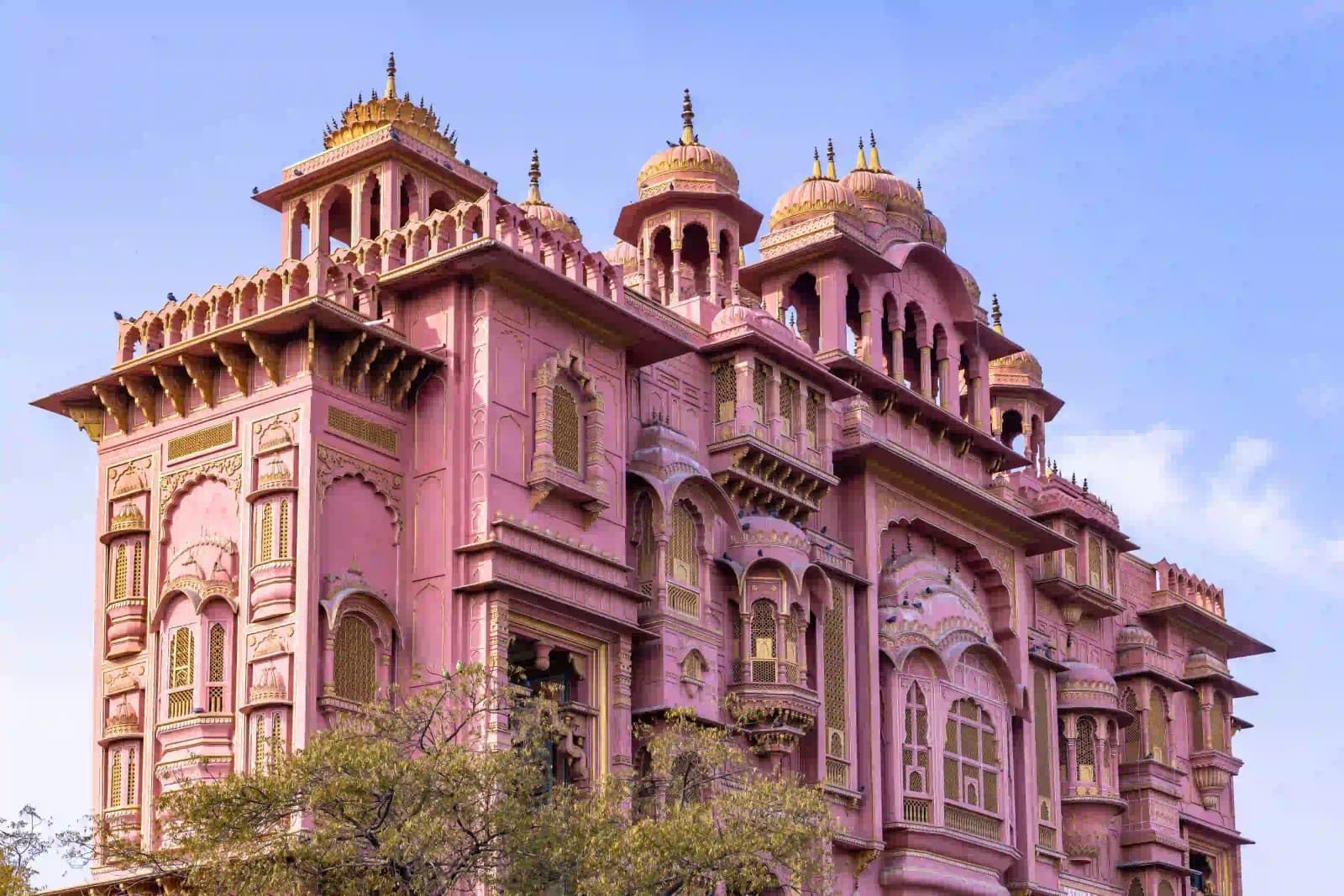
Return toward central Jaipur and visit the City Palace, a major attraction in the historic Pink City. The complex contains courtyards, royal buildings, museums, and decorative architecture that reflect Jaipur’s royal heritage.
The City Palace is particularly useful for travelers interested in Rajasthan’s history because it provides a glimpse into the lifestyle and traditions of the region’s former ruling family. Museums and displays can add context to the architecture you have seen during the trip.
Hawa Mahal
No Jaipur itinerary feels complete without seeing Hawa Mahal, or the Palace of Winds. Its distinctive facade features numerous small windows and ornamental details, making it one of Jaipur’s most recognizable landmarks.
You do not need to spend a large portion of your day here. Many travelers stop for photographs from the street before continuing through the old city. If you have additional time, you can explore the surrounding markets and historic streets.
Jantar Mantar
If your schedule allows, visit Jantar Mantar, an astronomical observatory containing large-scale instruments constructed during the 18th century. The site demonstrates the scientific and architectural interests of Jaipur’s rulers.
The enormous instruments are visually striking and are a reminder that the Golden Triangle is about more than palaces and monuments. Jaipur also has a fascinating history of astronomy, urban planning, arts, and craftsmanship.
How to Travel During a 3-Day Golden Triangle Trip
Transportation can make or break a short itinerary. With only three days, minimizing unnecessary transfers is important. A private car with a professional driver provides the greatest flexibility because you can travel directly between hotels and attractions and adjust the schedule when required.
Train travel can also be efficient for selected journeys. Delhi and Agra have strong rail connections, and trains can reduce the amount of time spent on the road. However, you still need transportation between railway stations, hotels, and monuments.
For travelers carrying luggage or traveling with children, a private vehicle can simplify the entire journey. Before booking, confirm the vehicle type, passenger capacity, luggage space, driver services, fuel, tolls, parking, and any other charges.
Where Should You Stay?
For a three-day itinerary, hotel location matters. In Delhi, staying reasonably close to your planned sightseeing area or transportation route can save valuable time. In Agra, choose accommodation that provides convenient access to the Taj Mahal and fits your sightseeing schedule.
In Jaipur, staying around the central city or another convenient area can make it easier to visit attractions and explore local restaurants or markets. Your hotel does not necessarily need to be the most luxurious option; location, cleanliness, guest reviews, and transportation access can be more important during a fast-paced trip.
A practical approach is to stay one night in Agra rather than returning to Delhi after visiting the Taj Mahal. This eliminates unnecessary backtracking and gives you a better chance of enjoying Jaipur on the third day.
Best Time for a Delhi Agra Jaipur Trip
Weather should be an important consideration when planning your trip. Delhi, Agra, and Jaipur can become extremely hot during parts of the summer, while winter generally offers more comfortable daytime sightseeing conditions but can bring fog in northern India.
October through March is commonly chosen by tourists seeking milder temperatures, although conditions vary from year to year. April through June can be significantly hotter, making early-morning sightseeing especially important. The monsoon season can bring rain and humidity, which may affect outdoor sightseeing and road travel.
Before departing, check current weather forecasts for all three destinations. Packing lightweight clothing, comfortable walking shoes, sun protection, and appropriate layers for cooler mornings can help you stay comfortable.
What to Pack for the Golden Triangle
You do not need a huge suitcase for a three-day trip. Pack practical clothing that works for walking and changing weather conditions. Comfortable shoes are particularly important because attractions such as forts, gardens, and historic complexes involve substantial walking.
Useful items can include:
- Comfortable walking shoes
- Sunglasses and sunscreen
- A refillable water bottle where appropriate
- Phone charger or power bank
- Identification and travel documents
- Necessary medications
- Lightweight clothing and a warmer layer during cooler months
- A small day bag
Respect local customs when visiting religious and historical sites. Modest, comfortable clothing is generally a practical choice.
How Much Time Do You Need at Each Destination?
Delhi deserves at least a full day if you want to experience its principal landmarks. However, a short visit can still cover several major attractions if your schedule is organized carefully.
Agra can be explored effectively in one day because the Taj Mahal and Agra Fort are relatively straightforward to combine. Jaipur ideally deserves more than one day, but you can still experience its major landmarks during a well-planned final day.
The important thing is to understand the difference between seeing a place and experiencing it. A three-day trip naturally involves compromises. Rather than trying to include every museum, market, palace, and monument, select the attractions that are most meaningful to you.
Tips for Making Your Itinerary More Comfortable
Start sightseeing early whenever possible. Morning hours are generally useful for avoiding some crowds and warmer temperatures, while an early departure also gives you more flexibility if traffic causes delays.
Book your hotels and major transportation arrangements in advance, particularly during busy travel periods. Keep copies of your reservations and important contact information on your phone.
When booking a private tour, ask exactly what the price includes. Clarify whether monument tickets, tolls, parking, meals, guides, and driver expenses are included or charged separately. A written itinerary is helpful because it establishes what you have agreed to receive.
Also leave some flexibility in your schedule. Indian cities can be unpredictable, and traffic, weather, or unexpected delays can affect your plans. Building a little extra time into each transfer will make the trip feel less stressful.
Why This Route Works Well for First-Time Visitors
The 3-Day Delhi Agra Jaipur Tour route works as a compact introduction to several important aspects of northern India. Delhi offers a mixture of ancient, medieval, colonial, and modern history. Agra focuses heavily on Mughal heritage, with the Taj Mahal serving as the defining attraction. Jaipur introduces travelers to Rajasthan’s royal architecture, colorful markets, forts, and distinctive cultural traditions.
The route also creates a natural geographical progression rather than requiring you to repeatedly return to the same city. Traveling from Delhi to Agra and then onward to Jaipur makes efficient use of your limited vacation time.
For a first visit, the itinerary provides a balance of famous landmarks and opportunities to experience local surroundings. You will not see everything in three days, but you can leave with a strong impression of three historically significant Indian cities.
Final Thoughts
A carefully planned 3-Day Delhi Agra Jaipur Tour can be an exciting way to experience the highlights of India’s Golden Triangle without requiring a long vacation. The ideal itinerary begins with Delhi’s historic and cultural attractions, continues to Agra for the Taj Mahal and Agra Fort, and finishes in Jaipur with Amber Fort, City Palace, Hawa Mahal, and Jantar Mantar.
The secret to making such a short trip enjoyable is realistic planning. Choose convenient hotels, start early, select transportation that suits your group, and avoid filling every minute with sightseeing. Give yourself enough time to appreciate each major attraction instead of racing from one monument to another.
Whether you are traveling as a couple, with family, or with friends, this route can provide an engaging introduction to India’s architecture, history, food, and culture. Before traveling, verify current monument opening hours, ticketing procedures, transportation conditions, and local travel advisories so your itinerary reflects the latest information.
Frequently Asked Questions
1. Can Delhi, Agra, and Jaipur be visited in only three days?
Yes. Three days is enough for a highlights-focused trip, although the schedule will be relatively busy. A practical plan is one day in Delhi, one day in Agra, and one day for Jaipur with travel between destinations.
2. What is the best way to travel from Delhi to Agra and Jaipur?
A private car is convenient for travelers who want door-to-door transportation and flexibility. Trains can also be useful for certain routes. Your choice should depend on your budget, group size, preferred comfort level, and schedule.
3. Is one day enough for Agra?
One full day can cover Agra’s principal attractions, particularly the Taj Mahal and Agra Fort. If you want a slower experience or additional sightseeing, staying longer would provide more flexibility.
4. Should I stay overnight in Agra?
For this itinerary, an overnight stay in Agra is practical because it avoids returning to Delhi after sightseeing. It also allows you to start the journey toward Jaipur from Agra the following morning.
5. What attractions should I prioritize in Jaipur?
For a short visit, Amber Fort, City Palace, Hawa Mahal, and Jantar Mantar are strong candidates. If your interests are different, you can replace one or more attractions with markets, museums, gardens, or other local experiences.