
What Is the Best India Tour for Families with Children?
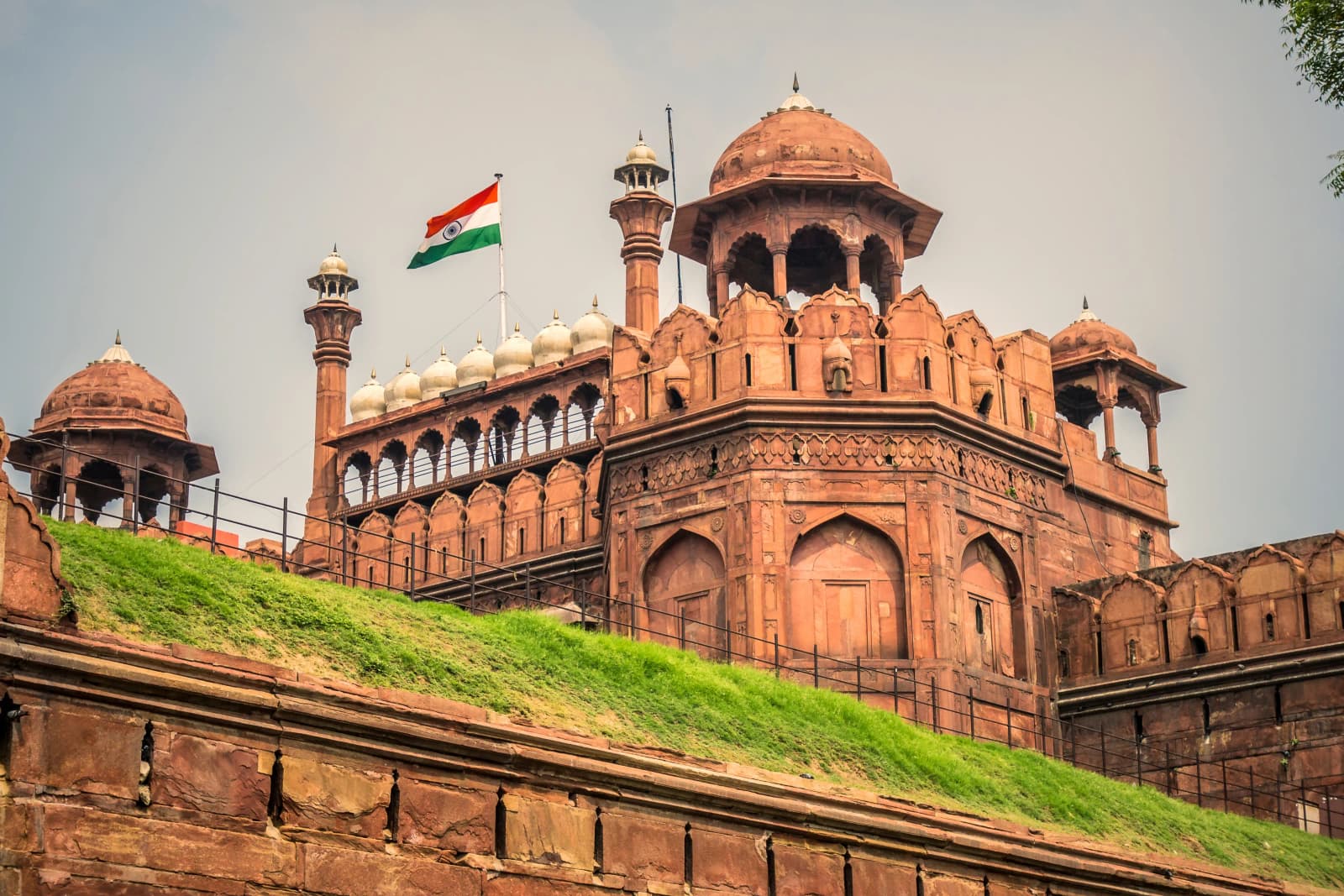
What Is the Best India Tour for Families with Children?
What Is the Best India Tour for Families with Children?
India is a fascinating destination for families because it combines history, colorful culture, wildlife, food, architecture, nature, and unforgettable experiences in one country. Traveling with children can be especially rewarding when the itinerary is planned around shorter travel times, comfortable accommodation, engaging attractions, and regular breaks. Instead of trying to see everything, families should choose destinations that offer a balance between sightseeing and relaxation.
For first-time family travelers, a well-planned India Tour can combine Delhi, Agra, Jaipur, and a wildlife destination such as Ranthambore. This route gives children opportunities to see famous monuments, explore magnificent forts, experience colorful markets, enjoy local cuisine, and potentially see wild animals on safari. Families with more time can add destinations such as Udaipur, Kerala, Goa, or Rishikesh depending on their interests and children's ages.
The best family itinerary should not feel like a race between monuments. Children need time to rest, eat, play, and enjoy experiences at their own pace. A comfortable private vehicle, family-friendly hotels, flexible sightseeing, and carefully selected activities can make traveling around India much easier.
Why India Is a Great Destination for Families
India offers a huge variety of experiences, which makes it suitable for families with children of different ages. Younger children may enjoy animals, colorful markets, gardens, and boat rides, while older children may become fascinated by forts, palaces, museums, history, and adventure activities.
The country's famous monuments can also make history more interesting. Instead of reading about Mughal emperors or Rajput rulers in a textbook, children can walk through real forts and palaces and see the architecture for themselves.
Wildlife is another major attraction. National parks such as Ranthambore and Jim Corbett provide opportunities to see animals in natural surroundings. Even when children do not see a tiger or leopard, spotting deer, monkeys, birds, crocodiles, and other wildlife can be exciting.
Food can also become part of the family adventure. Children can try familiar dishes alongside Indian specialties, sweets, breads, and fresh fruit.
How Many Days Are Best for a Family India Tour?
For first-time visitors, 7 to 10 days is a comfortable duration for exploring India's famous Golden Triangle and adding a family-friendly experience such as a wildlife safari.
A shorter itinerary of 5 to 6 days can cover Delhi, Agra, and Jaipur, but the schedule may be relatively busy. Families who want a slower pace should consider at least 8 days.
DurationSuggested DestinationsBest For5–6 DaysDelhi, Agra, JaipurShort family holiday7–8 DaysDelhi, Agra, Jaipur + RanthamboreFirst-time families9–10 DaysGolden Triangle + RanthamboreWildlife and history12–14 DaysGolden Triangle + Udaipur or KeralaRelaxed family vacation15+ DaysMultiple regionsExtended family adventure
The age of your children should also influence the itinerary. Families traveling with toddlers may prefer fewer destinations, while families with teenagers can usually handle longer sightseeing days and more adventurous activities.
Start Your Family Trip in Delhi
Delhi is a practical starting point for many international family trips because it offers major historical attractions, excellent transportation connections, restaurants, hotels, museums, parks, and family-friendly activities.
A private vehicle can be particularly helpful for families because it allows you to keep the schedule flexible. You can stop for meals, return to the hotel if children become tired, or adjust sightseeing according to weather conditions.
Delhi has many attractions, but you do not need to visit all of them. Select a few highlights that are interesting for both adults and children.
India Gate is a good outdoor stop where children can have some open space after visiting monuments. Humayun's Tomb introduces families to Mughal architecture, while Qutub Minar offers an impressive historical setting.
Explore Old Delhi with Children
Old Delhi can be exciting for families because it feels completely different from modern parts of the capital. The narrow streets, colorful shops, historic buildings, food stalls, rickshaws, and busy markets create an energetic atmosphere.
A short guided walk can be more enjoyable for children than spending several hours exploring the area independently.
Families can also consider a food-focused experience where children can try small portions of familiar Indian snacks. Parathas, samosas, jalebi, and other foods can make the visit more entertaining.
However, Old Delhi can become crowded, so families with young children should keep them close and avoid excessively long walks during the busiest periods.
Visit the Taj Mahal in Agra
Agra is one of the most important destinations for a family holiday in India because it is home to the Taj Mahal.
Children may recognize the monument from books, television, or photographs, but seeing the enormous white marble structure in person can make history feel much more real.
A visit to the Taj Mahal is also an opportunity to introduce children to ideas about architecture, symmetry, gardens, craftsmanship, and Mughal history.
Start early whenever possible. Morning sightseeing is generally more comfortable, particularly during warmer months.
Allow enough time for children to enjoy the gardens and surroundings rather than focusing entirely on taking photographs.
Explore Agra Fort
Agra Fort is an excellent attraction to combine with the Taj Mahal. Its huge walls, gates, courtyards, towers, palaces, and historical stories can be particularly interesting for older children.
Instead of giving children a long historical lecture, parents can turn the visit into a story about emperors, kings, battles, palaces, and royal life.
The fort also provides opportunities to see how defensive architecture worked. Children can observe thick walls, large gateways, courtyards, and elevated viewpoints.
Around one and a half to two hours is generally enough for a family visit, depending on the children's ages and interest.
Continue to Jaipur
Jaipur, the Pink City, is another excellent destination for families. Its forts, palaces, markets, museums, temples, and colorful streets offer plenty of variety.
The city is particularly suitable for a family India Tour because attractions can be combined with shopping, food, cultural experiences, and relaxed evenings.
The journey from Agra to Jaipur can be arranged by private vehicle, allowing families to stop when necessary and travel comfortably.
Discover Amber Fort
Amber Fort is one of Jaipur's most impressive attractions and can be exciting for children because of its hilltop location, large courtyards, gates, towers, and palace rooms.
Parents can make the visit more engaging by explaining the fort through stories about royal families, soldiers, elephants, kings, and queens.
The fort involves walking and some stairs, so comfortable footwear is important. During hot weather, an early morning visit is strongly recommended.
Families should also check current visitor rules and transportation arrangements before visiting.
See Hawa Mahal
Hawa Mahal is one of Jaipur's most famous landmarks and makes a convenient short sightseeing stop.
The building's unusual façade, filled with small windows, can capture children's attention. Parents can explain how the palace was designed and why the windows were historically important.
Because the visit does not usually require several hours, Hawa Mahal can easily be combined with shopping or exploring nearby markets.
It is also an excellent location for family photographs.
Visit City Palace
City Palace provides another opportunity to introduce children to Rajasthan's royal heritage.
The complex contains courtyards, museums, gates, gardens, and decorative architecture. Older children may enjoy learning about the lifestyle of Jaipur's former royal families and seeing historical objects.
Try not to overload younger children with too many details. Focus on the most interesting rooms, architecture, and stories before taking a break.
Make Time for Jantar Mantar
Jantar Mantar is a particularly interesting attraction for families with school-age children and teenagers.
The observatory contains enormous astronomical instruments created to measure time and study celestial movements. Children interested in science, mathematics, astronomy, or technology may find the site especially fascinating.
It provides a welcome change from the forts and palaces because it demonstrates the scientific interests of Jaipur's historical rulers.
Add Ranthambore for a Wildlife Adventure
For many families, adding Ranthambore can turn a traditional sightseeing holiday into an exciting adventure.
Ranthambore National Park is famous for Bengal tigers, but children may also enjoy seeing deer, monkeys, crocodiles, birds, wild boar, and other wildlife.
A safari is different from visiting a zoo because animals move freely in their natural environment. This makes every drive unpredictable and exciting.
Families should understand that tiger sightings are never guaranteed. The safari itself, including the forest landscape and smaller animals, is part of the experience.
A stay of two or three nights gives you more opportunities to enjoy multiple safari drives without rushing.
Consider Udaipur for a Relaxing Family Experience
Udaipur can be an excellent addition if your family prefers beautiful scenery and a slower pace.
The city is famous for lakes, palaces, hills, gardens, and colorful old streets. A boat ride on Lake Pichola can be a relaxing activity after several days of monument sightseeing.
Families can also explore City Palace, visit local markets, enjoy traditional food, or simply spend time at a comfortable hotel.
Udaipur is especially useful toward the end of a busy itinerary because it allows families to slow down.
Kerala for a Different Family Holiday
Families with more than 10 days may want to consider Kerala instead of adding additional northern destinations.
Kerala offers beaches, backwaters, wildlife, hill stations, traditional food, and cultural experiences. A houseboat experience in the backwaters can be particularly memorable for families.
Children can enjoy watching local life along the waterways while parents appreciate the peaceful scenery.
Kerala is geographically distant from Delhi, Agra, and Jaipur, so it is usually better suited to a longer itinerary rather than a short trip.
Family-Friendly Activities Beyond Sightseeing
The best family holiday includes more than monuments. Add activities that allow children to participate rather than simply observe.
Depending on the destination, families can consider:
<ul> <li>Cooking classes featuring Indian dishes</li> <li>Traditional craft workshops</li> <li>Wildlife safaris</li> <li>Boat rides</li> <li>Heritage walks</li> <li>Village experiences</li> <li>Cultural performances</li> <li>Pottery or block-printing activities</li> <li>Food tours</li> <li>Nature walks</li> </ul>
These experiences can help children connect with Indian culture in a more interactive way.
How to Travel Around India with Children
Transportation is one of the most important considerations for families.
A private air-conditioned vehicle with a professional driver is often the most convenient choice for journeys between Delhi, Agra, Jaipur, and nearby destinations. Parents can control departure times and take breaks whenever necessary.
Trains can also be an exciting experience for children, particularly on selected routes. However, families should consider luggage, schedules, station transfers, and comfort before choosing rail travel.
Domestic flights are useful when traveling between distant regions such as Delhi and Kerala.
Avoid planning extremely long road journeys simply to add another destination. Children generally enjoy the holiday more when travel days are manageable.
Best Time for a Family India Tour
The best travel season depends on your itinerary, but October through March is generally comfortable for visiting Delhi, Agra, Jaipur, and much of northern India.
Winter mornings can be chilly, particularly in December and January, so children should have warm layers.
April through June can become very hot. If traveling during these months, schedule outdoor sightseeing early in the morning and later in the afternoon.
The monsoon season can bring rain and humidity but may also create greener landscapes. Flexible planning is useful because heavy rainfall can affect transportation.
Families should always check current weather conditions before traveling.
What Should Children Pack for India?
Children should have comfortable clothing suitable for the season and comfortable walking shoes.
Useful items include:
<ul> <li>Sunscreen</li> <li>Sunglasses</li> <li>Reusable or packaged drinking water</li> <li>Small snacks</li> <li>Lightweight day bags</li> <li>Hats or caps</li> <li>Personal medication</li> <li>Hand sanitizer</li> <li>Power banks</li> </ul>
A few familiar snacks can also be useful during long sightseeing days, particularly for younger children.
Avoid carrying unnecessarily heavy bags because you will frequently move between vehicles, hotels, and attractions.
Choosing Family-Friendly Hotels
Accommodation can have a major effect on your family's comfort.
Look for hotels with family rooms, connecting rooms, swimming pools, restaurants, reliable air conditioning, and convenient locations.
After a busy sightseeing day, having a comfortable hotel where children can relax or swim can make a significant difference.
For families traveling with young children, staying closer to major attractions can reduce travel time.
Heritage hotels can also be exciting for older children because they provide an opportunity to experience traditional architecture and royal-style surroundings.
Food Tips for Families Traveling in India
Indian food offers an enormous variety, but younger children may need time to adjust to unfamiliar flavors.
Start with mild dishes and gradually introduce local specialties. Rice, naan, paratha, dal, grilled foods, and some North Indian dishes can be suitable choices depending on the child.
Street food can be exciting, but parents should choose clean and busy establishments and avoid untreated water.
Packaged drinking water is a practical option when traveling.
Do not force children to try unfamiliar foods. Allow them to choose from several options so that meals remain enjoyable.
How to Keep Children Interested During Sightseeing
Children can become tired if every day consists of long monument visits.
Try to alternate activities. For example, visit a fort in the morning, enjoy lunch, take a break, and then visit a market or participate in an interactive activity.
Turn historical sightseeing into storytelling. Explain why a fort was built, how kings lived, how people traveled, or what daily life looked like centuries ago.
Allow children to take photographs or keep a small travel journal. These simple activities can make sightseeing more engaging.
Most importantly, include regular breaks.
Is India Safe for Family Travel?
India welcomes many families from around the world, but parents should use the same practical precautions they would use in any large international destination.
Keep children close in crowded markets and transportation hubs. Use reputable hotels, transportation providers, and guides.
Carry copies of important travel documents and keep emergency contact information accessible.
Choose food and drinking water carefully, especially when traveling with younger children.
A private itinerary can make family travel easier because transportation and sightseeing are organized in advance.
Sample 8-Day Family India Itinerary
A balanced family itinerary could look like this:
DayDestinationFamily HighlightsDay 1DelhiArrival, hotel relaxation, India GateDay 2DelhiHumayun's Tomb, Qutub Minar, Old DelhiDay 3Delhi–AgraTravel, Taj Mahal, Agra FortDay 4Agra–JaipurComfortable transfer, evening in JaipurDay 5JaipurAmber Fort, City Palace, Hawa MahalDay 6JaipurJantar Mantar, markets, cultural experienceDay 7Jaipur–RanthamboreTravel and relaxed eveningDay 8RanthamboreMorning safari and onward journey
Families with additional time can add another safari day or continue toward Udaipur.
Tips for a Successful Family India Trip
The most important rule is to avoid overplanning.
Children may not want to visit six monuments in one day. Give them opportunities to rest and experience activities they genuinely enjoy.
Book accommodation and major transportation in advance during popular travel periods.
Keep the itinerary flexible enough to accommodate weather, tiredness, unexpected delays, and children's preferences.
Choose private transportation when possible for longer journeys because it gives your family greater control over the schedule.
Most importantly, remember that the purpose of a family holiday is to spend time together. You do not need to see every famous attraction to have a memorable experience.
Conclusion
The best India tour for families with children combines famous landmarks, wildlife, cultural experiences, comfortable transportation, family-friendly accommodation, and plenty of time to relax.
For first-time visitors, Delhi, Agra, and Jaipur provide an excellent foundation. Delhi introduces children to India's history and modern city life, Agra offers the unforgettable Taj Mahal and Agra Fort, while Jaipur brings royal palaces, forts, colorful markets, and fascinating architecture.
Adding Ranthambore can provide an exciting wildlife experience, while Udaipur or Kerala can offer a more relaxed ending to a longer holiday.
A successful India Tour should be adapted to your children's ages, interests, and energy levels. Start sightseeing early, keep travel distances manageable, include interactive activities, and leave enough free time between major attractions.
With thoughtful planning, India can be an exciting destination for the entire family. Children can learn about history, discover new foods, see wildlife, experience different cultures, and return home with memories that go far beyond traditional sightseeing.
Frequently Asked Questions
1. What is the best India tour for families with children?
A 7- to 10-day itinerary covering Delhi, Agra, Jaipur, and Ranthambore is an excellent choice for families. It combines history, culture, architecture, food, and wildlife without requiring too many destinations.
2. Is India suitable for traveling with young children?
Yes. India can be enjoyed with young children when the itinerary is designed around shorter travel times, comfortable hotels, private transportation, regular breaks, and family-friendly activities.
3. How many days are enough for a family trip to India?
Seven to ten days are a good starting point for a first family trip covering the Golden Triangle. Families with more time can add Ranthambore, Udaipur, Kerala, or another destination.
4. Which Indian destinations are best for children?
Delhi, Agra, Jaipur, and Ranthambore are excellent choices. Wildlife safaris, forts, palaces, markets, boat rides, museums, and cultural activities can keep children interested throughout the trip.
5. What is the best time for a family India Tour?
October through March is generally comfortable for visiting Delhi, Agra, Jaipur, and many northern Indian destinations. However, the best time depends on the destinations included in your complete itinerary.