
What is the best time to visit the Taj Mahal?
What Is the Best Time to Visit the Taj Mahal?
What Is the Best Time to Visit the Taj Mahal?
The Taj Mahal is one of the most admired monuments in the world, attracting millions of visitors every year with its breathtaking beauty and fascinating history. Built by the Mughal Emperor Shah Jahan in memory of his beloved wife Mumtaz Mahal, this white marble masterpiece has become a symbol of eternal love and one of India's most famous landmarks. Whether you are traveling from another country or planning a domestic trip, choosing the right time can significantly improve your experience. The weather, crowd levels, lighting conditions, and even local festivals all play a role in making your visit memorable. That is why many travelers spend time researching before planning their itinerary.
If you are wondering what is the best time to visit the Taj Mahal, the simple answer is between October and March. During these months, Agra enjoys pleasant weather with daytime temperatures generally ranging from 15°C to 28°C, making sightseeing comfortable and enjoyable. Unlike the scorching summer months, winter offers cool mornings, clear skies, and ideal conditions for exploring not only the Taj Mahal but also nearby attractions like Agra Fort, Mehtab Bagh, and Fatehpur Sikri. Families, honeymoon couples, photographers, and history lovers all prefer this season because the climate allows them to spend more time outdoors without feeling exhausted.
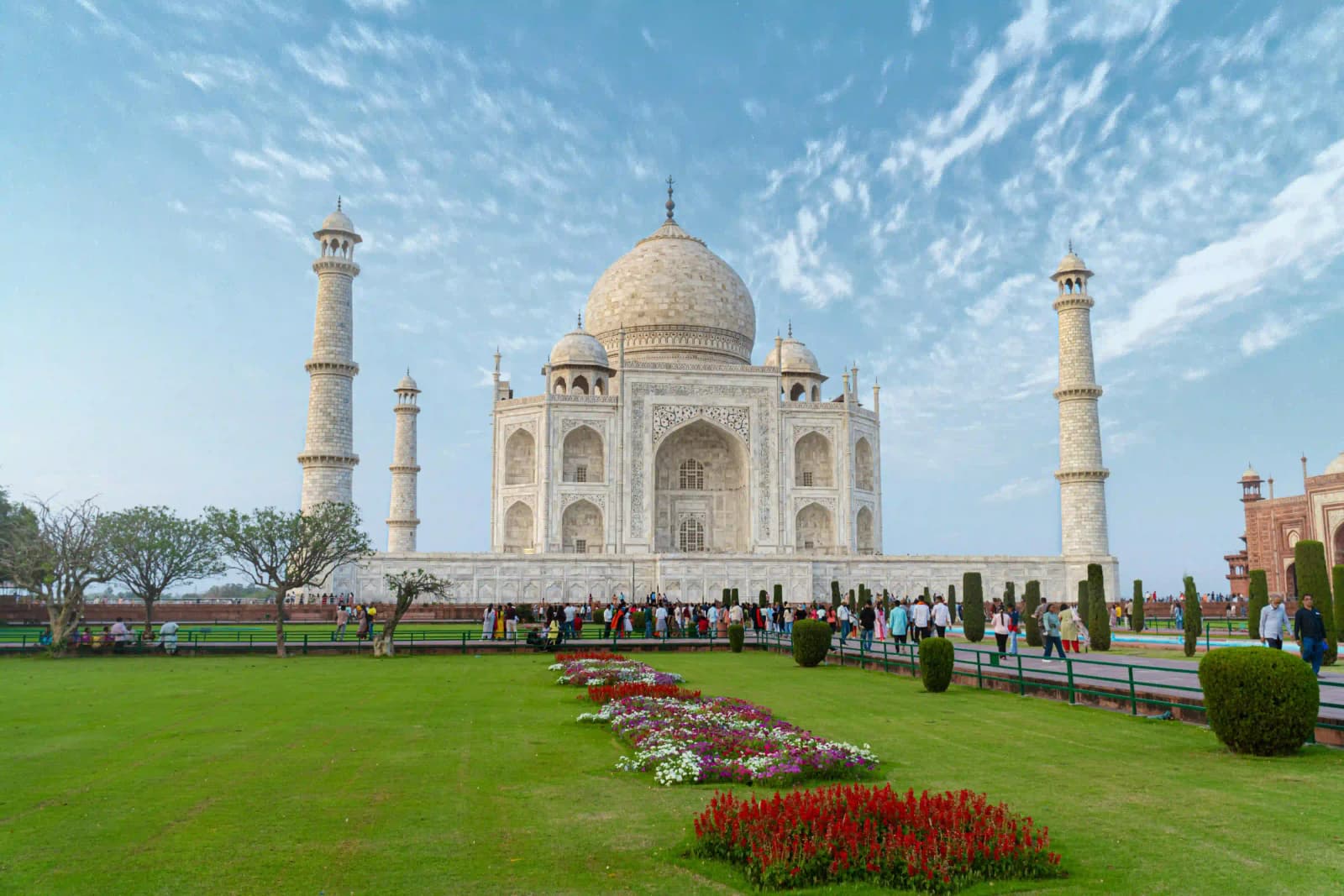
One of the biggest reasons travelers choose the winter season is comfort. Walking through the large marble complex, admiring intricate carvings, and spending hours taking photographs becomes much easier when temperatures are moderate. The gardens surrounding the monument appear greener after the monsoon, creating a beautiful contrast against the white marble. Early morning sunlight gently reflects off the monument, producing stunning shades of pink, gold, and white that photographers dream of capturing. If your goal is to visit the Taj Mahal in its most picturesque setting, winter offers the perfect opportunity.
Another important factor is visibility. During the cooler months, especially from November to February, the atmosphere is usually cleaner than during peak summer. Although occasional morning fog can occur in December and January, it generally clears after sunrise, revealing spectacular views of the monument. Visitors who arrive early are often rewarded with peaceful surroundings, cooler temperatures, and softer natural light. These conditions make winter the preferred season for travelers who want both comfort and excellent photography opportunities.
The summer season, from April to June, presents a completely different experience. Temperatures frequently climb above 40°C, and the intense afternoon heat can make sightseeing physically demanding. Walking across the marble pathways becomes uncomfortable, and prolonged exposure to the sun can quickly lead to fatigue or dehydration. Despite these challenges, summer also has some advantages. Hotels often offer discounted rates, fewer tourists are present, and entry lines are generally shorter. Budget-conscious travelers who do not mind the heat may still enjoy their trip by visiting the monument immediately after it opens at sunrise and returning indoors before midday.
If you choose to travel during summer, preparation is essential. Wear lightweight cotton clothing, carry a reusable water bottle, apply sunscreen regularly, and use a hat or umbrella for shade. Comfortable footwear is equally important because the complex requires a fair amount of walking. Planning indoor attractions during the hottest part of the day and exploring outdoor sites only during the early morning or evening can help you make the most of your visit.
The monsoon season, lasting from July through September, transforms Agra into a greener and more refreshing destination. Rain showers cool the city, and the gardens surrounding the Taj Mahal become lush and vibrant. Dramatic clouds often create spectacular backgrounds for photographs, giving the monument a unique appearance that differs from the bright blue skies of winter. Many travelers appreciate the peaceful atmosphere because visitor numbers are lower than during peak tourist season.
Rain, however, can occasionally interrupt sightseeing plans. Sudden showers may require visitors to wait indoors or adjust their itinerary. Humidity levels also increase, making some days feel warmer than the actual temperature suggests. Nevertheless, if you enjoy photography and quieter travel experiences, the monsoon season can be surprisingly rewarding. Flexible travel plans allow you to take advantage of clear periods between rainfall, when the monument looks exceptionally beautiful against freshly washed skies.
The best month to visit the Taj Mahal depends on what kind of experience you want. October is an excellent choice because the weather begins to cool after the monsoon, and the gardens remain lush and colorful. November offers pleasant temperatures with fewer chances of rain, making it one of the most comfortable months for sightseeing. December and January are popular due to cool weather, although occasional morning fog may slightly delay clear views. February combines comfortable temperatures with blooming gardens, creating one of the year's most attractive landscapes. March remains enjoyable before summer temperatures begin to rise, making it another excellent month for travelers seeking pleasant weather.
The time of day you visit can be just as important as the season. Sunrise is widely regarded as the most magical time to experience the Taj Mahal. As the first rays of sunlight touch the white marble, the monument gradually changes color from soft pink to brilliant white. The peaceful atmosphere, cooler temperatures, and smaller crowds create an unforgettable experience. Professional photographers and experienced travelers consistently recommend arriving before the gates open to enjoy this remarkable transformation.
Late afternoon is another wonderful time to explore the monument. The warm golden light before sunset creates beautiful reflections across the marble surface and the long water channels in the gardens. Although crowds may be larger than at sunrise, the lighting conditions remain excellent for photography. Visitors can comfortably explore the complex while enjoying cooler temperatures compared to midday.
The Taj Mahal also offers a rare night viewing experience on selected nights around the full moon. Seeing the white marble illuminated by moonlight creates a peaceful and unforgettable atmosphere unlike any daytime visit. Because tickets are limited and advance booking is usually required, travelers interested in this experience should plan well ahead. Moonlight highlights the monument's delicate marble details, creating a romantic setting that many visitors describe as once-in-a-lifetime.
Planning ahead makes every trip smoother. Purchasing tickets online can reduce waiting time and simplify entry. Carrying a valid photo identification, arriving early, and checking the monument's opening hours before traveling can help avoid unnecessary delays. Since security regulations limit the items visitors may carry inside, packing only essential belongings is recommended. Comfortable walking shoes, sunglasses, sunscreen, and drinking water contribute to a much more enjoyable experience.
Photography enthusiasts should pay close attention to lighting conditions. Early morning and late afternoon provide the softest natural light, allowing the marble to display its changing colors beautifully. Popular viewpoints include the main entrance gate, the central reflecting pool, and Mehtab Bagh across the Yamuna River, which offers panoramic views of the monument. Taking time to explore different angles reveals architectural details that many visitors overlook.
Travelers visiting Agra should also consider exploring nearby attractions. Agra Fort showcases magnificent Mughal architecture and offers historical insight into the empire that built the Taj Mahal. Mehtab Bagh provides a peaceful riverside setting with outstanding sunset views, while Fatehpur Sikri, located a short drive away, displays another remarkable example of Mughal craftsmanship. Combining these attractions with your itinerary creates a richer understanding of India's architectural and cultural heritage.
Choosing the right day can also improve your experience. Weekdays generally attract fewer domestic visitors than weekends or public holidays, allowing for a more relaxed atmosphere. Arriving shortly after sunrise on a weekday often provides the quietest conditions of the entire week. If possible, avoid visiting during major festivals and long holiday weekends when crowds increase significantly.
The answer to what is the best time to visit the Taj Mahal ultimately depends on your priorities, but for most travelers, the months between October and March provide the ideal combination of comfortable weather, clear views, and enjoyable sightseeing conditions. Sunrise remains the finest time of day to appreciate the monument's extraordinary beauty, while winter offers the most pleasant climate for exploring Agra's many attractions. Whether you are planning your first journey or returning for another visit, thoughtful planning will ensure that your experience is every bit as unforgettable as the monument itself. If you dream of seeing one of the world's greatest architectural masterpieces, there has never been a better reason to visit the Taj Mahal and witness its timeless beauty with your own eyes.