
What Is the Best Time to Visit the Taj Mahal and Jaipur?
What Is the Best Time to Visit the Taj Mahal and Jaipur?
India is a country of remarkable diversity, where every season brings a unique charm to its landscapes, festivals, and historical monuments. Among its countless travel destinations, the Taj Mahal in Agra and the royal city of Jaipur remain two of the most visited attractions for both domestic and international travelers. Together, they form an essential part of the famous Golden Triangle route, attracting millions of tourists each year. Whether you are planning your first trip to India or returning to explore its cultural treasures, knowing the best time to visit these iconic destinations can significantly enhance your travel experience.
Choosing the right season affects everything from sightseeing comfort and photography opportunities to accommodation prices and crowd levels. While the Taj Mahal is breathtaking throughout the year, its appearance changes beautifully with the seasons, offering visitors different experiences depending on when they arrive. Similarly, Jaipur's majestic forts, colorful bazaars, and grand palaces become even more enjoyable when explored in pleasant weather. Understanding seasonal variations allows travelers to make informed decisions and enjoy a smoother, more memorable journey.
If you are planning a trip covering both destinations, this guide explains the ideal months to visit, seasonal advantages and disadvantages, travel tips, weather conditions, festival highlights, and practical advice for making the most of your Taj Mahal and Jaipur adventure
Why Timing Matters for Your Trip
Many travelers focus only on choosing hotels and transportation while forgetting that weather plays an equally important role. Long hours of sightseeing under the hot summer sun can become exhausting, especially when exploring outdoor monuments like the Taj Mahal or climbing the magnificent forts of Jaipur.
A well-planned itinerary during pleasant weather allows visitors to spend more time exploring attractions comfortably. Cooler temperatures make walking enjoyable, photography becomes easier thanks to clear skies, and local markets remain lively throughout the day. Choosing the right season also gives travelers opportunities to witness cultural festivals, traditional performances, and local celebrations that make the journey even more rewarding.
Planning your Taj Mahal and Jaipur itinerary according to the season ensures that every destination can be experienced at its absolute best.
Winter (October to March): The Best Season to Visit
Without question, winter is considered the best time to visit both the Taj Mahal and Jaipur. During these months, daytime temperatures usually range between 10°C and 28°C, creating ideal conditions for sightseeing.
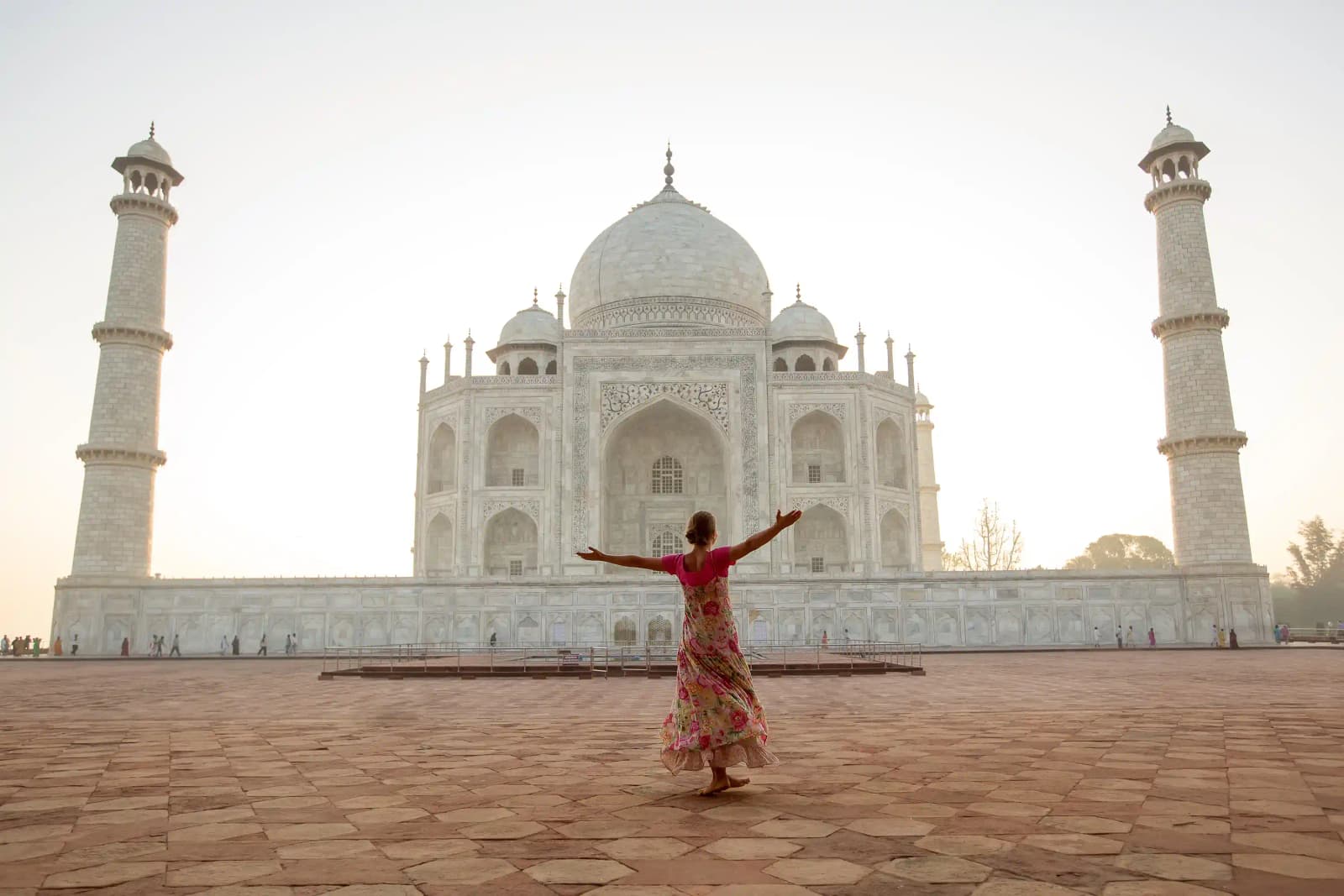
The Taj Mahal looks especially magical during winter mornings when the soft sunlight reflects off its white marble surface. Sunrise photography becomes spectacular as the monument gradually changes colors from pale pink to bright white. Although occasional morning fog may delay clear views in December and January, the atmosphere remains incredibly beautiful.
Jaipur also becomes much more comfortable during winter. Visitors can spend entire days exploring Amber Fort, City Palace, Hawa Mahal, Jantar Mantar, and local bazaars without worrying about extreme heat. Outdoor cafés, rooftop restaurants, and evening cultural performances become even more enjoyable during the cooler evenings.
Because this is the peak tourist season, hotels and flights often sell out quickly. Booking accommodations and monument tickets well in advance is highly recommended.
Summer (April to June): For Budget-Conscious Travelers
Summer in North India brings extremely high temperatures, often exceeding 40°C during afternoons. While many travelers avoid visiting during these months, summer does offer certain advantages.
Hotels frequently reduce their room rates, making luxury accommodations much more affordable. Tourist attractions are generally less crowded, allowing visitors to explore monuments without waiting in long queues. Early morning visits to the Taj Mahal remain pleasant before temperatures begin rising.
If traveling during summer, plan sightseeing between sunrise and late morning. Return to your hotel during the hottest part of the day and continue exploring during the evening. Wearing lightweight cotton clothing, carrying water, applying sunscreen, and using hats or umbrellas become essential for a comfortable experience.
Although challenging, a carefully planned Taj Mahal and Jaipur journey during summer can still be enjoyable with proper preparation.
Monsoon (July to September): A Different Perspective
The arrival of the monsoon transforms North India into a greener and more refreshing landscape. Rain showers reduce temperatures and create dramatic skies that photographers often appreciate.
The Taj Mahal appears particularly beautiful against dark monsoon clouds, producing unique photographs rarely seen during other seasons. Jaipur's gardens, lakes, and surrounding hills also become greener, enhancing the city's natural beauty.
Travelers should remain flexible because occasional rainfall may interrupt outdoor sightseeing. Waterproof footwear, umbrellas, and lightweight rain jackets are useful additions to your luggage during this season.
The monsoon months also attract fewer tourists, allowing visitors to enjoy a quieter travel experience while benefiting from lower hotel prices.
The Best Month for Visiting the Taj Mahal
Although the Taj Mahal remains open throughout the year except Fridays, November through February is generally regarded as the ideal period.
During these months, cooler temperatures make walking around the extensive gardens much more comfortable. The monument appears especially magnificent during sunrise when soft golden light illuminates the white marble.
Visitors should arrive early to avoid crowds, especially during weekends and public holidays. Purchasing tickets online before arrival helps save time and ensures smooth entry.
Many photographers consider February one of the finest months because mornings are usually clear, flowers begin blooming, and visibility remains excellent.
The Best Month for Visiting Jaipur
Jaipur experiences its most pleasant weather between October and March. These months allow visitors to comfortably explore outdoor attractions such as Amber Fort, Nahargarh Fort, Jaigarh Fort, Jal Mahal, and City Palace.
January hosts the famous Jaipur Literature Festival, attracting writers, artists, and visitors from around the world. During this period, the city becomes even more vibrant with cultural performances, exhibitions, and literary discussions.
March introduces colorful Holi celebrations, while October and November often coincide with Diwali festivities, making the city exceptionally lively.
Exploring Taj Mahal and Jaipur during the winter festival season adds a memorable cultural dimension to your journey.
Festivals That Enhance Your Journey
India's festivals offer travelers unique opportunities to experience local traditions beyond sightseeing.
Diwali, celebrated between October and November, illuminates cities with decorative lights, fireworks, and festive markets. Jaipur becomes especially spectacular as streets and buildings sparkle throughout the city.
Holi, usually celebrated in March, transforms neighborhoods into vibrant displays of color and celebration.
The Jaipur Literature Festival, held every January, attracts internationally recognized authors and intellectuals, creating one of the world's largest literary gatherings.
Planning your vacation around these events provides unforgettable cultural experiences while visiting the Taj Mahal and Jaipur.
Travel Tips for Every Season
Regardless of when you visit, several practical tips can improve your journey.
Start sightseeing early in the morning to avoid crowds and enjoy cooler temperatures. Wear comfortable walking shoes because exploring forts and monuments often requires significant walking. Carry reusable water bottles to stay hydrated throughout the day.
Dress modestly when visiting religious sites and always respect local customs. Keep digital and printed copies of your identification documents. Booking hotels, transportation, and monument tickets in advance becomes especially important during peak tourist months.
Photography enthusiasts should carry extra camera batteries because you'll likely spend hours capturing India's remarkable architecture.
Suggested Itinerary
A well-balanced itinerary allows travelers to experience both destinations comfortably.
Spend two days exploring Delhi before driving to Agra. Visit the Taj Mahal at sunrise, followed by Agra Fort and Mehtab Bagh. Continue toward Jaipur via Fatehpur Sikri before spending two days exploring Rajasthan's royal capital.
This itinerary provides sufficient time for sightseeing, shopping, photography, and enjoying regional cuisine without feeling rushed.
Local Cuisine Worth Trying
No journey through North India is complete without experiencing its diverse culinary traditions.
In Agra, sample the city's famous Petha, Mughlai curries, and Bedai with Aloo Sabzi.
Jaipur offers delicious Dal Baati Churma, Laal Maas, Ghewar, Mirchi Vada, and Pyaz Kachori.
Trying local dishes allows travelers to understand regional culture while adding another memorable element to their trip.
Why Travelers Love This Combination
Combining the Taj Mahal with Jaipur creates one of India's most rewarding travel experiences. The elegance of Mughal architecture perfectly complements Rajasthan's royal heritage, offering visitors remarkable contrasts in history, design, and culture.
Whether you're admiring the marble beauty of the Taj Mahal, exploring Jaipur's magnificent forts, shopping in colorful bazaars, or enjoying traditional cuisine, every day introduces something new and unforgettable.
A carefully planned Taj Mahal and Jaipur itinerary offers an ideal blend of history, architecture, culture, photography, shopping, and authentic Indian hospitality.
Conclusion
The best time to visit the Taj Mahal and Jaipur is undoubtedly between October and March, when pleasant weather makes sightseeing comfortable and enjoyable. Winter provides excellent conditions for exploring monuments, capturing beautiful photographs, attending cultural festivals, and experiencing local traditions. While summer offers lower prices and fewer crowds, and the monsoon presents lush scenery and dramatic landscapes, the cooler months remain the preferred choice for most travelers. By planning your itinerary carefully, booking accommodations early, and allowing enough time to experience both destinations, your Taj Mahal and Jaipur journey will become an unforgettable exploration of India's rich cultural heritage.
Frequently Asked Questions
1. What is the best month to visit the Taj Mahal?
November through February offers the most comfortable weather and excellent photography conditions.
2. Is Jaipur too hot during summer?
Yes. Temperatures often exceed 40°C, so early morning and evening sightseeing is recommended.
3. Can I visit both destinations in one trip?
Absolutely. Most travelers combine the Taj Mahal and Jaipur as part of the famous Golden Triangle itinerary.
4. Are winters crowded?
Yes. October to March is the peak tourist season, so advance bookings are highly recommended.
5. Is the monsoon a good time to travel?
Yes, if you don't mind occasional rain. You'll enjoy fewer crowds, greener landscapes, and attractive hotel discounts.