
Which India Tour Is Best for First-Time Visitors?
Which India Tour Is Best for First-Time Visitors?
Which India Tour Is Best for First-Time Visitors?
Choosing your first trip to India can feel like trying to choose a single book from an enormous library. The country offers centuries-old forts, magnificent palaces, bustling markets, peaceful temples, Himalayan landscapes, tropical beaches, wildlife reserves and an extraordinary variety of regional cuisines. Trying to squeeze all of that into one holiday, however, can turn an exciting adventure into a tiring race between destinations. For most first-time travelers, the smartest approach is to choose a focused route that introduces you to India’s history, culture, food and everyday life without spending every day packing and unpacking. For that reason, the Golden Triangle of Delhi, Agra and Jaipur is widely regarded as one of the most rewarding starting points. It gives visitors a manageable introduction to three very different cities while connecting some of northern India’s most celebrated landmarks.
Why the Golden Triangle Is Ideal for First-Time Visitors
The Golden Triangle works so well because the three cities complement one another rather than feeling like repetitions of the same experience. Delhi introduces you to the scale and energy of modern India while revealing layers of Mughal, British and ancient history. Agra provides an opportunity to see the Taj Mahal and explore the Mughal legacy at Agra Fort, while Jaipur adds colorful bazaars, Rajput architecture, hilltop forts and the distinctive atmosphere of Rajasthan. The relatively short distances between these destinations also make the route practical for travelers who do not want to spend their holiday on long internal flights. Instead, you can move between cities by road or train and watch the scenery change along the way, which becomes part of the experience itself.
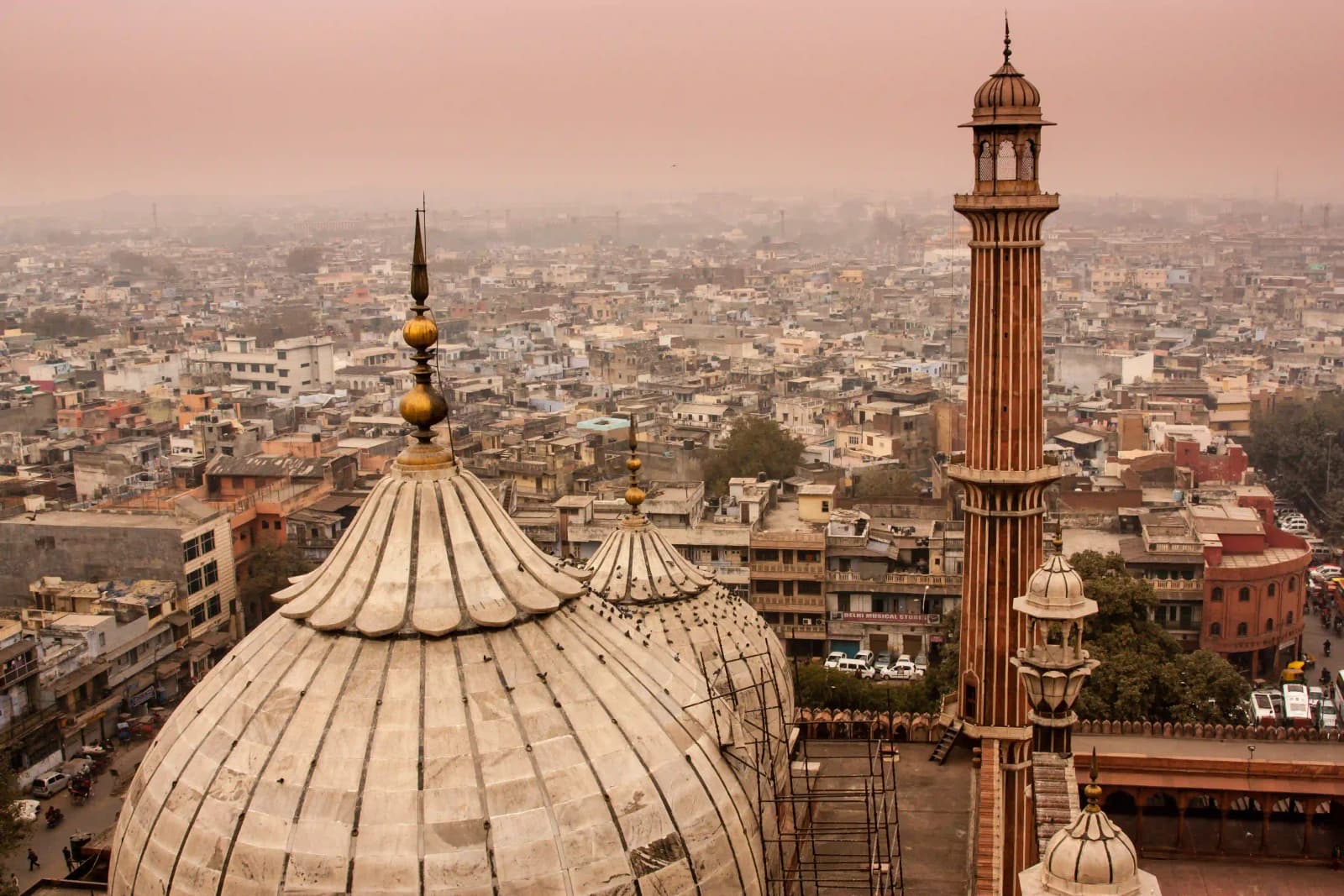
Delhi is an excellent starting point because it provides context for what comes later. Old Delhi can feel wonderfully chaotic, with narrow lanes, food stalls, historic mosques and busy markets, while areas such as New Delhi present broad avenues, government buildings and monumental architecture. Depending on your interests, you can visit attractions such as the Red Fort, Humayun’s Tomb, India Gate, Qutub Minar and Jama Masjid. What makes Delhi particularly interesting is the contrast between old and new. One moment you may be walking beside a centuries-old monument, and the next you are surrounded by modern cafés, shopping districts and contemporary businesses. That contrast is not something to avoid; it is one of the clearest ways to understand the rhythm of present-day India.
Agra: The Essential Stop for a First India Trip
For many international travelers, Agra is synonymous with the Taj Mahal, and seeing this famous monument in person can be one of the emotional highlights of a first visit. Photographs rarely communicate the full effect of approaching the monument and seeing its white marble architecture change appearance as the light shifts throughout the day. The Taj Mahal is also more than a beautiful building; it is a monument connected to the Mughal period and the story of Emperor Shah Jahan and Mumtaz Mahal. A visit becomes much more meaningful when you take some time to understand the history behind the architecture rather than simply arriving, taking photographs and leaving.
Agra deserves more attention than a quick Taj Mahal stop, though. Agra Fort offers another fascinating look into Mughal history, with enormous defensive walls, ornate interiors and views toward the Taj Mahal. Nearby attractions such as Itmad-ud-Daulah’s Tomb can also add depth to your understanding of the architectural traditions that developed in the region. Travelers with additional time may explore Mehtab Bagh or visit local handicraft areas. Spending at least one night in Agra can make the experience considerably more relaxed because you do not have to treat the city as nothing more than a stop between Delhi and Jaipur.
Jaipur: Where Rajasthan Comes Alive
After Delhi and Agra, Jaipur introduces a completely different personality. Known as the Pink City, Jaipur is famous for its distinctive architecture, colorful markets, traditional crafts and impressive Rajput heritage. The city’s major attractions include Amber Fort, City Palace, Hawa Mahal and Jantar Mantar, each offering a different perspective on Jaipur’s history. Amber Fort is particularly memorable because of its location among the hills and its combination of defensive architecture and elaborate royal interiors. Walking through its courtyards and halls gives visitors a sense of the power and sophistication of Rajasthan’s former royal families.
Jaipur is also a wonderful city for travelers who want to experience shopping and food alongside sightseeing. Local markets are filled with textiles, jewelry, handicrafts, pottery and traditional decorative items. Rajasthan’s cuisine has its own character, with dishes such as dal baati churma and a variety of spiced vegetarian preparations offering something different from the food commonly associated with other parts of India. You do not need to become an expert in Indian cuisine before arriving. Simply being willing to try regional dishes and asking restaurant staff about ingredients can turn meals into one of the most enjoyable parts of your trip.
How Many Days Do You Need for Your First India Tour?
The ideal length depends on how deeply you want to explore each destination, but seven to ten days is a practical range for a first visit centered on the Golden Triangle. Seven days can work if you prefer a fast-paced holiday and focus on the major sights. Ten days gives you considerably more breathing room and allows you to spend meaningful time in each city rather than treating every destination as a checklist. If you have two weeks, you can expand the trip beyond the Golden Triangle and add a destination such as Udaipur, Varanasi, Ranthambore or even a southern Indian city. The important principle is to resist the temptation to add too many locations simply because they look attractive on a map.
A comfortable seven-day itinerary could begin with two nights in Delhi, followed by one or two nights in Agra and two or three nights in Jaipur. This arrangement provides enough time for the principal landmarks while leaving some flexibility for traffic, weather, shopping or spontaneous discoveries. A ten-day schedule could slow the pace further and include experiences such as a cooking class, heritage walk, local market visit or day trip. These activities matter because the most memorable travel experiences are not always the famous monuments. Sometimes a conversation with a local guide, an unexpected street-food discovery or an evening watching the city come alive can stay with you longer than another attraction.
Should You Add Varanasi to Your First Trip?
Varanasi is one of the most fascinating additions for travelers interested in spirituality, religion and Indian culture. Situated on the banks of the Ganges, the city is known for its ghats, temples and evening Ganga Aarti ceremonies. The atmosphere can be intense and unfamiliar, especially for someone visiting India for the first time, but that is also part of its appeal. Sunrise boat rides along the river offer a different perspective of the city, while walking through the old lanes reveals a side of India that is very different from the grand palaces and forts of the Golden Triangle.
There is, however, a good reason not to automatically add Varanasi to a short first trip. It changes the character of the itinerary and requires additional travel time. If you have only five or six days, trying to combine Delhi, Agra, Jaipur and Varanasi may leave you exhausted. With ten to fourteen days available, however, Varanasi can be a memorable extension for travelers who want a more culturally immersive experience. The best itinerary is not necessarily the one containing the largest number of destinations; it is the one that gives you enough time to appreciate the places you actually visit.
North India or South India: Which Is Better?
For a first visit, North India is often the easiest choice if your priority is iconic architecture and historic sightseeing. The Golden Triangle offers an especially strong introduction because the route combines Mughal monuments, Rajput forts, bustling urban centers and traditional markets. Rajasthan can then be extended with destinations such as Jodhpur and Udaipur if you have additional time. This makes northern India particularly attractive to travelers whose dream trip involves palaces, forts, heritage hotels and historic cities.
South India, meanwhile, offers a different kind of journey. Kerala is known for its lush landscapes and backwaters, Goa combines beaches with a distinctive cultural history, and Tamil Nadu is famous for its monumental temples and Dravidian architecture. Cities such as Kochi, Chennai and Mysuru can also provide fascinating cultural experiences. There is no universal answer about which region is “better.” If your first-trip priorities are the Taj Mahal and Rajasthan’s forts, choose the north; if you prefer tropical scenery, beaches, slower travel and temple architecture, southern India may be the better fit.
The Best Time to Visit India
Timing can make a major difference to your comfort. India has a highly varied climate, so conditions are not identical everywhere or throughout the year. For the classic Delhi–Agra–Jaipur route, many travelers prefer the cooler months, particularly from roughly October through March, although temperatures and conditions vary by destination and month. Winter mornings in northern India can sometimes be cool or foggy, while daytime sightseeing is generally more comfortable than during the hottest part of the year.
The summer months can be extremely hot in parts of northern India, making long sightseeing days challenging. The monsoon season brings substantial rainfall to many regions, although it can also transform landscapes into vibrant green scenery and offers a very different travel atmosphere. Rather than asking only, “When is the best month to visit India?”, consider what you want to do and where you want to go. The best season for Rajasthan is not necessarily identical to the best season for Kerala or the Himalayas.
How to Travel Around India Comfortably
Transportation is one of the areas where a little planning can dramatically improve your first experience. India has an extensive railway network, and trains can be an excellent way to travel between major cities. For some travelers, a private car with a professional driver can be even more convenient on a Golden Triangle itinerary because it provides flexibility and avoids the stress of navigating unfamiliar stations. Domestic flights become useful when you are connecting distant regions, such as Delhi and Kerala, rather than traveling between nearby destinations.
It is also sensible to avoid scheduling every minute of every day. Indian cities can be unpredictable, and traffic can sometimes turn a seemingly short journey into a much longer one. Give yourself buffers between major activities, particularly when you have a flight or train to catch. Think of your itinerary as a framework rather than a military timetable. That small change in mindset can make your holiday feel much more enjoyable.
What Should First-Time Visitors Know Before Going?
The easiest way to have a better trip is to arrive with realistic expectations. India can be stimulating, noisy, crowded and occasionally inconvenient, particularly in major cities. At the same time, it can be incredibly welcoming, colorful and rewarding. Rather than comparing every experience with what you are accustomed to at home, approach the country with curiosity. Keep an open mind about food, customs, clothing and social interactions, while also respecting your own comfort boundaries.
Food deserves particular attention because it is one of India's great pleasures. Trying regional specialties is part of understanding the country, but first-time visitors may want to introduce unfamiliar foods gradually. Choose reputable restaurants and busy establishments, drink safe water and take sensible precautions with street food, especially during the first few days. Once your body adjusts and you learn what works for you, culinary exploration can become one of the highlights of the trip.
It is equally important to dress respectfully when visiting religious or traditional places. Requirements vary, but modest clothing is generally a sensible choice, particularly around temples, mosques and other religious sites. Carry comfortable walking shoes because sightseeing often involves substantial walking, and keep essentials such as sunscreen, medication and a reusable water bottle accessible. A little preparation goes a long way toward making the experience smoother.
Is a Guided Tour Better for First-Time Visitors?
A guided trip can be especially valuable if you are visiting India for the first time and feel uncertain about logistics. A knowledgeable local guide can explain historical details that you might otherwise miss, help you navigate busy areas and provide cultural context for customs and traditions. Private tours can also offer greater flexibility, allowing you to adjust sightseeing around your interests and energy levels. For travelers who enjoy independent exploration, a hybrid approach can work well: arrange transportation and guides for complicated sections while keeping some days free for independent discovery.
The key is to choose a travel style that matches your personality. If planning transportation, hotels and sightseeing feels exciting, an independent itinerary can be extremely rewarding. If the logistics sound stressful, there is nothing wrong with letting professionals handle the complicated parts. Your holiday should feel like an adventure, not an administrative project. For many first-time visitors, combining structured sightseeing with free time provides the best balance.
Choosing the Right India Tour for You
So, which India Tour is best for a first-time visitor? For most people, a well-paced Golden Triangle journey through Delhi, Agra and Jaipur is the strongest starting point. It offers major landmarks, diverse cultural experiences, excellent photography opportunities and a manageable route without requiring you to cross the entire country. Travelers with more time can customize the route by adding Ranthambore for wildlife, Udaipur for lakes and palaces, or Varanasi for a deeper spiritual experience. The trick is to build around your interests rather than trying to follow somebody else's perfect itinerary.
A good first trip should leave you curious about returning, not exhausted from trying to see everything. Give yourself enough time to enjoy breakfast slowly, wander through a market, stop for chai or simply watch everyday life unfold. Those unplanned moments are often where the real character of a destination appears. Your India Tour should therefore combine famous landmarks with breathing room, allowing the journey itself to become part of the story.
Conclusion
The best India Tour for first-time visitors is usually the Golden Triangle, especially when the itinerary is designed at a comfortable pace. Delhi provides a fascinating introduction to India's history and modern life, Agra delivers the unforgettable Taj Mahal and Mughal heritage, and Jaipur adds the colorful architecture and royal traditions of Rajasthan. With seven to ten days, you can experience the highlights without turning your holiday into a constant rush, while a two-week itinerary gives you the freedom to explore beyond the traditional route.
India rewards travelers who arrive with curiosity and flexibility. You do not need to understand everything before you arrive; you simply need to be prepared to experience something different. Choose a route that matches your interests, allow extra time for unexpected delays, and leave some space for spontaneous discoveries. Done well, your first India Tour will not feel like a checklist of attractions—it will feel like the beginning of a much longer relationship with one of the world's most diverse travel destinations.
FAQs
1. What is the best India tour for first-time visitors?
The Golden Triangle covering Delhi, Agra and Jaipur is one of the best choices for a first visit. It combines major historical attractions, cultural experiences, shopping, food and iconic architecture within a relatively manageable route.
2. How many days are enough for a first trip to India?
Seven to ten days is a practical length for a first-time Golden Triangle trip. If you have 12–14 days, you can comfortably add another destination such as Varanasi, Udaipur or Ranthambore.
3. Is India suitable for first-time international travelers?
Yes. India welcomes travelers from around the world, but first-time visitors should prepare for busy cities, different food habits, varied infrastructure and cultural differences. Good planning and realistic expectations can make the experience considerably easier.
4. Which is better for a first trip: Delhi, Agra and Jaipur or Kerala?
It depends on your interests. Delhi, Agra and Jaipur are better for historic monuments, forts, palaces and classic northern Indian experiences, while Kerala is ideal for travelers who prefer tropical scenery, backwaters, wellness and a slower pace.
5. What is the best season for a Golden Triangle trip?
The cooler period from approximately October to March is generally popular for Delhi, Agra and Jaipur. Exact conditions vary by month, so travelers should check current weather forecasts when planning their specific dates.